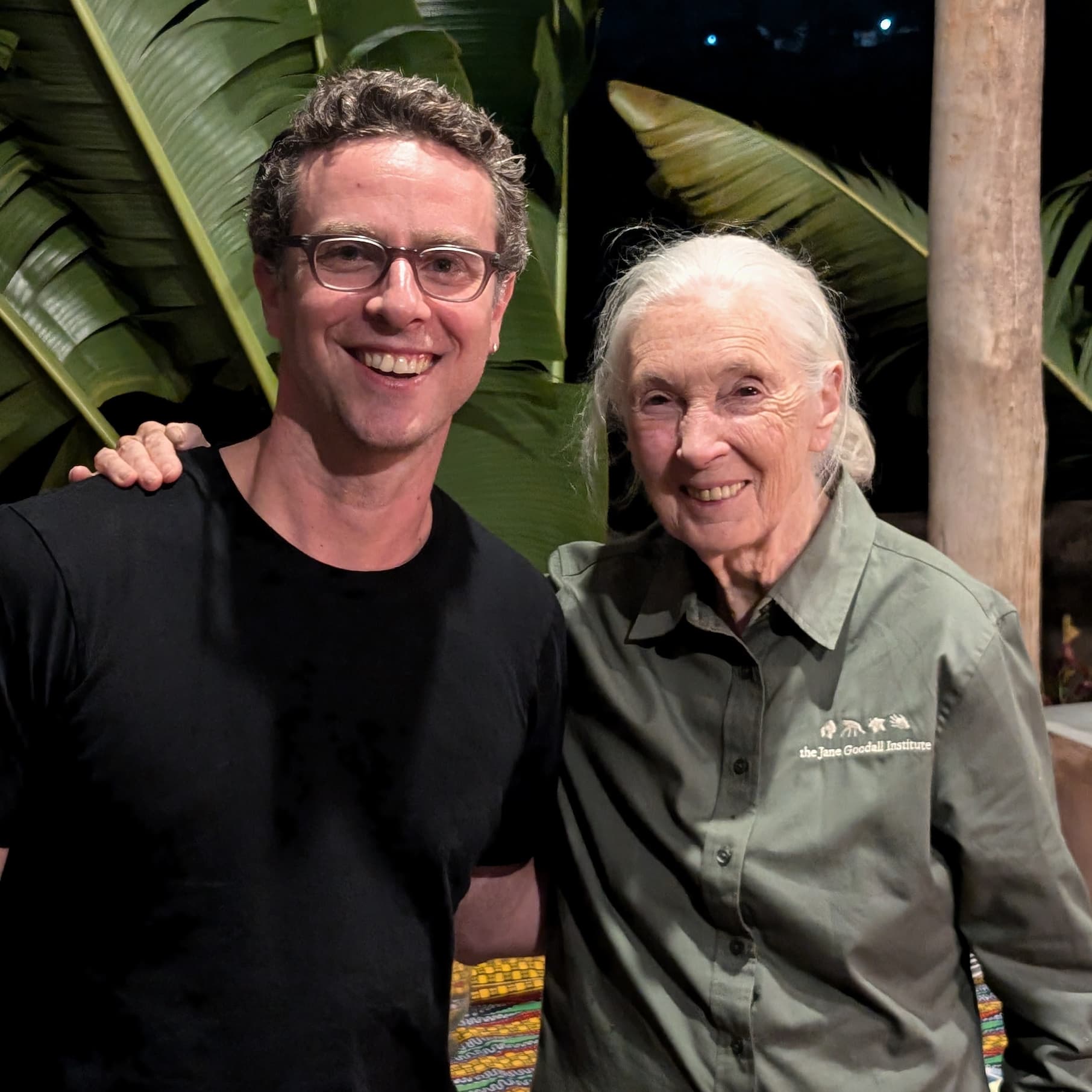
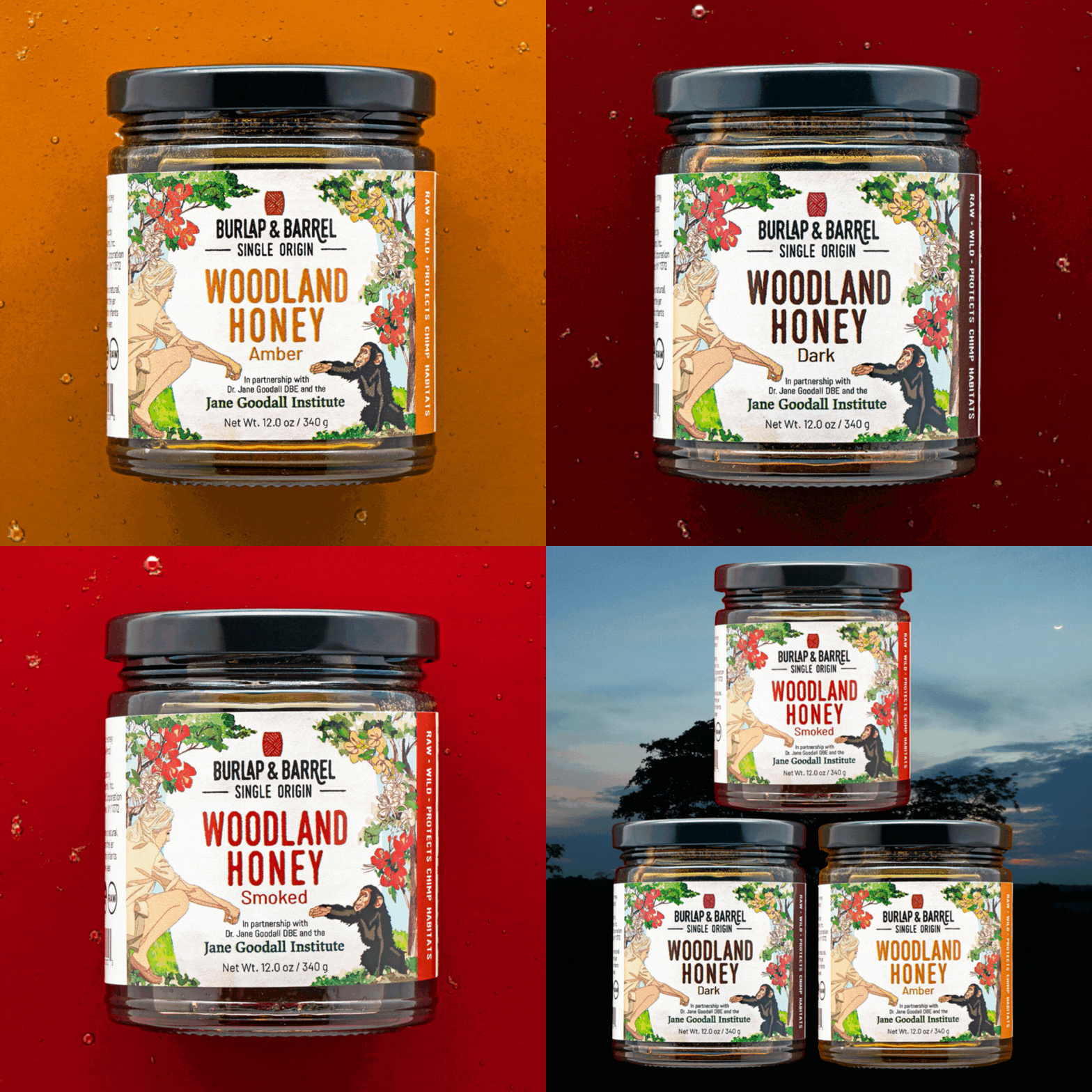
In This Newsletter: Ethan’s Reflections on World Chimpanzee Day and Jane Goodall Institute's Woodland Honey Project | | July 14th is World Chimpanzee Day, and tomorrow will mark 65 years since Dr. Jane Goodall arrived in Tanzania at age 26 to begin the research that would change humanity's understanding of ourselves forever. She founded the Jane Goodall Institute (JGI) in 1977 to mobilize the collective power of honoring our connectedness to each other. | | Today, JGI continues to improve the lives of people, animals and the environment through various community-centered conservation efforts. Among them is our wild Woodland Honey project, a conservation effort that combines education, advocacy and appreciation. When I met Jane last summer, we shared a meal overlooking Lake Tanganyika. She had just turned 90, traveling 300 days a year, speaking out for environmental protection at concerts and conferences all over the world. | | “This honey is from Miombo Woodlands, which are rich in biodiversity,” Jane explains. “The bees can gather nectar and pollen from over 30 different species of flowering trees, shrubs and grasses. And this gives their honey really unique flavors. This honey isn’t just delicious. It’s also helping change the lives of the local people, because harvesting and selling the honey provides an extra source of income for local people and their families, better education for their children.”
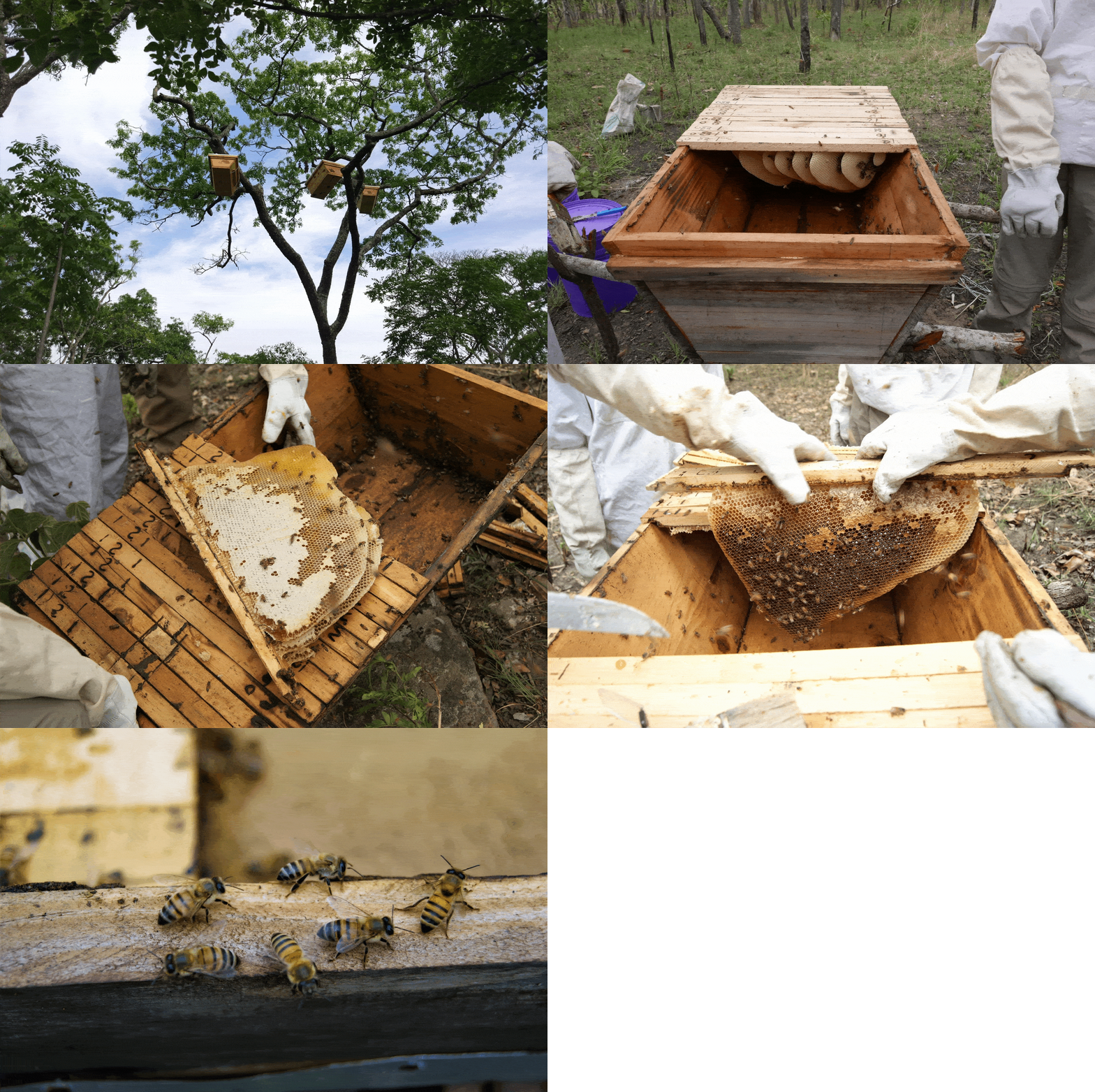
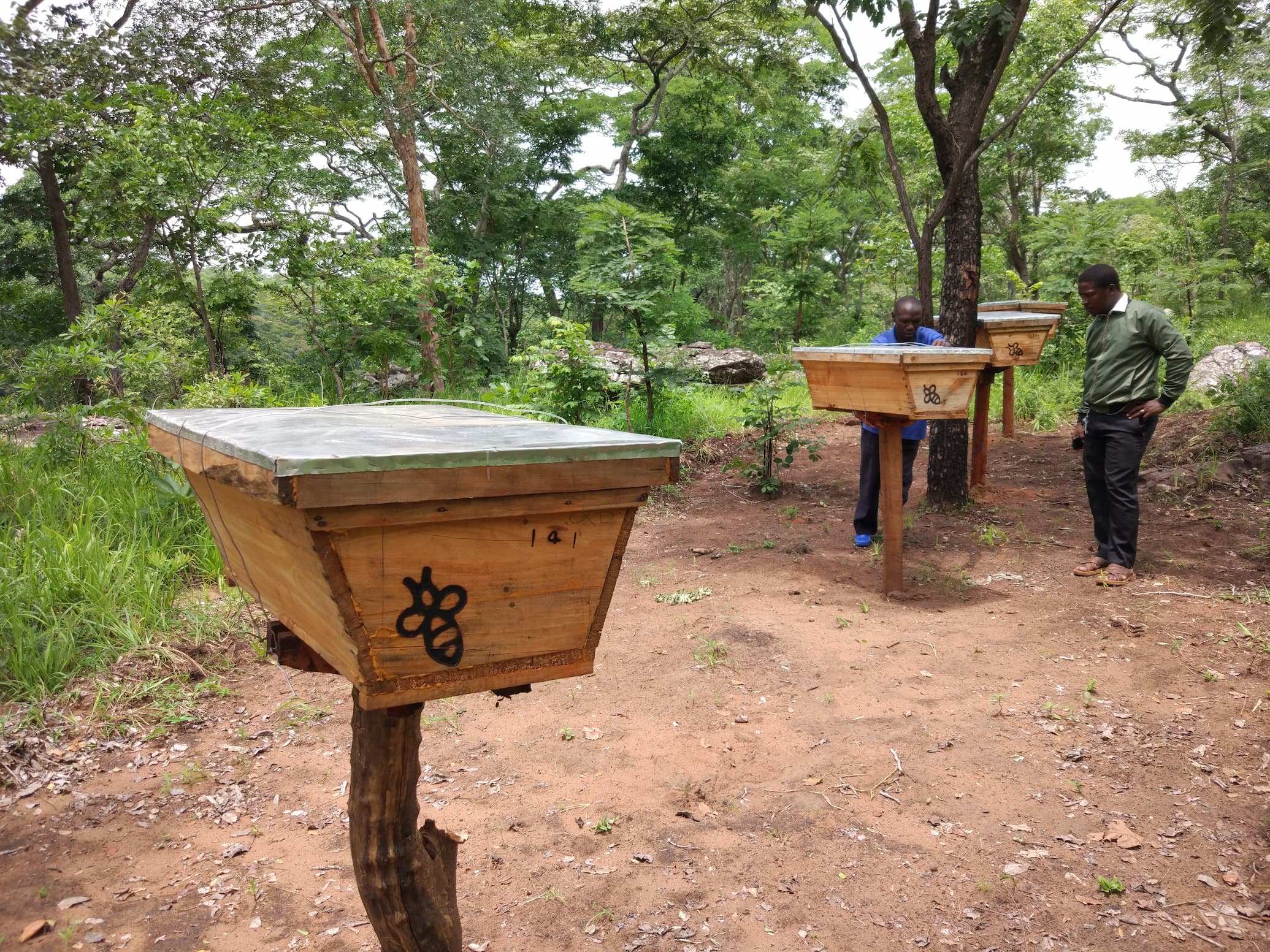
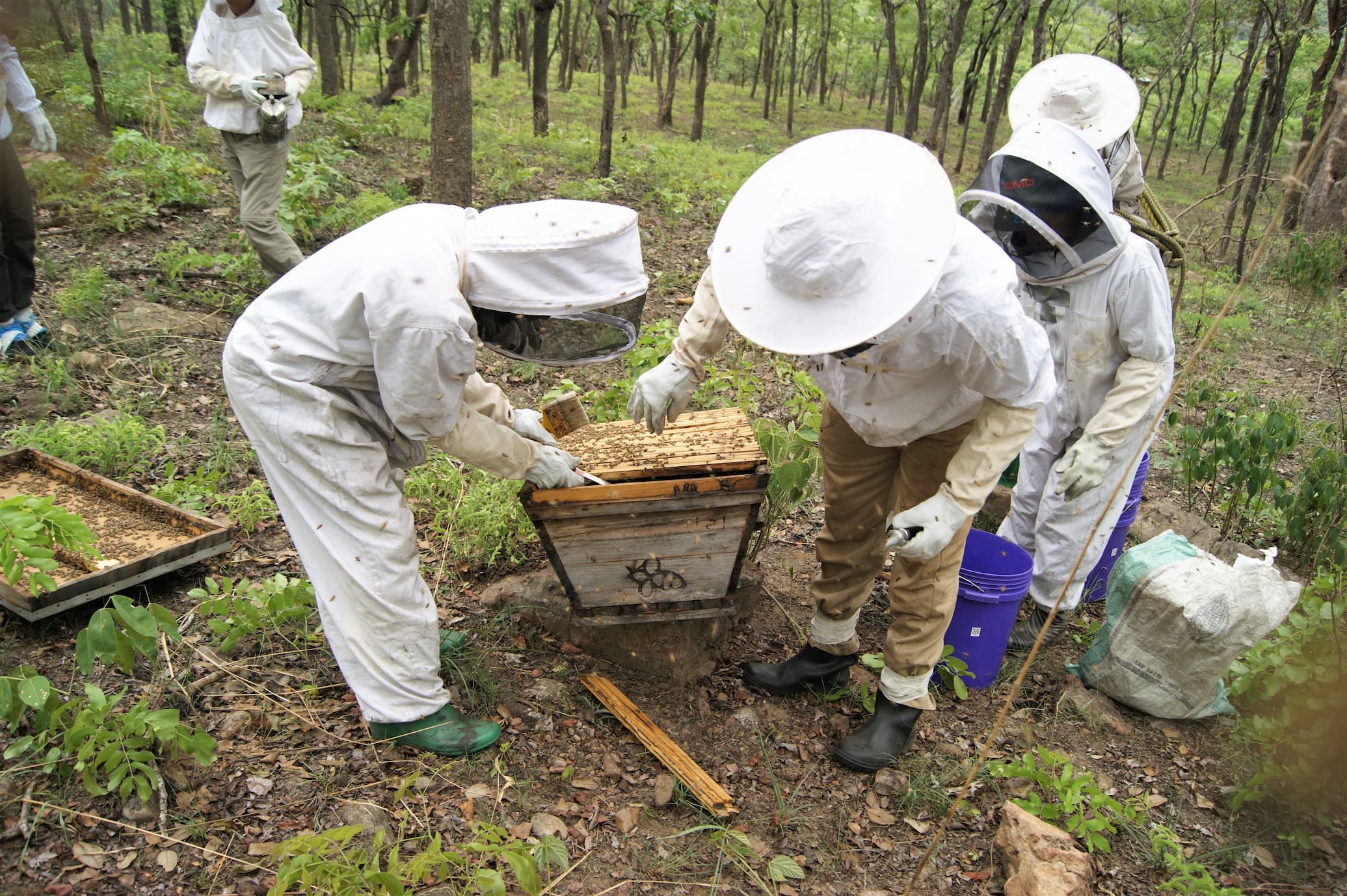
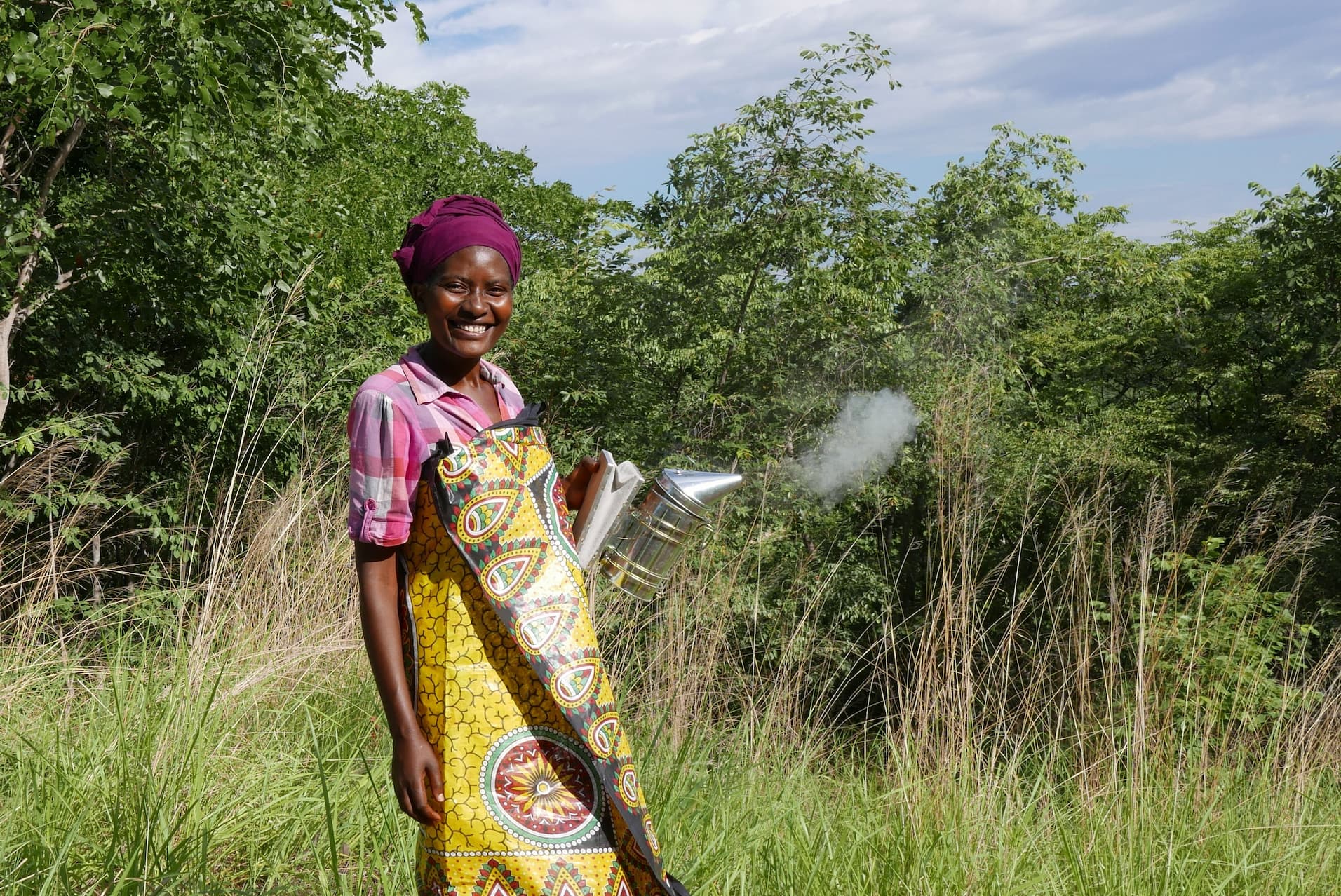
| | JGI is committed to making alternative livelihood options available for people living in and around critical habitat like the Miombo Woodlands, options that prevent giving into more damaging markets that require habitat destruction, like logging, mining, hunting or illegal trafficking. For our Woodland Honey project, JGI works with several local communities in Tanzania to facilitate construction and maintenance of beehives, complete with beekeeping training. | | “JGI organizes workshops in which traditional beekeepers demonstrate how to respect the hard work of the bees, and always leave enough honey in the hive for their bees’ needs,” Jane assures. “And so our honey is produced ethically and sustainably. Because the bees rely on the biodiversity of the Miombo Woodlands, this provides an incentive for the local communities to protect the environment and its rich diversity of wildlife. This includes chimpanzees, baboons and monkeys, as well as leopards, pangolins, other mammals, and a fantastic number of bird and insect species.” | | The success of this project depends on us, and on you, our customers. On this World Chimpanzee Day, I want to uplift Jane’s call to action: “I do hope that you’ll join us in supporting this initiative. By doing so, you’ll be helping both the environment and the people in Tanzania who are working so hard to protect it. And of course, you’ll be bringing delicious honey into your home. Thank you.” | | | | These are tart, fruity honeys made by wild bees, but it’s not just about bees or honey. It’s about our world, our home. Take a moment to enjoy the especially unique flavors in the Smoked Woodland Honey, the result of a bee-friendly practice of smoking the hive in order to calm the bees for a harm-free harvest. We hope you’ll share this collection, and this mission, with everyone in your life.
| | Ethan Frisch Burlap & Barrel Co-founder & Co-CEO | | | | |