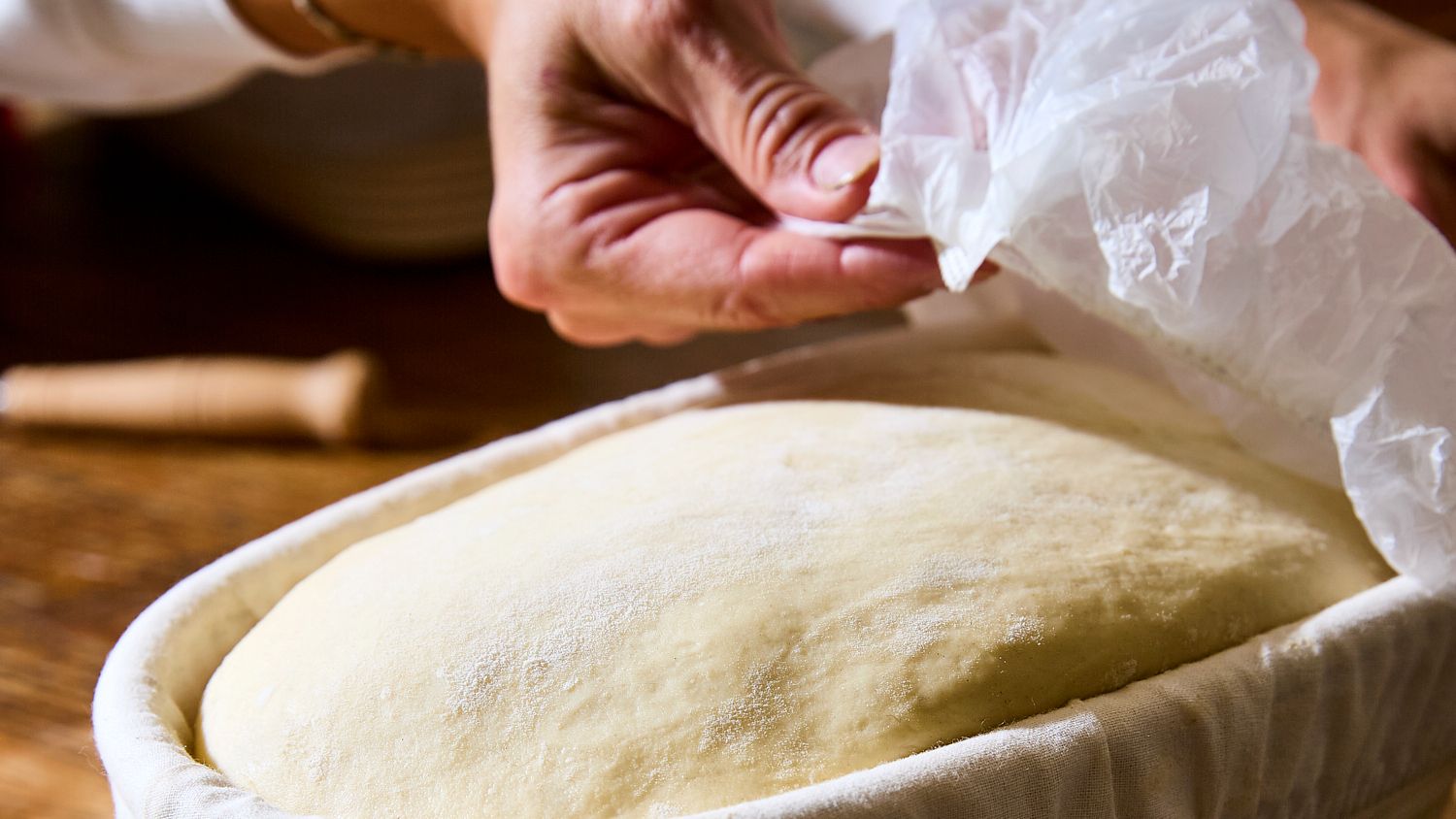
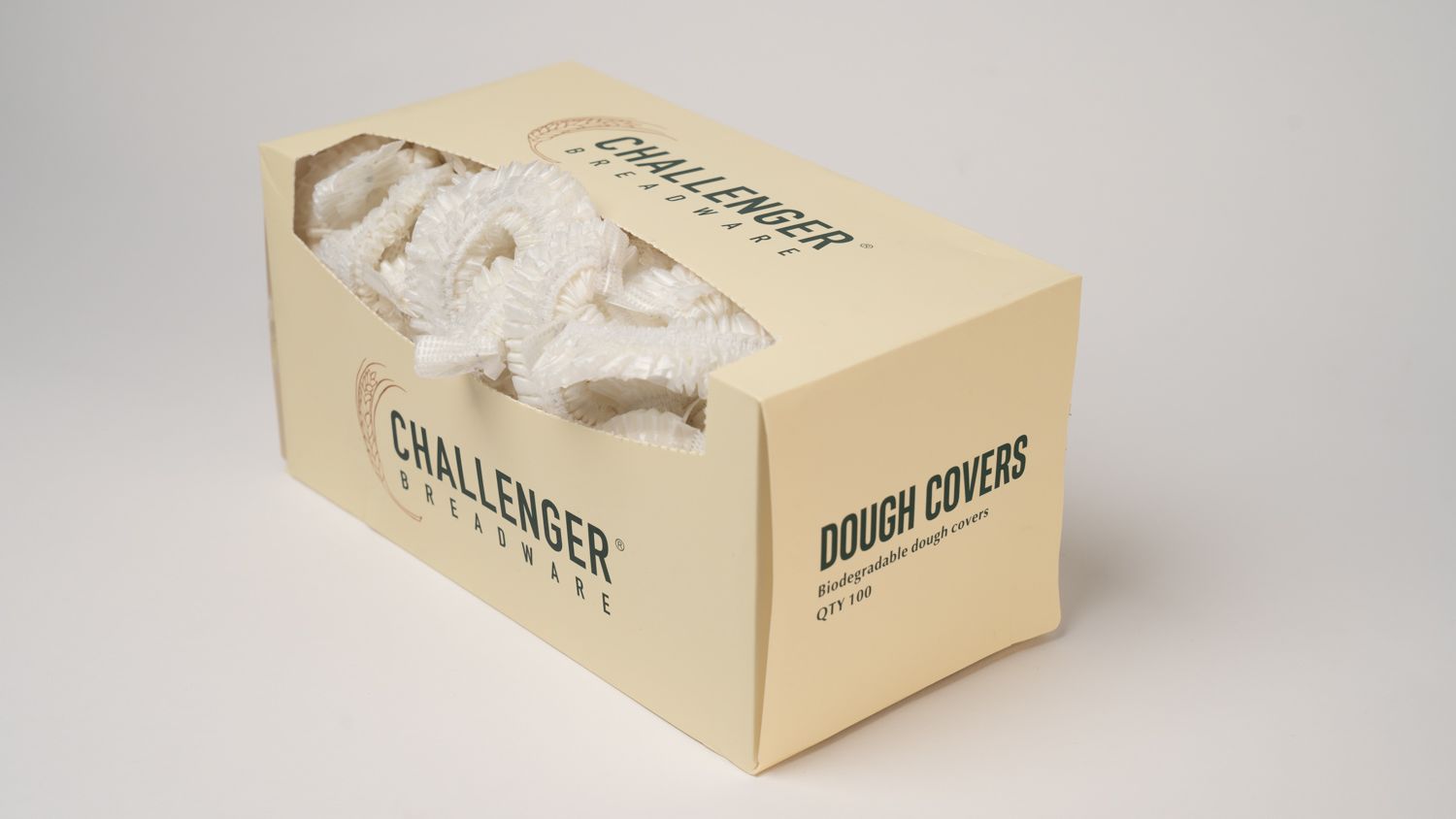
Why Covering Your Dough Can Make All the Difference Covering your dough during proofing might seem like a small detail, but it can have a big impact on the quality of your final bake. Whether you're making a classic sourdough or a rich brioche, this step helps create the ideal environment for yeast to thrive and the dough to proof. Dry dough can form a crust or "skin" that limits its rise and may cause cracks, leading to a less airy crumb. By covering, you ensure the dough retains the appropriate moisture level and its extensibility—the ability to stretch without tearing— thereby allowing the dough to rise freely and develop a soft, supple texture. Covered dough also tends to stay at a warmer temperature, because covering helps keep in the heat generated by fermentation. This allows the dough to proof a bit faster and can also result in a lighter texture. If you typically proof your dough without a cover, consider trying it out. We think you’ll love the results! |