Challenger Breadware - February 25, 2025

Winter Baking: Adjusting for the Cold

Baking fresh sourdough from scratch is blissfully rewarding,...

View this email in your browser
alt
alt

Baking in the Winter Months

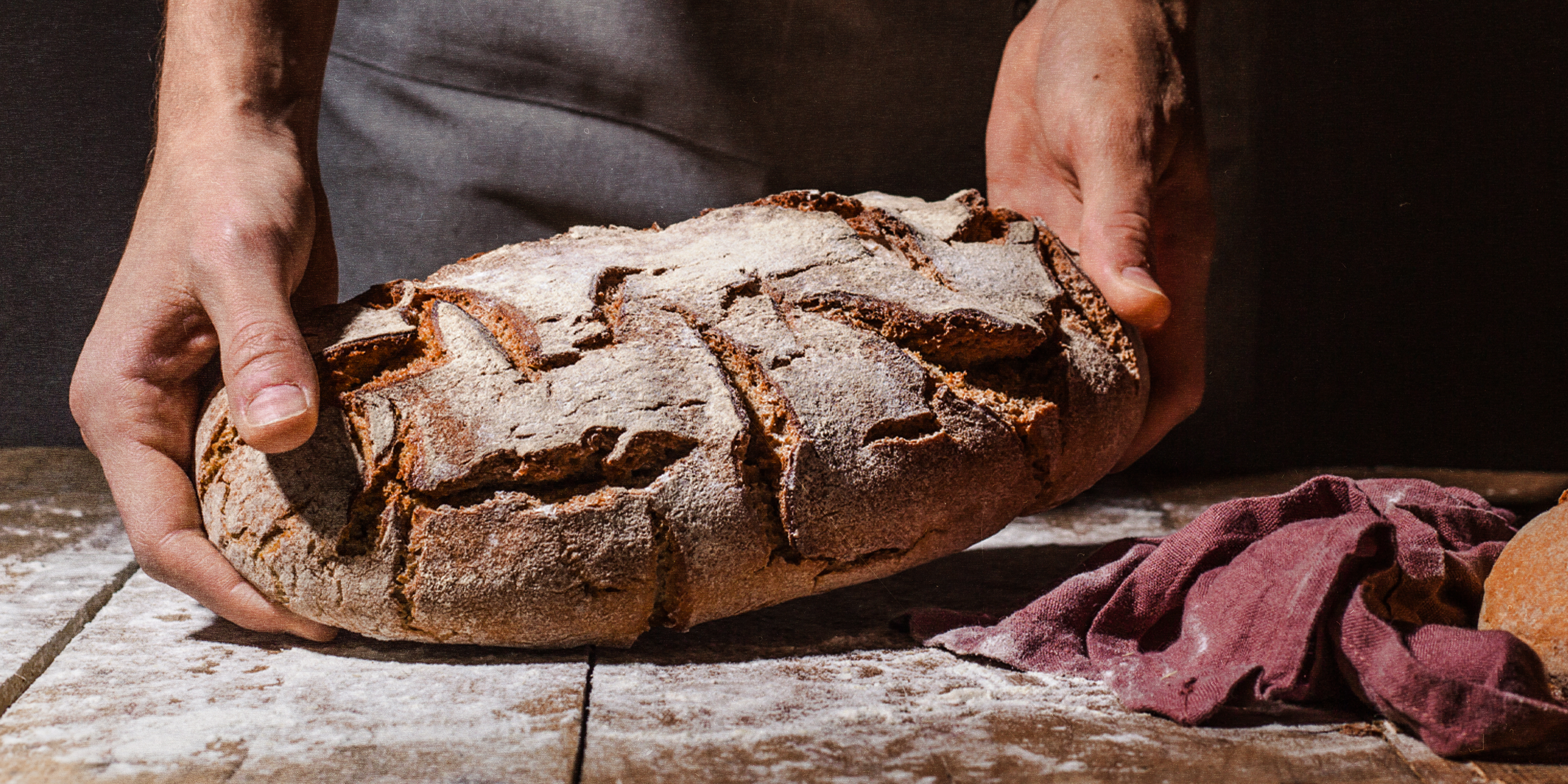
Baking fresh sourdough from scratch is blissfully rewarding, but every baker knows the process can be unpredictable—especially in winter. So why does your dough seem to react differently in the cold? Understanding the challenges is the first step to baking success, no matter the season.

Cold Weather Challenges 

  • Slower Fermentation: When temperatures drop, wild yeast and lactic acid bacteria—the little guys that bring your sourdough to life—start taking longer to do their work, stretching fermentation times. Your starter takes longer to peak, and your dough won’t develop gas and structure as quickly. The result? More waiting, less predictability, and a dough that requires extra patience.
  • Slower Proofing: With fermentation moving at a crawl, proofing takes much longer. If the dough stays too cold for too long, the yeast won’t produce enough gas to create a proper rise. The result? A dense, underproofed loaf that never quite reaches its full potential.
  • Weaker Gluten Development: Cold dough isn’t just harder to work with—low temperatures slow gluten development, making it more difficult to achieve the light, open texture you’re after. The result? Stiff, tight dough that’s tough to shape, limited oven spring, and ultimately, a loaf with a denser crumb.

Tips & Tricks 
Winter-Proof Your Next Bake

To keep your bake on track, try these cold-weather adjustments:

Strengthen Your Starter – If your starter takes longer than 4-6 hours to double, it likely needs a warm up. Feed it with 75°F water and store it in a cozy spot to keep fermentation active.

Mixing Matters – A cold environment slows fermentation, which affects how your dough develops. Using lukewarm water (but no hotter than 85°F) and allowing your dough to rest properly during mixing helps ensure even hydration and gluten development. 

Warm Your Workspace  – Temperature is key during bulk fermentation. If your kitchen tends to be on the cooler side, turn up the heat, place your dough in a warmer spot, or use a proofing box to maintain consistent conditions and keep fermentation on track.

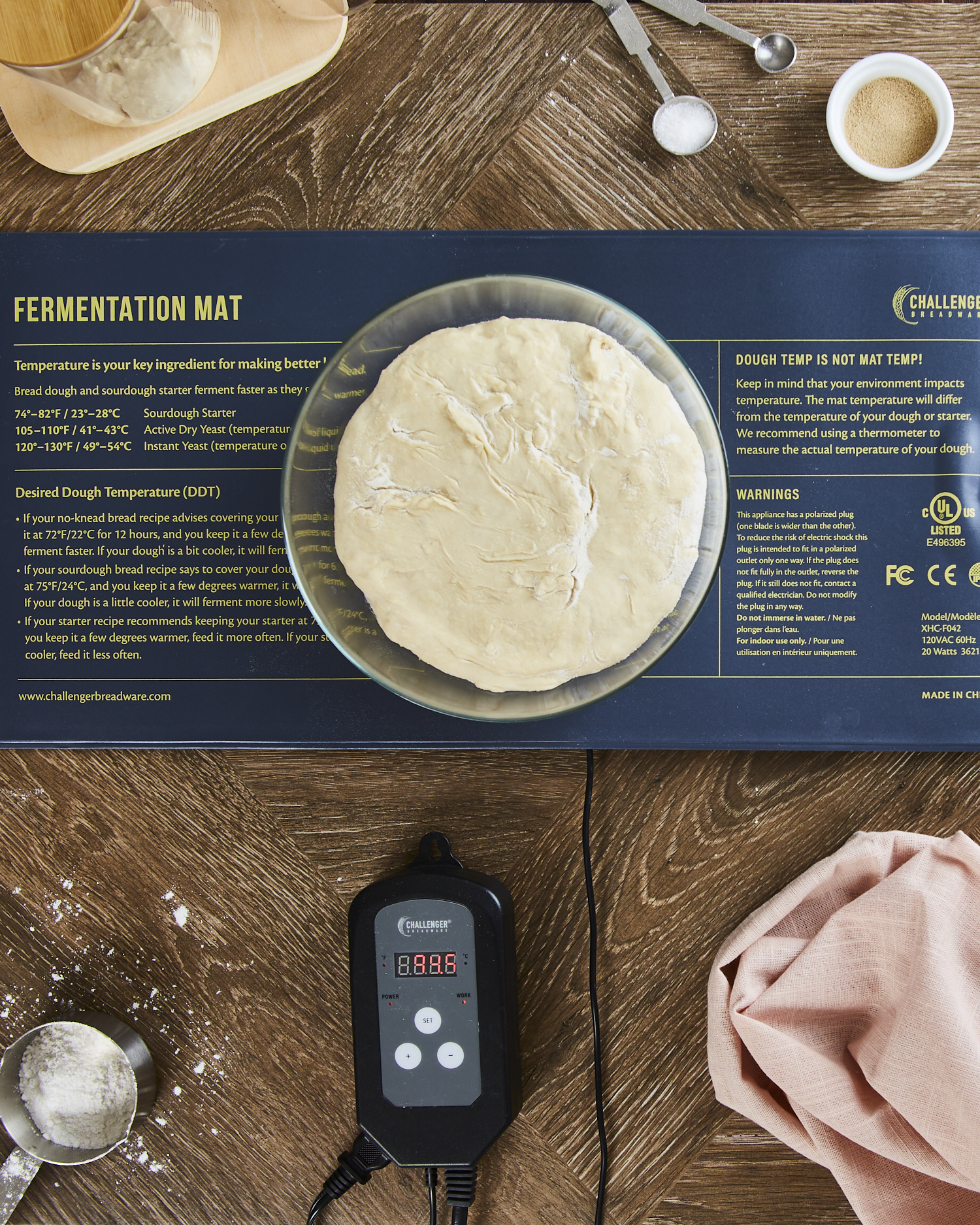
Proof with Precision – The final rise is crucial. Dough proofs best at 75-80°F, so using a fermentation mat (think of it as a heating pad for your dough) can prevent sluggish rise times and ensure an even bake.

By making these small adjustments, you’ll set yourself up for predictable, bakery-quality bakes—even in winter.

Challenger Community Kitchen
alt

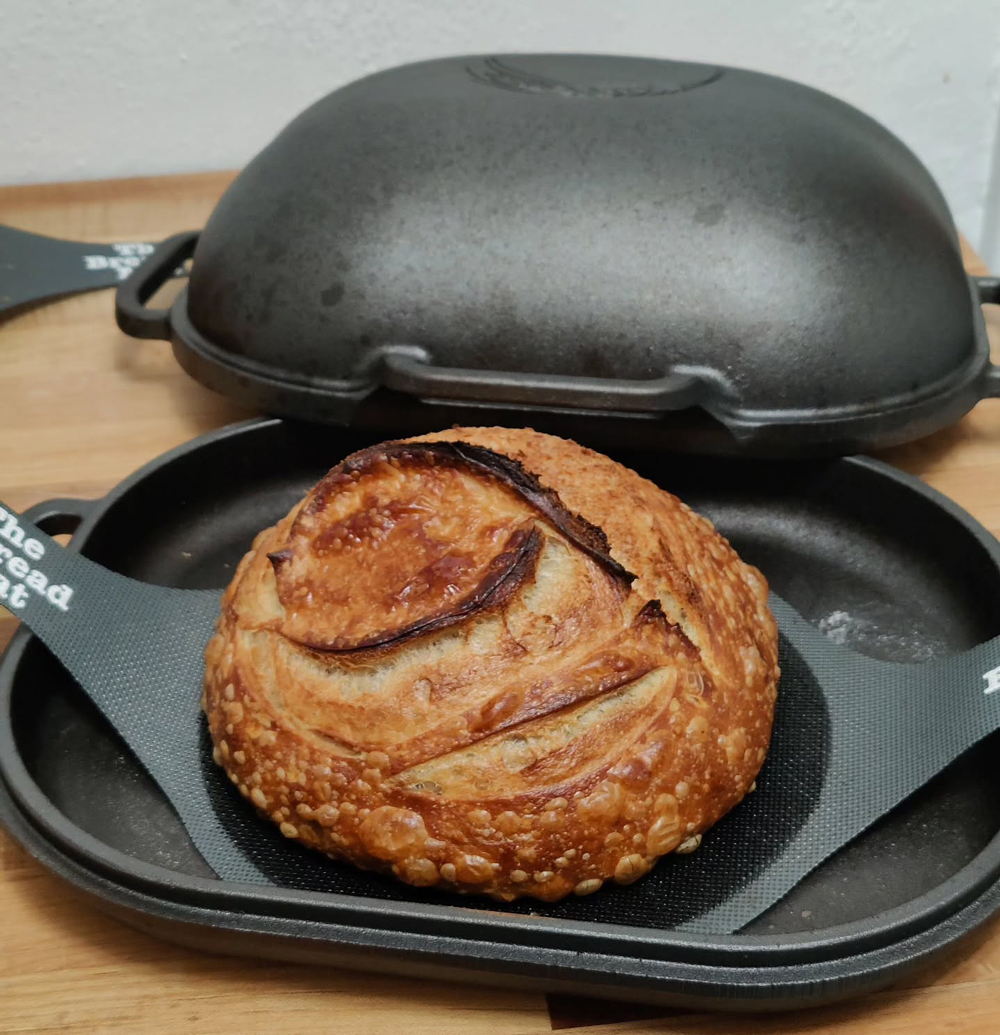
Another month, another Community Kitchen winner. And this month’s talented baker is @smallovenbakery! We love a loaf that looks this good. Want to be considered for our next Community Kitchen call-out?

Simply post a pic of your bake on IG or FB with the hashtag #ChallengerBreadPan. If your pic is picked, we’ll share your bake. Everyone gets a chance!

Tools of the Trade
alt

Maintaining the right temperature is key to a successful bake, and a fermentation mat can make all the difference. By setting an exact proofing temperature, you eliminate guesswork and create a controlled environment for consistent, reliable results.

With winter in full swing, now’s the perfect time to upgrade your workspace! Check out the Challenger Fermentation Mat or our Proofing Kit, which includes both a mat and a proofing box, for optimal fermentation.

Facebook
Instagram
Website
YouTube
Copyright © 2025 Challenger Breadware, All rights reserved.
You were subscribed to the newsletter from Challenger Breadware

Our mailing address is:
Challenger Breadware
2700 Patriot Blvd
Suite 250
Glenview, IL 60026

Add us to your address book


Want to change how you receive these emails?
You can update your preferences or unsubscribe from this list.