
Geneverse
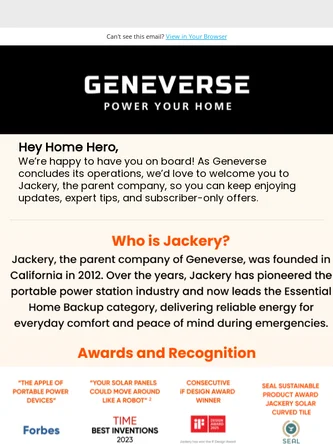
Geneverse (formerly Generark) provides reliable, renewable, and affordable backup power solutions including portable solar generators, battery power stations, and solar panels designed for home emergency power and off-grid use.

-
Geneverse · Oct 07
-
Geneverse · Jan 02
-
Geneverse · Dec 31
-
Geneverse · Dec 27
-
Geneverse · Dec 25
-
Geneverse · Dec 23


Geneverse customer service
Use any of the convenient means below to contact Geneverse customer service.
| Phone | (800) 210-8665 |
| Web | https://geneverse.com/pages/contact |
| [email protected] |

Returns
What is the return window?
Geneverse offers a 30-day warranty refund/exchange policy from the date your order was delivered for all purchases made on geneverse.com. If you are not 100% satisfied for any reason during this time you can return your product for an exchange or a full refund less shipping and handling.
Do I need a receipt to return an item?
You need to contact the Customer Support Team to obtain a RMA (Return Merchandise Authorization) for the return of your product whether for refund or exchange.
Are there any items that are non-returnable?
Final sale items and all accessory purchases are final sale and not subject to the return/refund policy. Items must be returned in the exact same condition as purchased and in original packaging.
How will I receive my refund?
Refunds will be issued in the original amount of the purchase price (not including shipping & handling fees), minus a 20% restocking fee.
Who pays for return shipping?
Geneverse is not responsible for the costs of the return.

Editor's Take
So here's the thing about Geneverse-it's basically what happens when someone gets really, really tired of power outages and decides to do something about it. The founder was living in the San Francisco Bay Area in 2019 when California wildfires knocked out power for four days, and he had a six-month-old baby at home. That'll light a fire under you, no pun intended.
What started as Generark back in 2019 rebranded to Geneverse, and honestly? The name change kind of makes sense when you look at what they're trying to do. They're not just selling portable solar generators-they're pushing this whole vision of decentralized energy independence. They're the only company in the market offering a 5-year warranty on their products, while competitors typically max out at 2 years. That's... actually pretty significant when you're dropping serious cash on backup power.
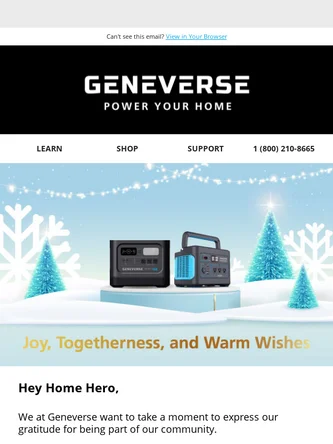
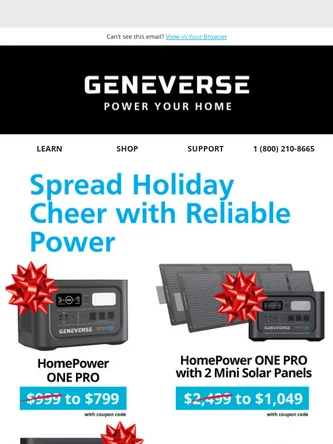
The product lineup centers around their HomePower battery stations and SolarPower solar panels. Think of them as really beefy portable batteries that can run your fridge, charge your phone, power your CPAP machine-basically keep the essentials going when the grid fails. Every unit goes through 52 reliability and safety tests, which sounds excessive until you remember these things are supposed to work during actual emergencies.
But here's what's kind of interesting: they're certified by the U.S. Department of Energy, California Energy Commission, Federal Communications Commission, and the United Nations 38.3 Transport Safety Standard. That's not just marketing fluff-those are legitimate certifications that matter when you're dealing with lithium batteries and solar charging systems.
The pricing sits somewhere between "affordable for most households" and "way cheaper than a Tesla Powerwall." They're pretty transparent about positioning themselves as the budget-friendly option for home backup power. And unlike gas generators, these don't emit fumes, so you can actually use them indoors without, you know, dying from carbon monoxide poisoning.
What really stands out is how they've designed these things for people who aren't tech-savvy. The setup supposedly takes 30 seconds or less. The HomePower stations can charge three different ways: solar panels, wall outlet, or your car's 12V port. And they hold a charge for up to a year, though they recommend topping them off every six months.
The company's gotten some decent press-CNN listed them among the best solar generators in 2023, and they've been featured on HGTV, USA Today, and Good Housekeeping. Their social media presence is modest but growing, with around 11K followers on Instagram and 16K on Facebook.
One thing worth noting: they only ship within the United States (excluding Hawaii initially, though that may have changed). So if you're international, you're out of luck unless you use a forwarding service.
The whole vibe is very "California startup meets practical emergency prep." They're not trying to be sexy or revolutionary-they're just trying to make sure your kid's baby formula doesn't spoil when PG&E shuts off power during fire season. And honestly, that's probably exactly what a lot of people need right now.