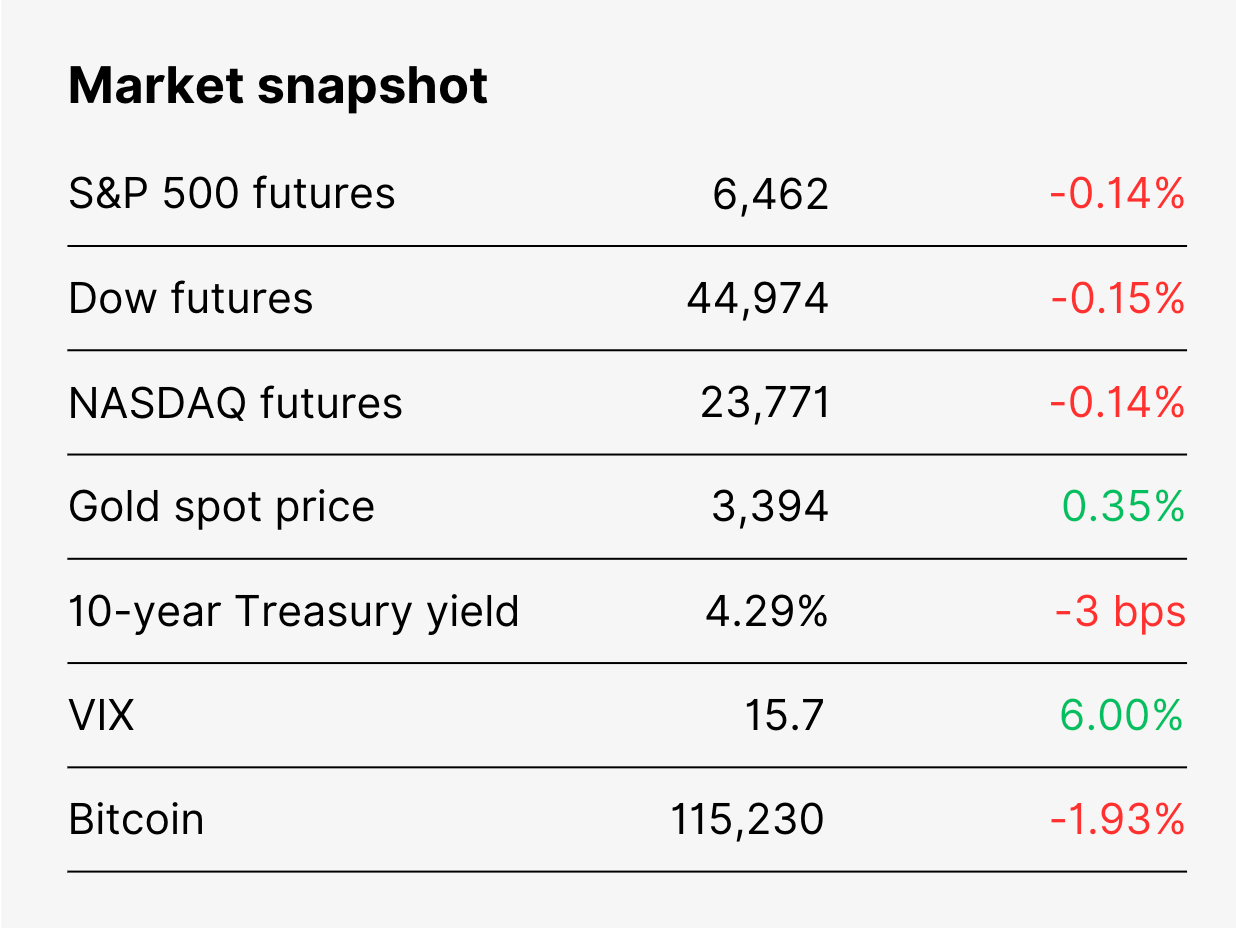
| | Good morning, Crude prices spiked nearly 5% yesterdat after Washington slapped new sanctions on Russia’s Rosneft and Lukoil, reigniting supply worries. Meanwhile, Tesla stole the show in earnings. Elon Musk spent most of the call defending his proposed $1 trillion pay package, taking shots at proxy advisers he called “asinine.” Quantum computing stocks like IonQ and Rigetti ripped as much as 20% on reports that the Trump administration is weighing federal equity stakes... ...before the Commerce Department denied everything. It’s the kind of blink-and-you-miss-it rally that sums up this market: one tweet away from a boom or bust. Perhaps not surprisingly, trade tensions are heating up again. Beijing is tightening its grip on rare earth exports, putting U.S. defense supply chains on notice. Officials are already calling it a “days-away crisis,” even as Lockheed, Northrop, and RTX insist they’re covered. Finally, the real economy is split right down the middle. A “K-shaped” recovery is playing out in real time — luxury spending is booming while budget shoppers pull back. Happy Friday, and have a lovely weekend, folks. Let’s dig in.
| | | | | Hang tight, Dan Runkevicius, Chief Editor | |  | | | | Message from our sponsor... | | | Five things to know before opening bell
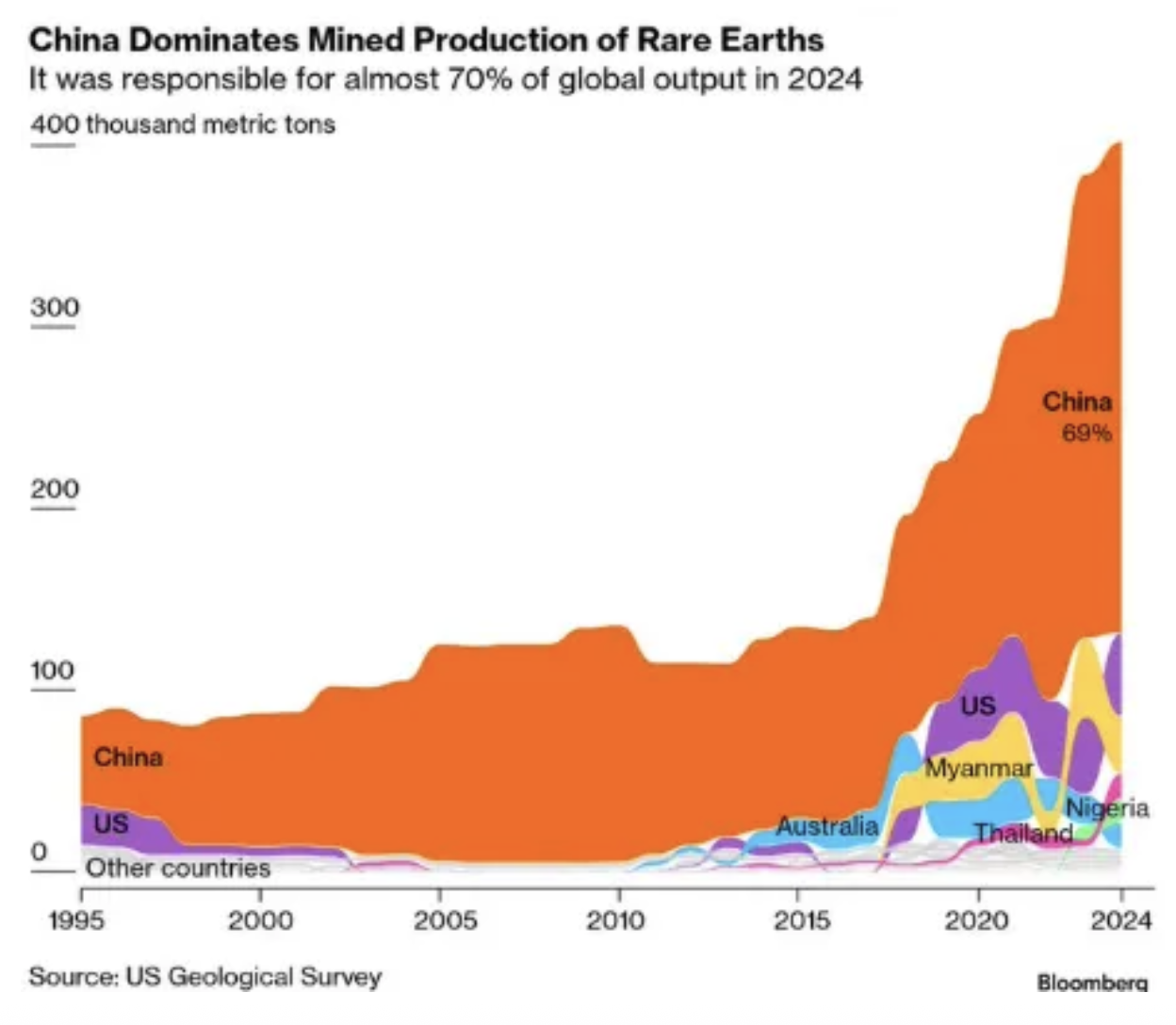
| | | 📊 All eyes on CPI today Today's delayed CPI report is the month’s main event for data-hungry markets and the last key reading before next week’s Fed meeting. As SMBC Nikko economist Troy Ludtka said, “all of the market’s focus and attention is going to be directed onto this one report.” 🛢️ New sanctions send oil rallying Oil prices are soaring on new sanctions, but analysts say the real test will be how India reacts and whether Russia can line up new customers. UBS thinks the upside for Brent will stay capped around $70 as OPEC+ ramps up supply. 🇨🇳 Trump and Xi will meet after all On the diplomatic front, Trump and Xi will meet next Thursday at APEC. The White House says Trump wants to pause higher tariffs in exchange for Beijing resuming soybean imports, tightening fentanyl enforcement, and easing rare-earth restrictions. 🪙 The "debasement trade" is back in gear Gold and Bitcoin snapped back Thursday as traders reassessed inflation and geopolitical worries. Gold rose more than 1% at its intraday peak, making up part of its earlier 6% drop, while Bitcoin added around 2% ahead of today’s CPI report. Most analysts say the pullback was technical, not a sign of fading demand. 🇺🇸 Trump cancels trade talks with Canada Trump is reportedly done with Canada after Ottawa aired an ad mocking his tariff plan. The spot used audio from a 1987 Ronald Reagan speech defending free trade and blasting tariffs... a not-so-subtle jab that clearly hit a nerve in Washington. | | | | 🛰️ Trade war could hit the defense sector within days | | | | Rare earth minerals are back in the spotlight as China tightens export controls and Washington scrambles to secure supply. With these materials essential for missile guidance systems, fighter jets, and other defense tech, analysts are warning the situation is teetering on the edge of a full-blown national security crisis. ⏱️ “Days, not weeks.” Beijing’s move to bann all exports of rare earths for defense use could choke off key inputs to the US military supply chain. “We are days if not weeks away from a crisis when it comes to national security,” warned Benchmark Mineral Intelligence’s Neha Mukherjee. Defense giants aren't panicing yet. Lockheed Martin and Northrop Grumman say they’ve built mineral stockpiles to buffer any shortfalls, while RTX Corporation told investors it has contingency plans in place. Morningstar analyst Nicolas Owens agrees the big contractors know the stakes, saying, “Defense primes have unusually high standards and sensitivity to where they get their stuff from… The whole defense department strategy is about countering China.” 🇨🇳 China’s ace up its sleeve
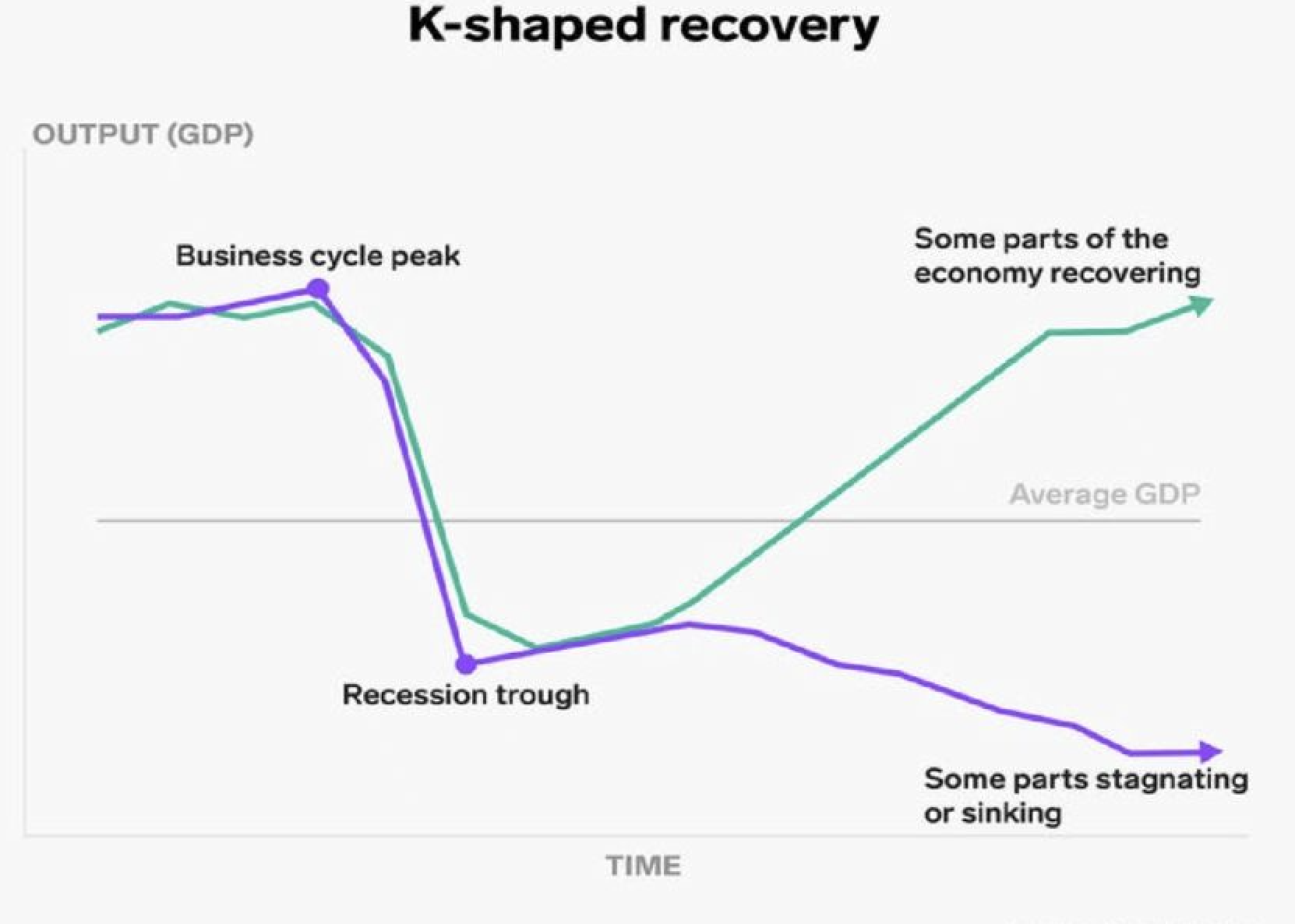
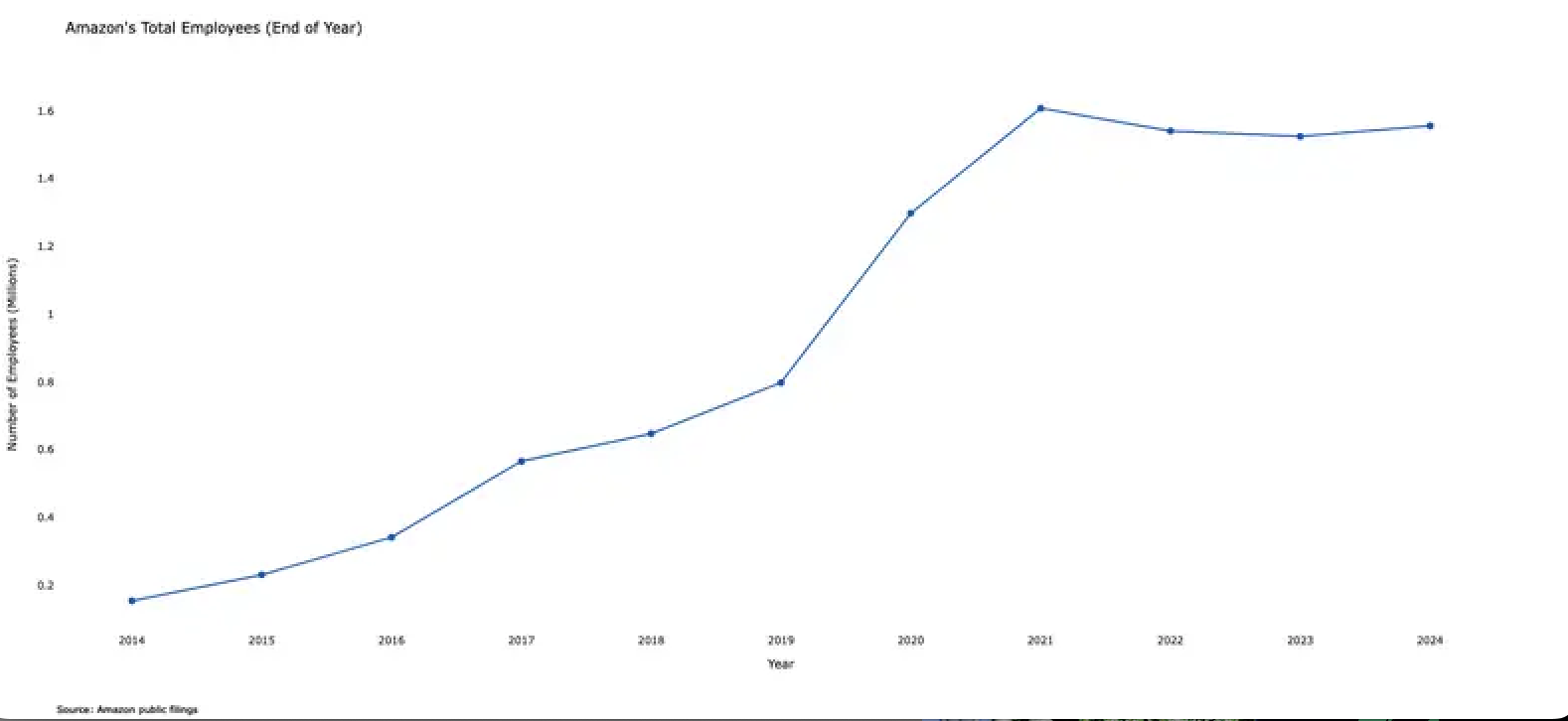
Despite the confident tone from the defense sector, the White House isn’t taking chances. The Pentagon recently poured $400 million into MP Materials for a 15% stake and took smaller positions in Trilogy Metals and Australia’s Nova Minerals. Former Commerce Secretary Wilbur Ross, who served in Trump’s first term, warned that Beijing is deploying a “disguised rationing system.” Technically, China plays by trade rules but effectively limits US access to critical minerals. The tactic, he said, “attacks our high-tech things and our national defense needs.” 📌 Bottom line: China controls over 90% of global refining and magnet production, leaving the US with few quick fixes if Beijing keeps tightening the screws. | | | | 💳 The K-shaped recovery hits Main Street | | | | With official data still offline, consumer behavior is filling in the blanks, and the picture isn’t pretty. The US economy is looking more split than ever, with higher-income Americans spending freely while everyone else tightens up. 🏪 Big brands see the divide Coca-Cola, McDonald’s, and Chipotle all report the same story: affluent shoppers are still splurging on premium options, while lower-income customers are trading down or cutting back altogether. The trend extends to bigger-ticket items too. Luxury car and air travel sales are rising, while budget markets keep shrinking. The average new vehicle now costs more than $50,000, and defaults are creeping up among subprime borrowers. Delta says premium seats are now on track to out-earn economy class. Hilton’s seeing the same split, with high-end bookings booming even as its midtier hotels struggle. 🕳️ The gap keeps growing Economists say the divide is growing by the day. Moody’s Mark Zandi said that “folks at the top are doing fabulously well,” while the rest are falling behind. Navy Federal’s Heather Long estimates the top 10% of earners now account for half of all U.S. consumer spending, up from just 35% in the early ’90s. Borrowing trends don't show a reprieve either. JPMorgan CEO Jamie Dimon says there’s evident growing credit stress among lower-income borrowers. 📌 Bottom line: Until the lower leg of that “K” finds the floor, America’s recovery will keep leaning on the wallets of its wealthiest consumers. | | | | 📦 Amazon’s holiday hiring boom is not what it seems | | | | Amazon is gearing up for the holidays with plans to hire 250,000 seasonal workers between now and December, mostly warehouse and delivery roles. On paper, it looks like a win for workers, but Amazon’s long-term plans tell a whole different story. 🤖 Temporary surge, permanent cuts Even as hiring ramps up, Amazon is quietly preparing to replace more than half a million jobs with robots over the next decade. Internal reports suggest up to three in four warehouse positions could be fully automated within eight years. The shift means fewer full-time roles ahead, even as e-commerce demand keeps rising. Amazon insists the leaked documents are being misrepresented, but the trend is already there. In Shreveport, Louisiana, warehouses are operating with about half as many human workers as before. If automation continues at this pace, the company that once symbolized job creation could soon become a net job destroyer, hitting working-class Americans hardest. In fact, despite nearly doubling sales since the beginning of Covid, Amazon’s employee count has been effectively flat for more than five years (chart above). 🛍️ A seasonal slowdown It’s not just Amazon. Seasonal hiring across retail is slumping to its lowest level since 2009. Research from Challenger, Gray & Christmas shows last year’s Q4 retail hiring dipped 4% to around 543,000 jobs, and this year could fall below half a million. “Seasonal employers are facing a confluence of factors this year, tariffs loom, inflationary pressures linger, and many companies are leaning on automation and permanent staff instead of large seasonal waves,” said Andy Challenger, the firm’s VP. Chains like Target and Kohl’s are following that playbook, offering current employees extra hours rather than bringing in new hires. 📌 Bottom line: Amazon’s hiring spree may look like good news, but it’s happening in a labor market that’s growing more cautious, more automated, and less human by the season. | | | | Rate this newsletter | | | Your feedback matters! Before you go, please rate this newsletter and share your thoughts. | | | | | | | | | | | | InvestorsObserver | | You received this email because you signed up on our website or made a purchase from us. | | | | |