Investors Observer - October 22, 2025

📉 Gold falls off a cliff again. What's next?

View in browser ...

alt
View in browser 
alt

Morning Brief

Good morning,

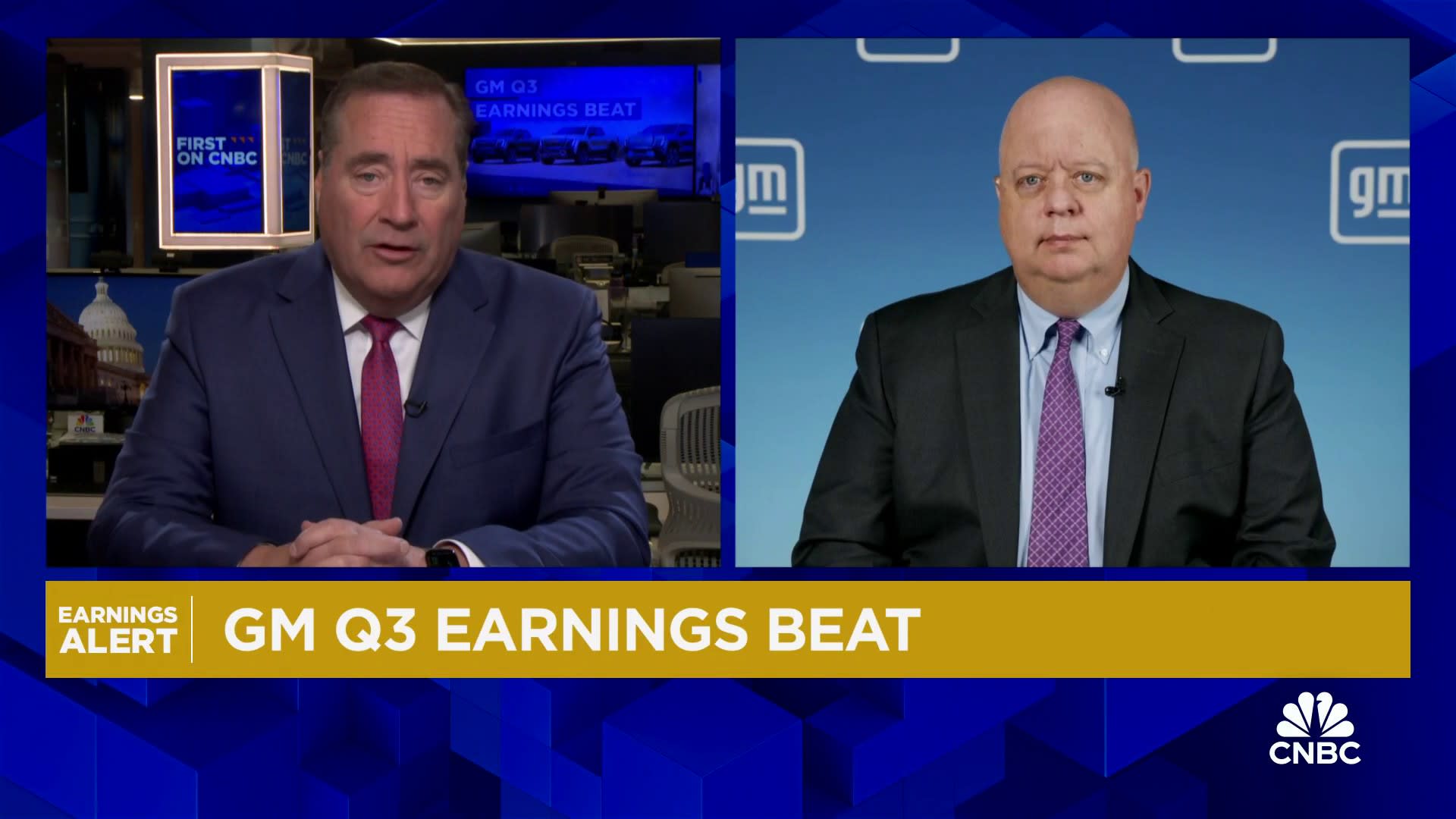
The Dow notched a fresh all-time high yesterday after solid earnings from Coca-Cola, 3M, and a surprisingly strong GM report.

Meanwhile, Apple is hair away from the $4 trillion club on the back of iPhone 17 demand... while Warner Bros. Discovery shot up 11% after confirming it’s weighing an unsolicited takeover bid.

But beneath new record highs and multi-trillion-dollar market caps, there's growing.

The gold market just had its worst day in 12 years, proving once again that even so-called "safe havens" can get ahead of themselves.

On the policy front, Fed officials are preparing for next week’s rate decision without their usual jobs data, forcing Powell to rely on patchy private reports that even ADP says are incomplete.

And in a sign of how far crypto has come, Fed governor Christopher Waller told DeFi builders they’re now “welcomed to the conversation” on the future of payments. 

Big week for earnings, bigger test for this bull market. Let’s dig in.

Hang tight,

Dan Runkevicius, Chief Editor

alt
alt

Quote of the day 

“The DeFi industry is not viewed with suspicion or scorn. Rather, today, you are welcomed to the conversation on the future of payments in the United States — on our home field.”

— Fed governor Christopher Waller

Five things to know before opening bell


📈 Earnings send Dow to all-time highs

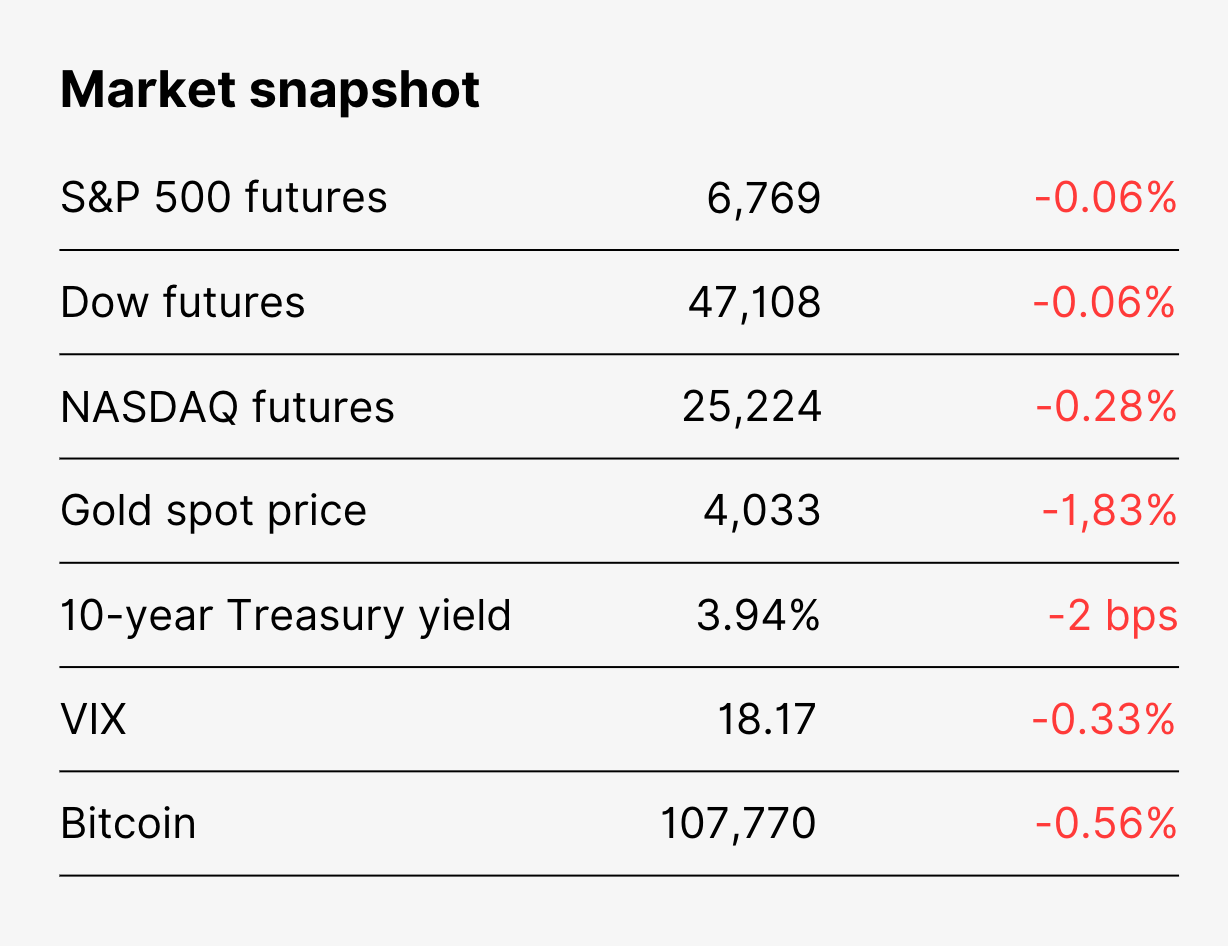
Blue chips (Coca-Cola, 3M, and GM) carried Wall Street higher yesterday, with the Dow climbing 0.7% to notch a new all-time high, while the S&P 500 and Nasdaq hovered around flat. Futures are down this morning as markets digest Netflix’s after-hours miss.

🎬 WBD considers sale

Deal fever is back in Hollywood. Warner Bros. Discovery said it’s reviewing “strategic alternatives” after getting an unsolicited takeover offer that could include its entire Warner Bros. studio. Rumors point to Netflix, Comcast, and Paramount as potential buyers, but CEO David Zaslav isn’t talking, other than saying the attention “shows the value of our portfolio.” 

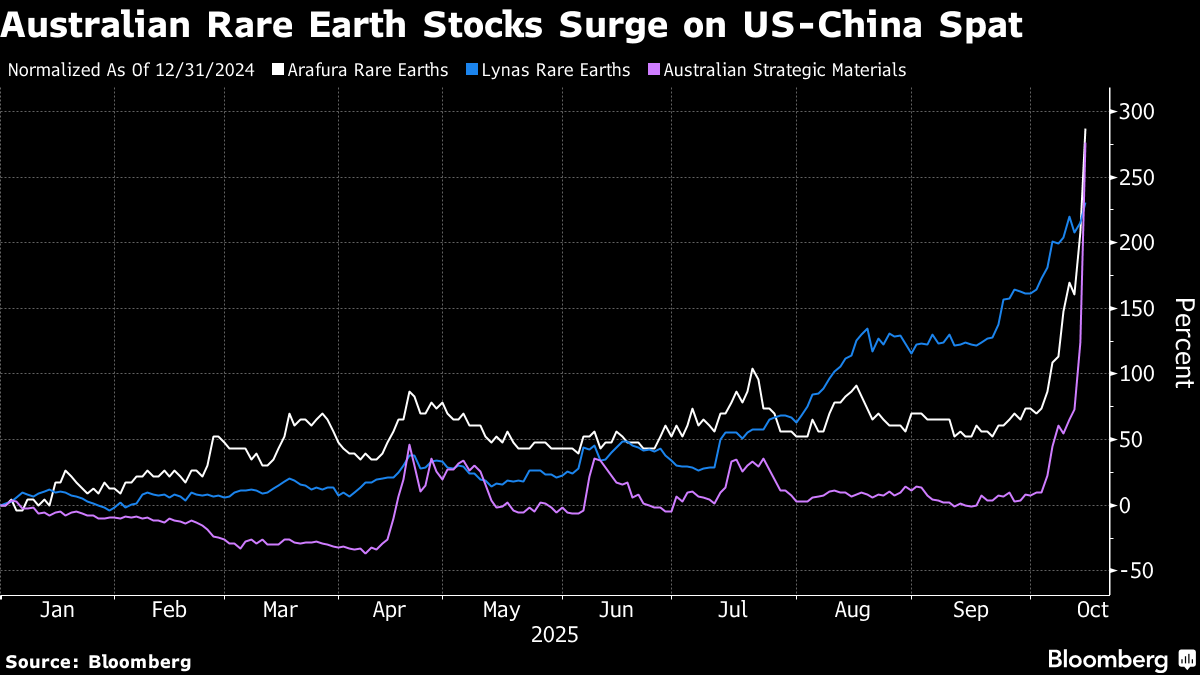
đŸ§Č CLF downgraded after rare earths spike

Cleveland-Cliffs’ rare-earths hype didn’t last long. The stock, which surged more than 20% Monday on news it would explore critical-mineral mining in Michigan and Minnesota, tumbled 17% yesterday after Wells Fargo slapped it with an underweight rating and an $11 price target, roughly one-third below Monday’s close. Analyst Timna Tanners said she was “skeptical of an attractive return” without proof of viable deposits.

đŸ€– Another AI bubble warning

Impactive Capital’s Lauren Taylor Wolfe joined the growing chorus of skeptics calling out “AI mania,” saying the market “has all the markings of a bubble.” Her concern is that Big Tech’s trillion-dollar AI promises are backed by only hundreds of billions in actual cash flow. Wolfe warned investors not to ignore old-school growth stories, quipping that “you’d have been better off owning a railroad in 2000.” 

🍏 Apple closes in on $4T market cap

Apple is edging closer to the $4 trillion mark after iPhone 17 demand blew past expectations. Sales in the U.S. and China are up 14% from last year’s launch, according to Counterpoint Research, with base models leading the charge. While the much-anticipated AI-powered Siri isn’t here yet, that didn’t stop investors from bidding AAPL up while the rest of Big Tech slipped.

🚗 GM earnings beat sheds new light on tariffs

alt

The auto industry has been taking punches all year, from fading EV demand to Trump’s tariffs. But GM just reminded investors it can still play offense.

📊 By the numbers

The automaker’s Q3 report passed Wall Street’s test with flying colors:

  • Adjusted EPS came in at $2.80, well above the $2.27 consensus
  • Revenue hit $44.26 billion, with tariff costs around $1.1 billion
  • Full-year adjusted EPS was raised from $8.25–$10.00 to $9.75–$10.50
  • GM trimmed its tariff exposure outlook while bumping up free cash flow guidance

CEO Mary Barra credited the strong guidance to the administration’s new “MSRP offset program” designed to cushion manufacturers against tariff costs.

She also pointed to GM’s domestic sourcing and new American factory investments as sources for higher margins.

CFRA’s Garrett Nelson called the quarter “a clear show of operational flexibility,” adding that management’s decision to raise guidance despite headwinds “demonstrates effective mitigation.”

🌎 The bigger picture

GM’s report isn’t just a win for automakers. It’s a case study in how to adapt policy shifts.

The company’s pivot back toward its bread-and-butter trucks and SUVs helped offset weak EV sales, while its sourcing strategy hedges against tariff risk.

RBC Capital Markets and TD Cowen now expect GM’s 2026 earnings estimates to move higher as these adjustments kick in.

GM stock jumped nearly 15% by the close, proof that in times like these, flexibility and execution trump Trump (pun intended).

📉 Gold falls off a cliff. What's next?

alt

After a historic run, gold is giving in to gravity.

Whether it’s a quick hiccup or the start of a deeper correction, the selloff is a reminder timing matters even with the "safest" havens.

📉 The biggest drop in four years

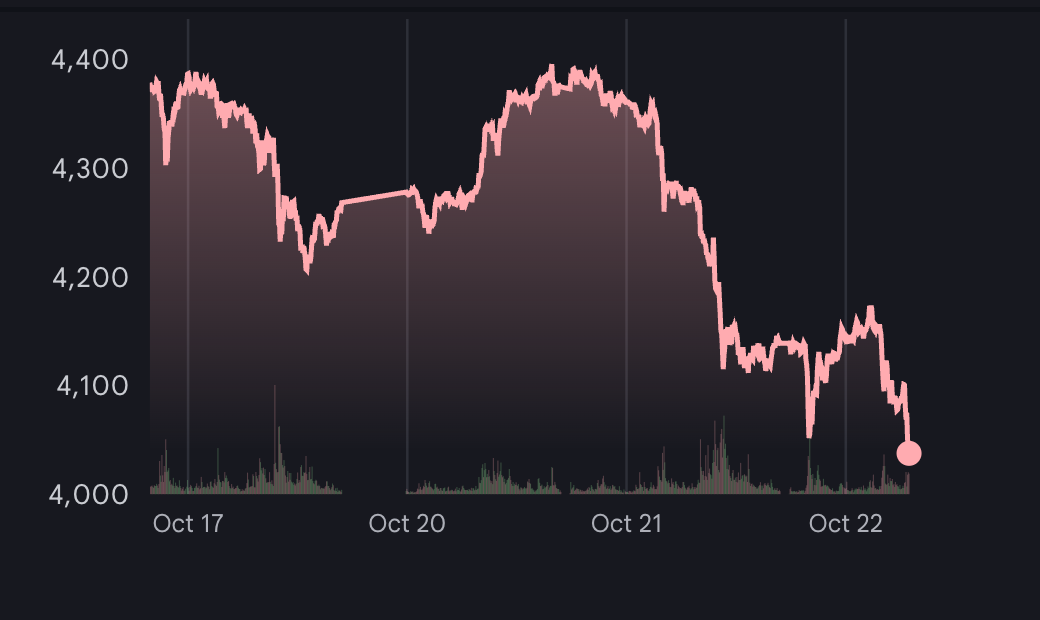
Gold has hit at least two dozen record highs in 2025 as investors piled into precious metals to hedge against political and monetary uncertainty.

But after touching an all-time high near $4,400 an ounce on Monday, bullion tumbled 5% yesterday, its biggest rout drop in more than 12 years.

Silver dropped even harder, plunging 7% after logging nearly 80% year-to-date gains.

🔍 Analysts weigh in

There are a couple reasons behind the sell-off apart from investors simply taking profits:

  • The dollar has strengthened, making gold pricier for global buyers

  • The government shutdown has delayed key economic data, clouding investor risk models

  • And a lower perceived risk of a full-blown U.S.–China trade war has cooled demand for defensive assets

Meanwhile, Bloomberg’s Tatiana Darie warned that if upcoming economic data surprises to the upside, “a larger gold pullback may not be far off.”

📌 The bottom line

This doesn’t look like the end of gold’s once-in-a-generation bull run, but it does feel like a stress test.

With 10-year Treasury yields slipping below 4% and the dollar holding firm, Hansen warned that heavy speculative positions “make both metals more vulnerable to correction.”

It’s a timely reminder that even safe havens can get overvalued, and that timing risk applies to every asset class, especially gold.

📊 Powell’s blindfold test

alt

Inflation data is finally coming this week, but that only gives policymakers half the story.

The Fed’s dual mandate (stable prices and maximum employment) depends on jobs data too... and right now, that side of the equation is a black box.

🚧 Flying blind

Heading into the shutdown, a slowing jobs market was already top of mind for economists, central bankers, and millions of American workers.

But with the Bureau of Labor Statistics still offline, the economy is effectively flying blind on one of its most important indicators.

The delay comes at the worst possible time.

A lot has happened: immigration slowdowns, tariff uncertainty, and federal workforce cuts. But without official data, it's impossible to measure the fallout.

For now, state-level unemployment claims offer the only glimpse of what’s happening.

The Economic Policy Institute says unemployment insurance claims among federal employees have more than doubled compared to a year ago.

📉 How reliable is what’s left?

To be fair, BLS data has plenty of critics. But as Fed Chair Jerome Powell admitted this week, “you don’t miss what you’ve got until it’s gone.”

With next week’s FOMC meeting approaching, the Fed is now leaning on private metrics.

But Powell himself called the situation “challenging,” noting they “won’t be as effective as the main course as they would have been as a supplement.”

To make matters worse, ADP has reportedly cut off the Fed’s access to its payroll data, and even that dataset is getting patchy.

ADP chief economist Nela Richardson said the most recent Quarterly Census of Employment and Wages contained “a higher-than-normal number of missing or redacted values” across industries and regions.

⚖ The policy tightrope

The Fed’s dilemma heading into next week’s meeting is as clear as it is precarious.

“They have to figure out if we should be aggressively pushing toward faster job growth again. The brake on that is inflation has been accelerating,” said Roosevelt Institute economist Mike Madowitz.

Walking that tightrope without reliable data isn’t just risky. It’s the monetary equivalent of steering a plane through fog with half the instruments turned off.

If someone forwarded you this email, subscribe here

facebook x email linkedin
InvestorsObserver

You received this email because you signed up on our website or made a purchase from us.

Unsubscribe

Sent by MailerLite