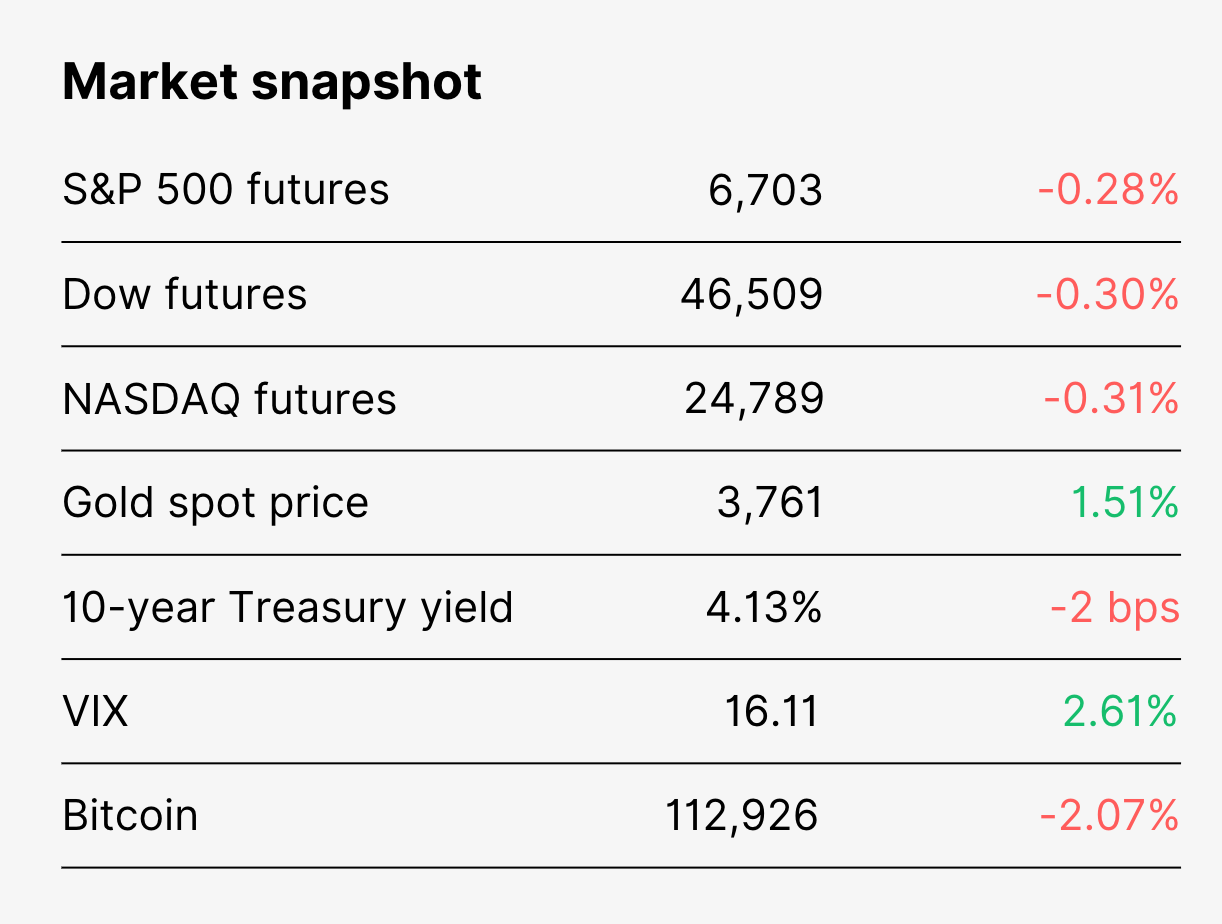
| | Good morning, Buybacks have been one of the key drivers of US stocks over the past decade or so. (This is when a company buys its own outstanding shares, propping up prices.) The sheer extent of these transactions is so mind-boggling that at times they accounted for most of the demand in the stock market. For example, in the four years leading up to the Covid crash, corporate America bought $2 trillion worth of its own shares net, four times more than all investors combined. Another fascinating side effect of buybacks is how they distorted capital distribution, or simply, how companies are spending their profits. Back in 1994, America’s 1,500 largest companies allocated $56 billion to buybacks while investing $351 billion in long-term assets such as technology, real estate, and other capital expenditures (capex). Today corporate America spends nearly as much repurchasing shares as it does investing in itself. Some even go so far as taking out debt to finance buybacks. In 2018, more than half of buybacks were funded with borrowed money. Over the past decade, this capital distribution model has been on the rise, hitting a record $1 trillion this year. Apple alone bought back $100 billion of its own shares. But that could be changing. After starting the year strong, corporate stock buyback activity has slowed to a trickle in the third quarter, with buybacks down 20% from Q1. In fact, if you adjust buybacks for market cap, they already peaked in February, according to JPMorgan and Bank of America estimates. This could mean a couple of things. First, corporate execs may believe their stocks are simply overpriced, and they’re holding off repurchases until valuations normalize. For example, Buffett hasn’t bought Berkshire shares since last May, the longest stretch of inactivity since he extended the company’s buyback policy back in 2018. There could be many reasons, but most likely the stock is trading at a much higher price-to-book ratio than the levels at which he historically made repurchases. Second, and more interesting, a lot of cash is now going into AI-related capex in the race to dominate the new era. Big Tech, once among the biggest stock buyers, has pledged to plow $400 billion into capex this year alone. That’s nearly half the size of total buybacks this year from just a handful of companies. There’s plenty of debate over whether this shift away from buybacks is temporary or a more systematic shift back to capex spending, and what it means for the stock market. But one thing is for sure, the biggest stock buyer isn’t as active as it used to be, at least for now.
P.S. By popular vote, we are keeping GIFs. We appreciate everyone’s input!
| | | | | Hang tight, Dan Runkevicius, Chief Editor | |  | | | | | "This isn't your grandfather's S&P 500. Return on equity and profit margins were far lower in those times when we weren't so [oriented] in those communication services and technology growth names." — Mariner Wealth Advisors chief investment strategist Jeff Krumpelman | | | | | Five things to know before opening bell | |
📈 Stocks kick off new week at new highs Friday capped the second straight day of record closes for the S&P 500, Nasdaq, and Dow, with the first two also locking in a third consecutive week of gains. Interestingly, small caps, which had surged after Wednesday’s rate cut, lost momentum and finished Friday about 0.7% lower. Futures are pointing down this morning, though. 🇺🇸🇨🇳 US-China TikTok deal takes shape The White House dropped new details on the TikTok deal: six of TikTok’s seven board seats will go to Americans, putting the US in majority control. The company’s secretive algorithm will also be turned over, with Oracle serving as security watchdog. Press secretary Karoline Leavitt called Oracle “one of America’s greatest tech companies.” ₿ Today is ‘Bitcoin Bottom Day’ Network economist Timothy Peterson has dubbed September 21 “Bitcoin Bottom Day,” noting BTC historically rises after this date through year-end. In fact, nearly three-quarters of past cases saw gains, with a median increase of over 50%. Peterson sees a 9-in-10 chance BTC climbs by year-end and almost 100% odds it will be higher in six months. He also projects $100,000 as a permanent floor, with a 70%+ probability BTC won’t drop below six figures again. One caveat is that this bet hinges on the status quo in macro. 💸 Buybacks keep falling for now After hitting record highs earlier this year, corporate stock buybacks have slowed in Q3, down 20% from Q1. Big tech — Nvidia, Meta, Alphabet, Apple — didn’t drive any meaningful year-over-year growth. Some analysts are asking whether buybacks still deliver the same EPS lift, especially with AI eating up capital. Goldman doesn't buy the doom and says the slowdown is temporary. 🏦 Fed updates again dominate calendar Last week’s Fed cut whetted appetite for more context from the Fed. Today, newly confirmed governor Stephen Miran speaks, followed by Fed chair Jerome Powell tomorrow. Regional updates continue, including today’s Chicago Fed national activity index. | | | | 🎄Tariffs + tight margins = slim holiday deals
| | | | With prices creeping higher and unemployment fears front and center, Americans are hunting for bargains. Trouble is, it looks like slim pickings ahead of the 2025 holiday season... 📦 The Prime Day barometer Amazon’s Prime Day has become the unofficial litmus test for the entire retail world. And this year it’s setting expectations low. Analysts at Momentum Commerce noted that while the total number of discounted items was slightly up from last year, the size of those discounts fell about 3% on average. “The discounts will be there … they just may not be quite as large,” said Andrew Waber, the firm’s director of market research. 🛒 What shoppers should expect Here are some predictions from recent market research: -
Salesforce predicts retail purchases with discounts could dip 2% from 2024 -
Simon-Kucher reports 40% of consumers plan to start holiday shopping next month, signaling earlier promotions -
Signifyd found this year’s price cuts average 14%, down from 16% a year ago. “Inflation is creeping into e-commerce, so there’s less margin for merchants to play with,” said Signifyd senior data analyst Phelim Killough 🏷️ Beyond the holidays The holiday season is crucial for retailers because about 40% of annual sales happen in the final three months, Simon-Kucher says.
In fact, Deloitte analysts project Americans will spend roughly $1.6 trillion in Q4 alone. But retailers don’t make all their money during the holidays; year-round sales matter too. The problem is many don’t have the margin to offer the big discounts they once could. Back in May, 3 in 4 retailers told Signifyd they planned to limit discounts because of tariffs. Executives from brands like Nike and Levi Strauss have said they’re prioritizing full-price sales this year. “Retailers are testing the waters of consumer price sensitivity … and so far, there hasn’t been too much pushback,” said Michael Gunther, head of insights at Consumer Edge | | | | 💼 The invisible jobs crisis | | | | The headlines are all about layoffs, but pink slips aren’t the only story... Defined as people out of work for 27+ weeks, long-term unemployment hit a recent high last month. Here are some highlights: -
1 in 4 unemployed workers have been jobless for 27+ weeks — the highest rate since early 2022 -
Overall unemployment: 4.3%, the highest in nearly four years -
More consumers expect unemployment to rise over the next year than at any point since the Great Recession -
Workers have the lowest expectation of finding a new job on record (New York Fed survey) Rising prices only make things feel worse. “As you become unemployed for longer and longer, it’s going to wear much heavier on whatever savings you might have,” said senior economist Cory Stahle. 🧑💼 What the experts say Uncertainty has put the labor market in a holding pattern and job-seekers are stuck in the slow lane. “We’re in this environment I think has been aptly characterized as a low-hire, low-fire type of environment,” said Vanguard US economist Josh Hirt. “So things are a bit more at a standstill.” Standstill means employers aren’t hiring and sentiment is splitting between those with jobs and those without. “If you are currently employed and you’re happy with your employment, you’re probably feeling OK because that layoff rate is still pretty low,” said Indeed Hiring Lab economist Allison Shrivastava. “But if you’re trying to get into the labor market or switch jobs, you’re going to be having a really difficult time.” Networking, upskilling, and contract work can help discouraged job-seekers, but perspective matters. “Remember that careers are not built over the course of a six-month or one-year period, but rather over the course of, preferably, decades,” Stahle said.
There is a silver lining for long-term job-seekers, though. Shrivastava notes. “You’re probably not going to be as penalized as you would be in a thriving labor market for having gaps in your resume. People are pretty understanding, given that we’re kind of all experiencing the economy together.” | | | | | Congressional gridlock is nothing new, but in a year already packed with market volatility, a federal government shutdown is a wildcard worth watching. 💸 Who could be affected A shutdown wouldn’t just slow some federal programs. It could also hit your wallet and your schedule: -
Travel headaches: airport delays, slower passport processing, limited access to national parks and museums -
Furloughs or layoffs for government contractors and nonessential workers -
Student loan applications and Education Department services would likely slow -
Markets could get jittery: a mild initial downturn could escalate into higher volatility for stocks and bonds ✅ Who's likely off the hook Core programs like Social Security, Medicare, Medicaid, and Treasury interest payments remain protected. Other services like mail delivery, federal courts, and IRS tax collections continue as normal. If history is any guide, stocks will likely shrug it off, too. “Government shutdowns have had little long-term effect on stock prices — or on the size and functioning of the federal government,” unless they’re prolonged, said Fidelity’s Asset Allocation Research Team. But uncertainty still matters, especially in today's backdrop. “If companies and consumers don’t know when government services will be up and running, it becomes more difficult to make investment or spending plans.” 📌 The bottom line A shutdown might not topple key services, but it could rattle an already nervous economy. Travel, timelines, and market stability would only get bumpier the longer it drags on. | | | | Rate today's newsletter... | | | Your feedback matters! Take a sec and tell us how we did! | | | | | | | | | | | | InvestorsObserver | | You received this email because you signed up on our website or made a purchase from us. | | | | |