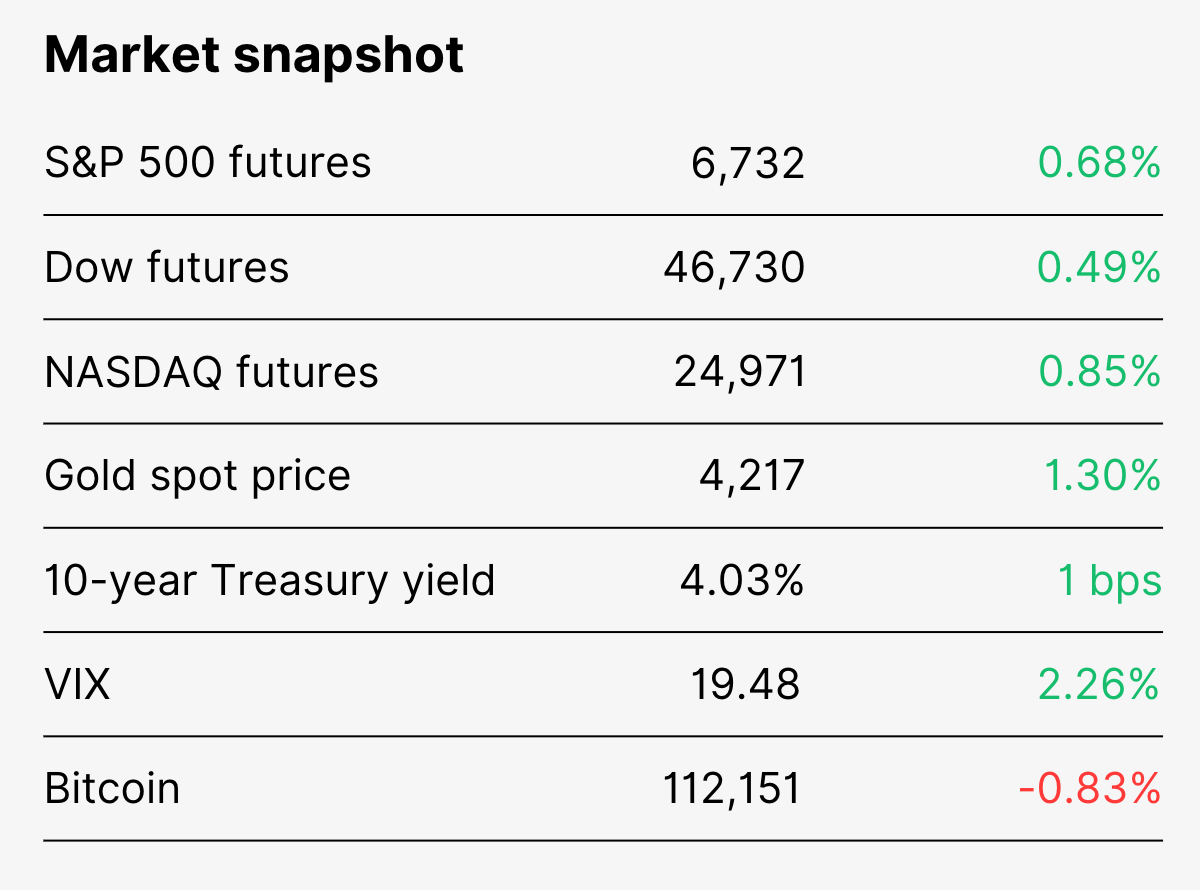
| | Good morning, Jamie Dimon is sounding the alarm… again. The JPMorgan chief warned that “a lot of assets” are now looking frothy, even as his own bank posted a 12% jump in profit. It’s a fitting quote for a market walking a tightrope between optimism and record valuations. On one hand, Wall Street’s biggest banks are cashing in on a comeback in dealmaking and trading, turning in double-digit earnings growth. On the other hand, red-hot asset prices don't offer much cushion. For example, silver’s record run turned on a dime yesterday after London’s supply squeeze unraveled. Meanwhile, Powell all but confirmed that more rate cuts are on the table. Investors took that as a small win as the longest government shutdown in history looms larger by the day. The political gridlock has already furloughed thousands and frozen key data releases, leaving investors and policymakers flying blind. In the private sector, Rayonier’s $3.4B timber merger hints at how Trump’s trade policies are already reshaping industrial supply chains. And AMD’s new chip deal with Oracle shows that tech giants are slowly stepping out of Nvidia’s shadow in the AI boom, potentially hinting at a broader rally. Let’s dig in! | | | | | Hang tight, Dan Runkevicius, Chief Editor | |  | | | | | “You have a lot of assets out there which look like they’re entering bubble territory. That doesn’t mean you don’t have 20% to go — it’s just one more cause of concern.”
— JPMorgan Chase CEO Jamie Dimon | | | | | Five things to know before opening bell | | |
🌲 Major merger in lumber market
Rayonier’s $3.4 billion all-stock takeover of PotlatchDeltic will create one of North America’s largest timber producers, controlling 4.2 million acres across 11 states. The timing is telling. President Trump’s tariffs on imported wood are aimed at propping up domestic production during what appears to be a rough patch for the industry. 🪙 Silver’s wild ride Silver was on a roller coaster yesterday, plunging more than 3% after hitting an all-time high as London’s historic supply squeeze fades. Goldman Sachs analysts warn that, unlike gold, silver “has no central bank bid to anchor prices,” meaning volatility can cut both ways. The metal closed yesterday nearly 70% higher than on January 1. ₿ Crypto tumbles on US-China quarrel Bitcoin dipped below $110,000 yesterday before paring losses, finishing the day down nearly 2%, following fresh tariff threats from the White House, paired with Beijing’s retaliatory restrictions. Ether plunged more than 9%, while smaller tokens joined the selloff, wiping out over $150 billion in market value at the low point. Glassnode warns that crypto “now enters a consolidation phase,” defined by caution and selective risk-taking. ✂️ Powell hints at more rate cuts Fed chair Powell said additional rate cuts are likely, citing a slowing labor market even as the shutdown limits official employment data. Speaking in Philadelphia, he said inflation and employment trends have changed little since last month, when the Fed trimmed rates for the first time this year. Markets are now pricing in a cut later this month as policymakers try to balance slowing job growth with tariff-driven inflation. 🇨🇳 Trump threatens new China trade curbs US-China tensions flared again after Beijing sanctioned five US units of South Korea’s Hanwha Ocean Co., prompting President Trump to accuse China of waging “economic warfare.” He claimed Beijing is deliberately halting US soybean purchases and warned of potential “retribution,” including a block on cooking oil imports. The escalation comes just days after both sides hinted at de-escalation. | | | | 🛑 The longest shutdown ever? Here's what you need to know
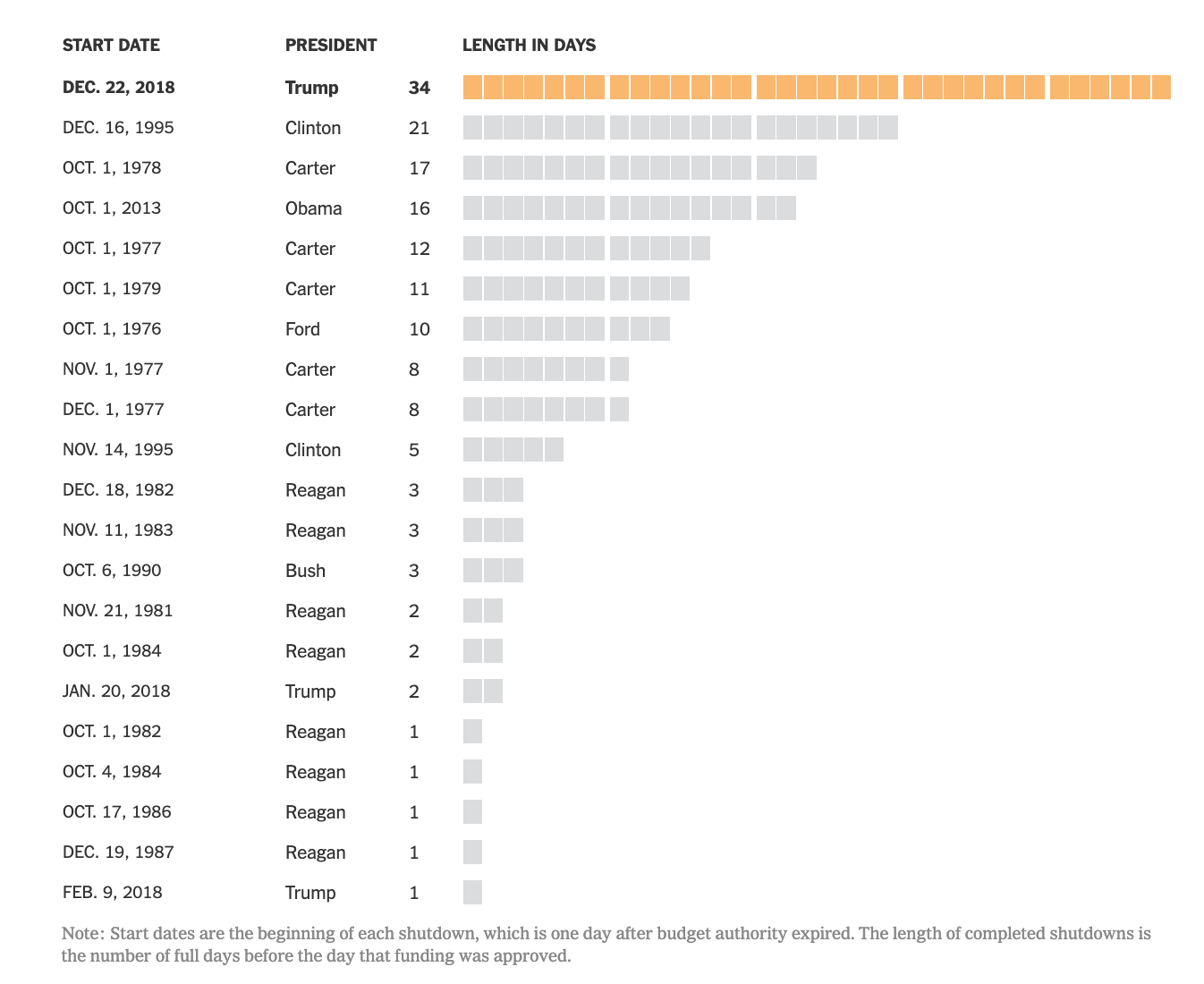
| | | | Markets usually shrug off short government shutdowns, but this one isn’t short. Heading into its second week, the stakes are rising... 🏛 What both sides are doing President Trump warned the administration will soon start cutting “Democrat programs,” promising a list of actions by week’s end. Thousands of federal workers have already been furloughed, and in a direct push on the Democrats, funding for projects in blue states has been suspended. House Speaker Mike Johnson (R-LA) backed Trump, saying he “won’t negotiate” until Democrats reopen the government. “We’re barreling toward one of the longest shutdowns in American history,” he said. Democrats are digging in too, insisting that extending Affordable Care Act subsidies is a condition for funding the government. House Minority Leader Hakeem Jeffries (D-NY) says GOP lawmakers are “nowhere to be found” on Capitol Hill. 📉 What it means for you History shows both Main Street and Wall Street can survive shutdowns just fine. Even the 2018-2019 recess (35 days and the longest ever) barely dented stock prices once government operations resumed. But this shutdown is testing that pattern. Furloughs are turning into layoffs, and missing paychecks could chip away at consumer spending. Vice President JD Vance admits there are some “painful” cuts ahead if this continues. Treasuries and consumer-focused sectors could see more volatility. Delayed economic reports add another layer of uncertainty, leaving analysts and policymakers flying blind. Even so, history and strategists advise staying calm. “Market volatility may be expected in the coming days and weeks. But the macroeconomic effects of shutdown have historically been minimal and quickly reversed," said UBS CIO Dirk Effenberger. "Investing is best approached with a long-term perspective… and the fundamental drivers that have powered markets this year remain intact.” | | | | 🏦 Big banks kick off earnings season on a bullish note | | | | It’s a busy week on Wall Street even without official data. Quarterly earnings are rolling in, with all eyes on the nation’s largest financial institutions... 📊 What the numbers show so far Industry heavyweights delivered solid Q3 results, driven by strong profits and a rebound in dealmaking. -
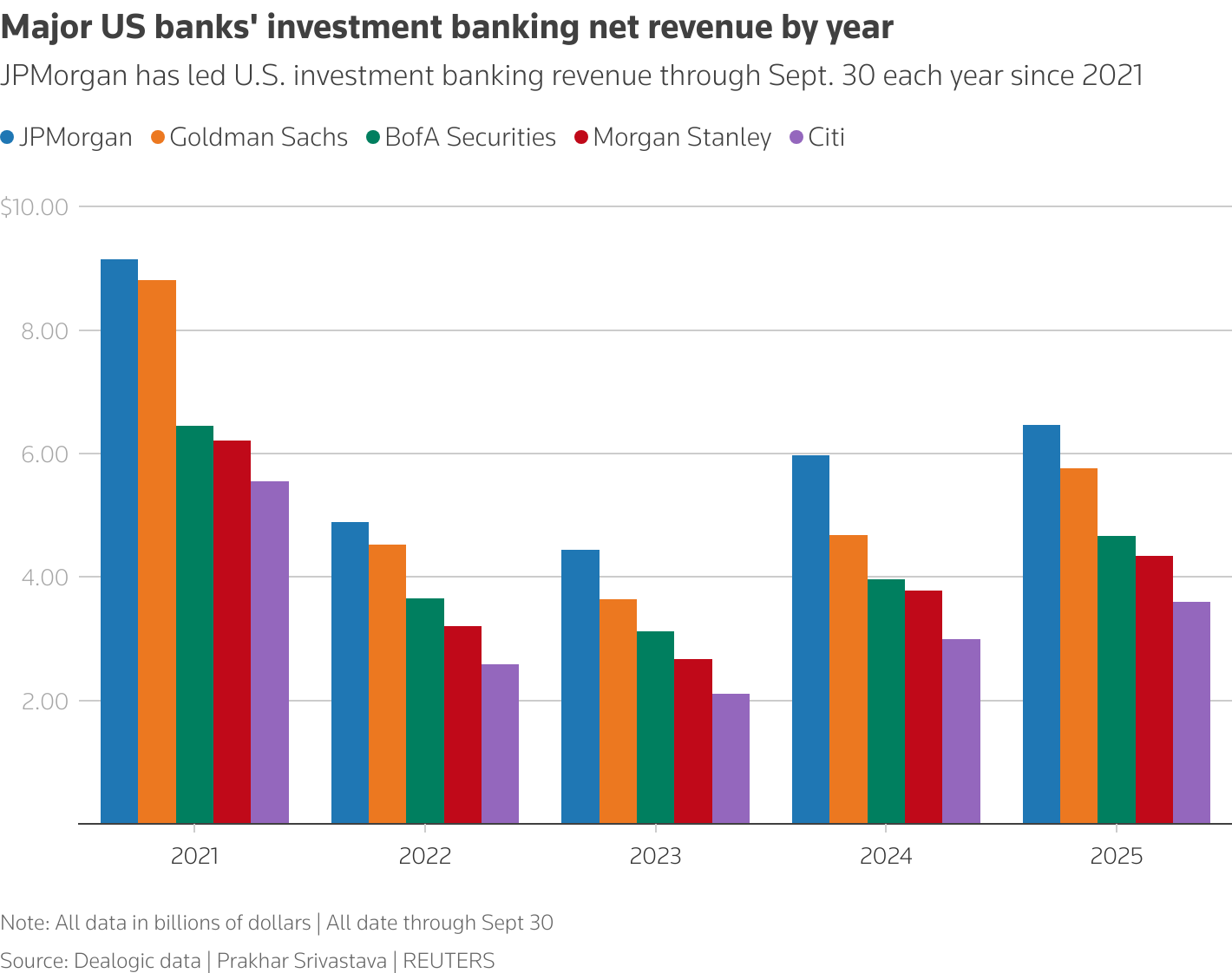
JPMorgan Chase posted $14.4 billion in net income, up 12% year-over-year. Revenue from investment banking and trading jumped 17% and 25%, respectively. -
Goldman Sachs saw profits surge 37% thanks to a 42% rise in investment banking activity, totaling $4.1 billion. -
Wells Fargo earned $5.6 billion, up 9% from Q3 2024, and raised its return-on-tangible-equity target to 17–18%. -
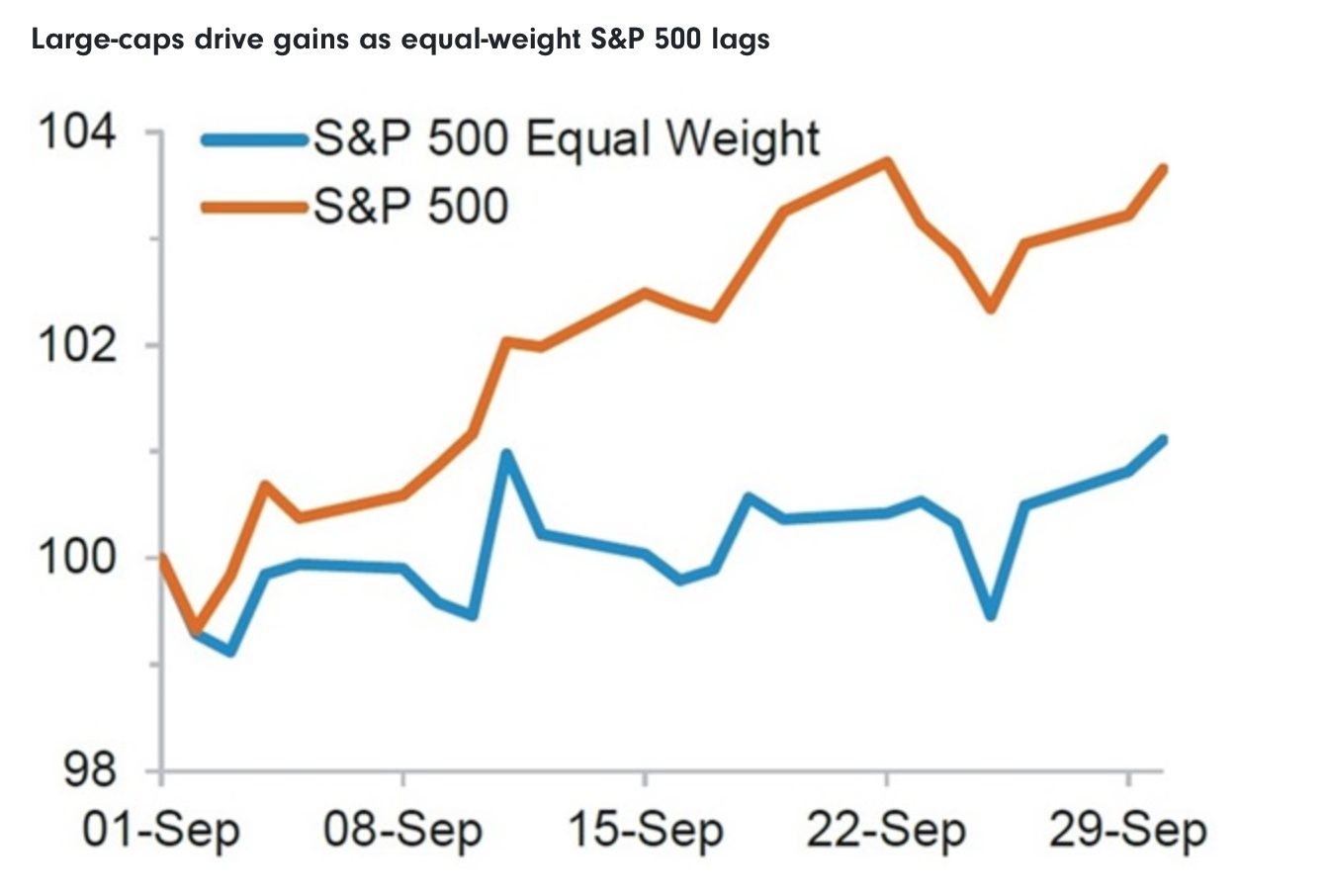
Citigroup posted a 17% gain in advisory fees, benefiting from both dealmaking and trading. A surge in mergers and IPOs, following months of trade-related hesitation, is one of the main reasons behind the comeback. Meanwhile, credit quality remains stable, with loan write-offs comfortably below pre-Covid averages despite growing economic fears. 📈 Forecasts meet reality Bank executives had predicted a solid quarter, and this week’s results are proving them right. “Profitability is good,” said Bank of America CFO Alastair Borthwick last month. “Cash flow is good. Corporate America is performing pretty well.” Goldman CEO David Solomon added that results would “reflect the strength of our client franchise in an improved market environment.” The past three months have been kind to big banks, thanks to strong consumer spending and record trade flows. Yet even the usually optimistic Dimon is staying on alert. “Significant risks persist — including from tariffs and trade uncertainty, worsening geopolitical conditions, high fiscal deficits, and elevated asset prices,” he said. | | | | 📈 Why AMD’s rally isn’t just another chip story | | | | Nvidia may be the undisputed king of the AI boom, but its closest rival is starting to make its move on Wall Street... 💡 Coming out of Nvidia’s shadow Few companies have driven a market cycle quite like Nvidia whose dominance in AI computing has powered much of this year’s bull run. But Nvidia's solo may be coming to an end. AMD announced this week that it will supply 50,000 MI450 AI chips to Oracle’s cloud program starting late next year. The deal follows its multibillion-dollar partnership with OpenAI to deploy 6 gigawatts of chips and take a 10% equity stake in the company. The back-to-back wins have given AMD a serious lift. Once seen as the underdog, the stock is now up 80% year-to-date. And now that Oracle’s supply base extends beyond Nvidia, Wall Street banks on a broader AI rally. 📉 The double-edged sword of a narrow rally Analysts have warned all year that Wall Street’s dependence on a few megacaps (mainly Nvidia and the “Mag 7”) can’t last forever. The S&P 500 Equal Weight Index keeps lagging behind the main benchmark, showing just how concentrated the market remains as the rally enters its third year. That’s why AMD’s comeback matters. It’s not just challenging Nvidia. It’s testing the idea that the AI boom has to revolve around a handful of trillion-dollar giants. According to BlackRock’s latest equity outlook, this imbalance is an opportunity in disguise. “We find many fundamentally strong large-cap stocks priced at a discount to their earnings potential today,” the firm wrote, urging investors to diversify as the market broadens out. | | | | Rate today's newsletter... | | | Your feedback matters! Take a sec and tell us how we did! | | | | | | | | | | | | InvestorsObserver | | You received this email because you signed up on our website or made a purchase from us. | | | | |