
Myprotein
Myprotein is Europe's leading online sports nutrition brand offering over 2,500 high-quality products including protein powders, supplements, vitamins, and activewear. Founded in 2004, the company manufactures most products in-house and sells directly to consumers worldwide at competitive prices.

-
Myprotein · Jul 13
-
Myprotein · Jul 12
-
Myprotein · Jul 06
-
Myprotein · Jul 05
-
Myprotein · Jul 04
-
Myprotein · Jun 23
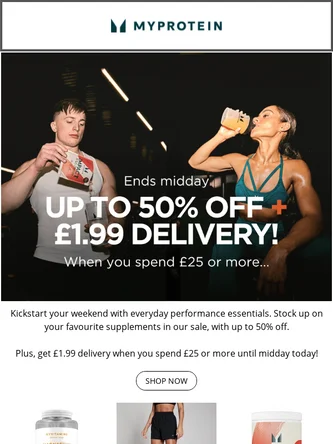
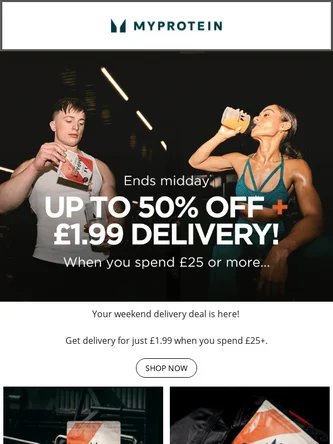
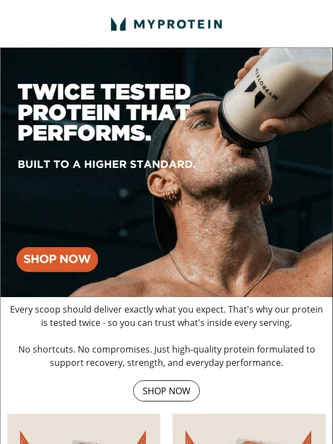
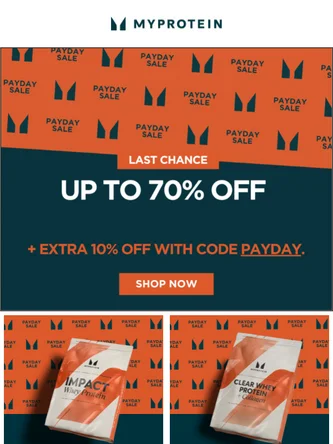
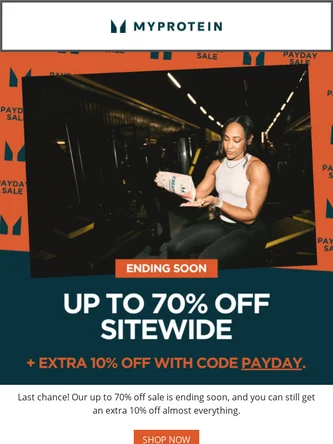
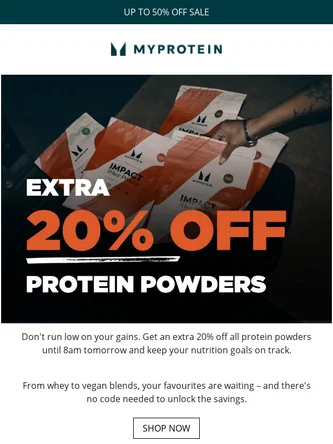


Myprotein weekly ad
View the most recent Myprotein ad to catch up on the latest specials, promotions and limited time offers.

Myprotein customer service
Use any of the convenient means below to contact Myprotein customer service.
| Phone | (844) 433-5147 |
| Web | https://us.myprotein.com/c/help-centre |
| [email protected] |

Returns
What is the return window?
You have 30 days from the date of receiving your order to initiate a return for clothing items, and 14 days to return your order under the 14-day return period policy for other items, which starts on the day after you received the item.
Do I need a receipt to return an item?
A returns authorization number must be obtained before attempting to return any items. The return process is initiated through your online account order history, which serves as proof of purchase.
Are there any items that are non-returnable?
Due to hygiene reasons, underwear and facemasks are non-returnable. Certain items, such as personalized products or perishable goods, may not be eligible for returns.
How will I receive my refund?
Once received, the company will refund the amount for the returned goods and send you a notification via email, which can take 3-5 working days from the date they receive the return, and your refund should be returned to your account within 5 working days. All successful returns will be credited to the original payment method, and refunds may take 3 to 5 working days (Monday to Friday, excluding bank holidays) to show in your account.
Who pays for return shipping?
Return shipping falls to the customer. Free UK returns are offered on all clothing items purchased on myprotein.com.

Editor's Take
So here's the thing about Myprotein-it's kind of become this massive player in sports nutrition without most Americans really noticing. Which is weird, right? Because we're talking about a brand that started with literally £500 and now pulls in hundreds of millions annually.
The story's actually pretty interesting. Back in 2004, this guy Oliver Cookson was hitting the gym regularly and kept buying protein powder from what was then the UK's leading brand. One day he looked at the tub and thought, "Wait, what even is this stuff?" A quick Google search later, he realized the industry was charging insane markups on what's basically a byproduct of cheese-making. Whey protein used to get thrown away-dairy companies saw it as waste. Cookson figured he could sell it cheaper and still make money.
And he was right. Starting with just an overdraft, he began buying bulk whey and selling it online. No fancy packaging, no celebrity endorsements, just good protein at prices that didn't make you wince. The brand grew fast-like, really fast. By 2011, The Hut Group (now THG) bought Myprotein for £60 million, which seemed like a lot until you see what it became.
Here's what makes them different: they manufacture most products in-house at their own facilities. That means no middlemen inflating costs. Their packaging is minimalist-sometimes almost boring-but that's intentional. Every pound not spent on flashy labels is a pound saved for customers. They sell directly online, cutting out retail markups entirely.
The product range is massive. Over 2,500 items spanning protein powders, amino acids, vitamins, pre-workouts, snacks, and even activewear. Their flagship Impact Whey Protein comes in something like 60+ flavors. Salted caramel, birthday cake, even limited editions like sakura strawberry for the Japanese market. Some flavors are hits, others are... experimental. But the variety means there's probably something you'll like.
Quality-wise, they've gotten serious about transparency. Myprotein products now carry Informed Protein certification-third-party testing that verifies the protein content matches what's on the label. In an industry where some brands spike their formulas with cheap amino acids to inflate protein numbers, that matters. No fillers, no nitrogen spiking, just what you paid for.
The pricing strategy is interesting-and sometimes confusing. There's always a sale. Always. You'll see "40% off everything" one week, "50% off" the next. Some customers love it, others find it gimmicky. The trick is knowing that the "regular" prices are inflated, so those discounts bring things to what they actually cost. It's a bit like mattress shopping-nobody pays full price.
They've also built this huge influencer network. Thousands of fitness YouTubers, Instagram trainers, and TikTok gym-goers have Myprotein codes. Type any fitness creator's name plus "Myprotein code" and you'll probably find one. It's smart marketing-grassroots, authentic (mostly), and it reaches people where they already are.
International expansion has been aggressive. They're in 70+ countries now, with localized websites, region-specific flavors, and partnerships everywhere from HYROX fitness races to Formula 1's Williams Racing team. In Japan alone, they saw 400% growth between 2017 and 2020 by adapting products to local tastes.
But it's not all smooth. Customer service complaints pop up regularly-delayed shipments, confusing discount codes, difficulty reaching support. The company's grown so fast that infrastructure sometimes struggles to keep up. And while the products are generally solid, quality can vary batch to batch, especially with newer or limited-edition items.
The sustainability angle is evolving. They've started recycling expired protein into fish feed (160+ tons so far), use recycled packaging materials, and launched an organic cotton clothing line. It's progress, though there's obviously more to do.
Myprotein carved out this space by making sports nutrition accessible. Not everyone can afford $60 tubs of boutique protein. Myprotein's approach-decent quality, massive variety, aggressive pricing-opened the market to regular people just trying to hit their macros. It's not perfect, and it's definitely not fancy. But for millions of people worldwide, it works.