
Niagara Falls
Niagara Falls is one of the world's most famous natural wonders, consisting of three waterfalls straddling the border between Canada and the United States. Over 12 million visitors annually experience the thundering power of 750,000 gallons of water cascading over the falls every second.

-
Niagara Falls · Jun 18
-
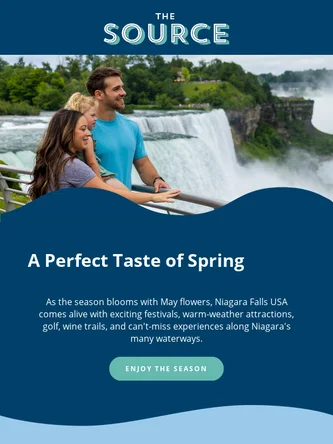
Niagara Falls · May 12
-
Niagara Falls · Apr 23
-
Niagara Falls · Mar 19
-
Niagara Falls · Feb 19
-
Niagara Falls · Jan 22


Niagara Falls customer service
Use any of the convenient means below to contact Niagara Falls customer service.
| Phone | (716) 282-8992 |
| Web | https://www.niagarafallsusa.com/contact-us |
| [email protected] |

Headquarters
10 Rainbow Boulevard
Niagara Falls, New York 14303
(716) 282-8992
[email protected]

Editor's Take
Here's the thing about Niagara Falls-it's not just a waterfall. I mean, yeah, it's technically three waterfalls (the American Falls, Bridal Veil Falls, and the massive Horseshoe Falls), but calling it "just a waterfall" is kind of like calling the Grand Canyon "just a ditch." Over 12 million people visit annually, and there's a reason for that.
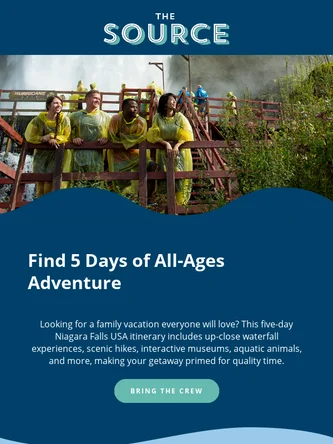
The sheer power is what gets you first. We're talking about 750,000 gallons of water thundering over the edge every single second during peak flow. That's not a typo. Every. Single. Second. And you can get ridiculously close to it-close enough that you'll need a poncho, close enough that the mist creates rainbows on sunny days, close enough that you'll feel it in your chest.
But here's what surprised me: Niagara Falls straddles two countries, and the experience is genuinely different depending which side you're on. The Canadian side (Ontario) gives you that postcard-perfect view-you're looking straight at the Horseshoe Falls, which is the big one. It's also got Clifton Hill, this wonderfully kitschy street packed with wax museums, haunted houses, and restaurants that look like they were designed by someone who'd never heard of subtlety. The American side (New York) gets you closer to the action. Niagara Falls State Park is open 365 days a year, and it's always free to walk into the park and experience the Falls. It's actually America's oldest state park, established way back in 1885.
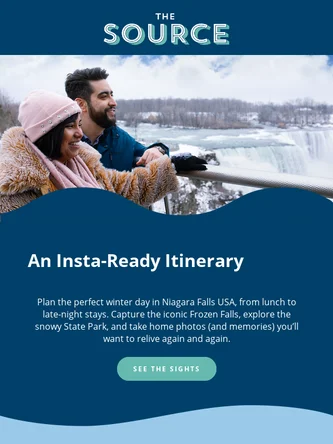
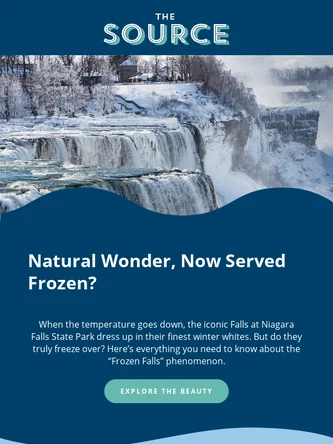
Notice how the Falls never really go out of style? That's because every season offers something different. Summer's obviously peak season-warm weather, all attractions running, but also maximum crowds and hotel prices. Winter, though? That's when things get wild. The Falls don't freeze solid (despite what some viral photos suggest), but ice formations build up around them, creating this otherworldly frozen landscape. And you can still visit-the park's open 24/7, year-round.
The Maid of the Mist boat tour is basically mandatory. It's been running since the 1840s, and the modern fleet is all-electric now. They hand you a poncho, but let's be real-you're getting soaked anyway. The boat takes you right into the spray zone at the base of the Horseshoe Falls. It's loud, it's wet, and it's absolutely worth it.
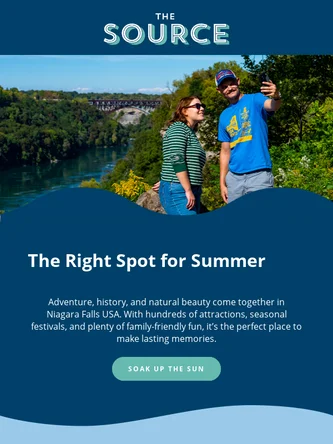
What's interesting is how the area has evolved. The Canadian side leans into the tourist experience with casinos, fancy hotels with "Fallsview" rooms, and that whole Clifton Hill entertainment district. The American side keeps things more natural and park-focused, with miles of hiking trails along the Niagara Gorge. Both approaches work.
And here's something most people don't think about: the Falls are illuminated every single night with colored lights. Year-round. Plus fireworks on select nights during the season. So if you're only doing a day trip, you're missing half the show.
The wine country nearby (especially on the Canadian side in the Niagara Peninsula) is legitimately world-class. Ice wine is the specialty-they let the grapes freeze on the vine, then harvest them in the dead of winter. Sounds crazy, tastes incredible.
One more thing: if you're driving from Toronto, it's about 90 minutes. From Buffalo, maybe 30 minutes. From New York City? That's a solid 7-8 hour drive, so maybe fly into Buffalo instead. And yes, you need a passport if you're crossing between the US and Canada, even just to walk across the Rainbow Bridge for a different view.
The Falls themselves are about 12,000 years old, carved out by glacial meltwater at the end of the last Ice Age. They're actually moving upstream-eroding backwards at a rate of about a foot per year. In another 50,000 years or so, they'll have eroded all the way back to Lake Erie and cease to exist. But that's a problem for future generations.