A closer look at vitamin K₂ and the MK-7 form. ͏ ͏ ͏ ͏ ͏ ͏ ͏ ͏ ͏ ͏ ͏ ͏ ͏ ͏ ͏ ͏ ͏ ͏ ͏ ͏ ͏ ͏ ͏ ͏ ͏ ͏ ͏ ͏ ͏ ͏ ͏ ͏ ͏ ͏ ͏ ͏ ͏ ͏ ͏ ͏ ͏ ͏ ͏ ͏ ͏ ͏ ͏ ͏ ͏ ͏ ͏ ͏ ͏ ͏ ͏ ͏ ͏ ͏ ͏ ͏ ͏ ͏ ͏ ͏ ͏ ͏ ͏ ͏ ͏ ͏ ͏ ͏ ͏ ͏ ͏ ͏ ͏ ͏ ͏ ͏ ͏ ͏ ͏ ͏ ͏ ͏ ͏ ͏ ͏ ͏ ͏ ͏ ͏ ͏ ͏ ͏ ͏ ͏ ͏ ͏ ͏ ͏ ͏ ͏ ͏ ͏ ͏ ͏ ͏ ͏ ͏ ͏ ͏ ͏ ͏ ͏ ͏ ͏ ͏ ͏ ͏ ͏ ͏ ͏ ͏ ͏ ͏ ͏ ͏ ͏ ͏ ͏ ͏ ͏ ͏ ͏ ͏ ͏ ͏ ͏ ͏ ͏ ͏ ͏ ͏ ͏ ͏ ͏ ͏ ͏

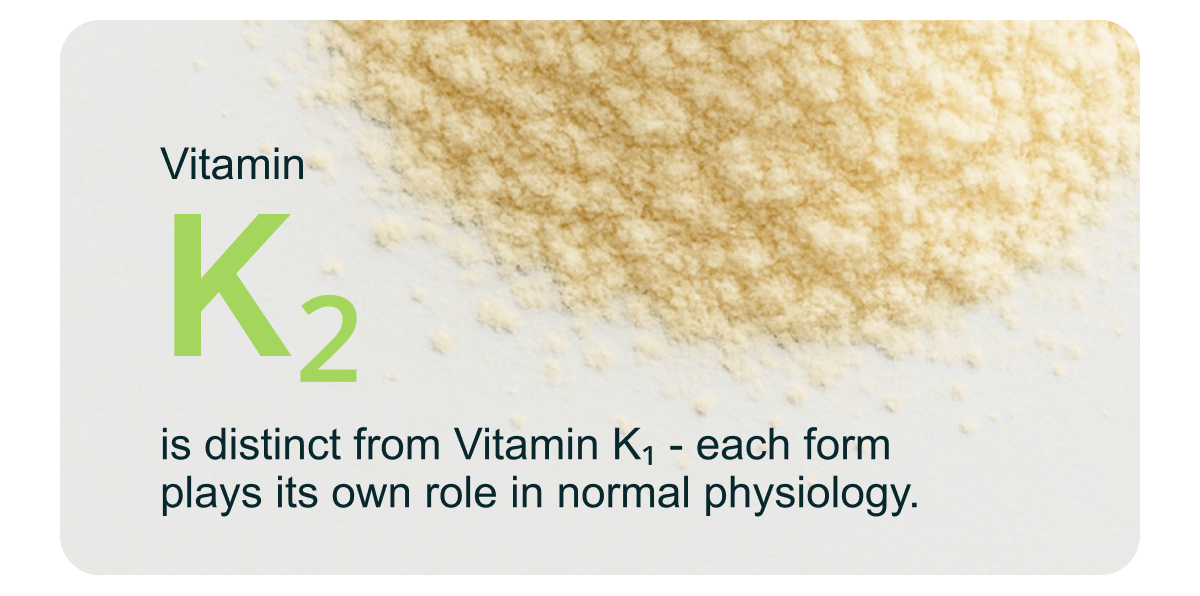
The vitamin many people overlook and why MK-7 is included in Good Green Vitality Vitamin K₂ is distinct from vitamin K₁. While they are related, each form plays its own role in normal human physiology.*
Vitamin K₂ (specifically the MK-7 form) is often highlighted in nutrition research and supplement formulation because of how it behaves in the body and how it can be reliably measured.
| | | | |
Here’s a closer look at why MK-7 is used. | | What makes vitamin K₂ (MK-7) interesting? Vitamin K₂ (MK-7) occurs naturally in small amounts in certain fermented foods, such as natto and kimchi. It continues to be an area of scientific interest because: - Different forms of vitamin K behave differently in the body
- MK-7 remains in the body longer than vitamin K₁
- Its naturally occurring food sources are relatively uncommon in many everyday diets
For these reasons, MK-7 is the most widely studied and commonly used form of vitamin K₂ in nutritional supplements. | | What research has looked at Scientific research has examined how MK-7 is involved with vitamin-K-dependent proteins that play a role in normal bone and vascular processes.* These studies focus on nutrient utilisation and physiological function, rather than therapeutic outcomes. | | Why MK-7 is included in Good Green Vitality In the body, vitamin K₂ (MK-7) contributes to: - Normal bone maintenance*
- Normal blood clotting*
- A broader intake of fat-soluble nutrients
- A form of vitamin K₂ that can be accurately measured and standardised
Including MK-7 helps add nutritional variety that everyday meals may not always provide. | | | | |
Vitamin K₂ (MK-7) is included in Good Green Vitality — a thoughtfully formulated blend designed to be simple to include in daily routines. | | References - Schurgers, L. J., et al. (2007). Vitamin K–containing dietary supplements: comparison of synthetic vitamin K1 and MK-7. Blood.
- Knapen, M. H. J., et al. (2015). Vitamin K2 supplementation and vitamin K–dependent proteins. Thrombosis and Haemostasis.
- Booth, S. L. (2012). Vitamin K and bone health. Nutrition in Clinical Practice.
- Shearer, M. J. (1995). Vitamin K. The Lancet.
| | Disclaimer
*As part of a healthy, varied diet. Statements refer to recognized nutritional functions and general human physiology and are not intended to imply therapeutic benefit. | | | | |
Nuzest USA, 30 N Gould St Ste R Sheridan, 82801 | | | | |