Here's what the world-renowned Mayo Clinic suggests as the foundations of a heart-healthy diet.
Enjoy healthy portions
Choose healthy fats
Eat whole grains
Eat more fruits and vegetables
Choose low-fat proteins
Reduce your sodium
Plan out your weekly menu
Allow yourself the occasional treat
Healthy foods should never be flavorless or bland. Quite the opposite. A Mediterranean diet is just one example of a world of colorful and richly flavorful cuisines that use lean meats and healthy fats as their main ingredients.
#2 EXERCISE
Heart-healthy exercise does not mean punishing yourself at the gym. In fact, the amount of physical activity recommended for baseline heart health is a lot less intense than you might think. Moderately intense, steady exercise is best. If you can get out a few words while you're walking, cycling, or swimming, but not quite a full sentence, that's just about right.
How long and how often should I exercise? Generally, getting 30 to 40 minutes of exercise per day is optimal. You can even split exercise into 10-minute intervals and still have it be effective.
Activity trackers can help you plan and monitor your workouts. If you're dealing with an existing health issue such as heart disease, diabetes, or obesity, make sure you talk to your doctor about the right amount of exercise and start out slow. Here are the three essential parts of a good workout:
1. Warm-up 2. Conditioning 3. Cool-down
#3 GO TO THE DOCTOR
Did you know that women are far more likely to go to the doctor for preventative services than men and also live 5 years longer than men on average[2][3]? Men, on the other hand, tend to wait to visit a doctor until there's something seriously wrong. Getting regular checkups allows for early intervention and treatment, which is one of the best defenses for preventing health-related problems[4].
#4 MONITOR YOUR BLOOD PRESSURE
Long-term damage from high blood pressure can lead to heart attack and stroke. Yet nearly 1 in 2 American adults suffers from high blood pressure, and 1 in 5 is completely unaware of it.[5]
Monitoring your blood pressure regularly with an at-home blood pressure monitor is one of the most important methods for preventing a cardiac event.
Don’t let it be a silent threat – regular monitoring at home can save your life by catching warning signs early.
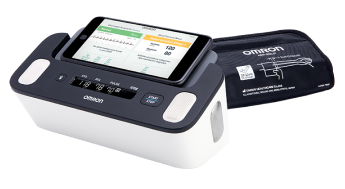
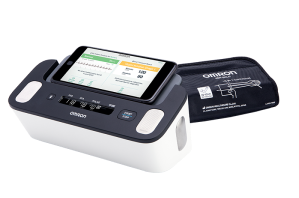
Complete™ Wireless Upper Arm Blood Pressure Monitor + EKG
Early detection, better outcomes
Spotting AFib signs early from home can prevent more serious complications with timely and effective interventions.
Enhance your doctor's insight
Reliable and consistent data from home assists in tailoring optimal treatment strategies.
Know when to seek help
Home monitoring delivers definitive readings so you know if there's an irregularity, reducing the stress of uncertainty.
Post-procedure assurance
Helps with monitoring progress after surgical interventions, ensuring care that goes beyond the doctor's office.
Early detection, better outcomes
Spotting AFib signs early from home can prevent more serious complications with timely and effective interventions.
Know when to seek help
Home monitoring delivers definitive readings so you'll know if there's a heart rhythm irregularity, reducing the stress of uncertainty.
Enhance your doctor's insight
Reliable and consistent data from home assists in tailoring optimal treatment strategies.
Post-procedure assurance
Helps with monitoring progress after surgical interventions, ensuring care that goes beyond the doctor's office.
You received this email because you have opted into the OMRON Healthcare Email Newsletter List. To help ensure you receive emails from OMRON Healthcare in the future, add "[email protected]" to your address book.
If you'd rather not receive updates, marketing, or promotional emails from us, click here to unsubscribe.
The products, prices and promotions are applicable on OmronHealthcare.com to US customers only and are subject to change.