Package Free
Package Free is a zero-waste lifestyle retailer offering sustainable, plastic-free alternatives to everyday products. Founded by Lauren Singer in 2017, the company provides eco-friendly products for home, personal care, cleaning, and more, all shipped 100% plastic-free.

-
Package Free · Sep 09
-
Package Free · Aug 25
-
Package Free · Aug 18
-
Package Free · Aug 11
-
Package Free · Aug 04
-
Package Free · Jul 16


Package Free customer service
Use any of the convenient means below to contact Package Free customer service.

Headquarters
424 Bedford Avenue #3B
Brooklyn, NY 11249
[email protected]

Returns
Are there any items that are non-returnable?
Package Free has a strict no-returns policy because they're deeply committed to their environmental mission, and online retail returns have a significant negative impact. Returns generate 5 billion pounds of landfill waste and 1.6 billion gallons of diesel fuel burned, resulting in 15 million metric tons of CO2 emissions in the U.S. In 2017, returns accounted for $380 billion worth of goods.
What if I received a damaged or incorrect item?
A Product that you purchase may be accompanied by a manufacturer's warranty. All matters relating to any manufacturer's warranty run strictly between you and the manufacturer; to receive warranty coverage, you agree to follow the instructions included in the manufacturer's warranty to obtain warranty service, including for any Product defects.
How do I start a return online?
Please contact us at [email protected] with your order number and we will do our best to accommodate if the order has not been processed for shipment.

Editor's Take
So here's the thing about Package Free-it's basically what happens when someone gets so fed up with plastic waste that they decide to build an entire business around the solution. Founded by Lauren Singer (you might know her as "the girl with the jar" who fit 8 years of trash into one mason jar), the company started in 2017 as a 3-month popup shop in Williamsburg, Brooklyn. Spoiler: it never closed.
What makes Package Free different isn't just that they sell sustainable stuff-lots of companies do that now. It's that they're genuinely obsessive about it. Everything they carry is vetted by their team of sustainability experts to ensure it meets the Package Free Standard, a core criteria and system of values that evaluates a product's ingredients, packaging, and end of life. And they're not messing around with that standard either. They require that all shipments to their shop come 100% plastic free (including bio-based or compostable plastics), and shipments that violate these guidelines get returned to the brands. Kind of harsh? Maybe. But that's the point.
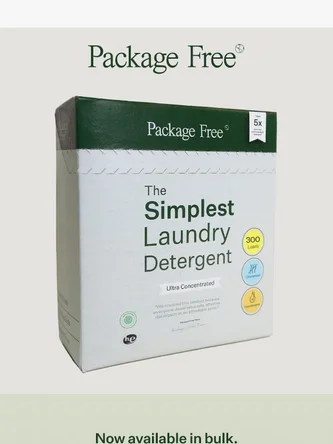
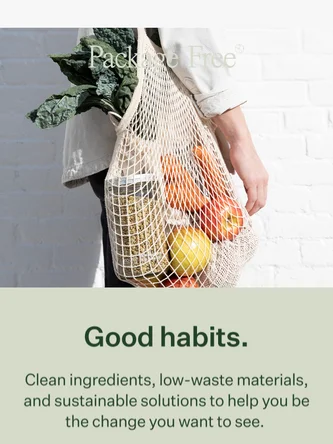
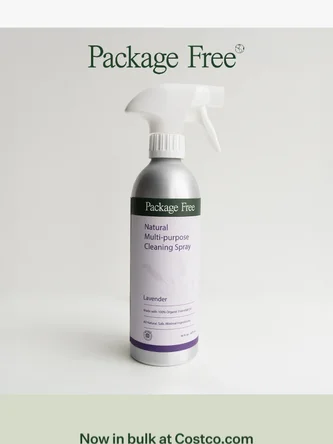
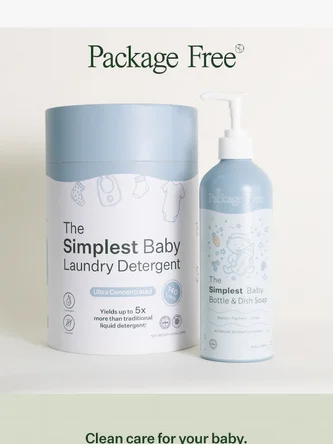
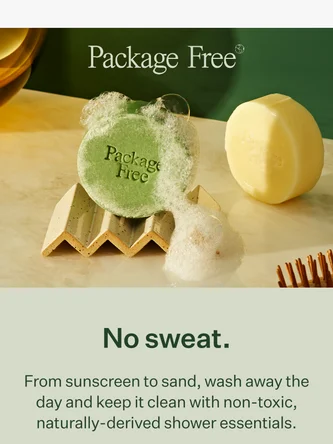
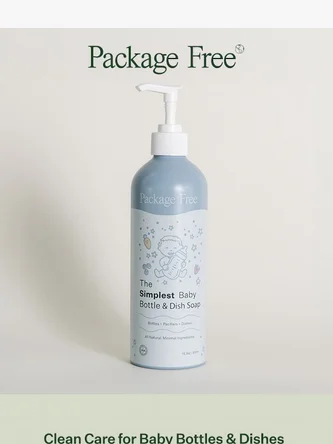
The product range is pretty comprehensive-think bamboo toothbrushes, reusable food storage, cleaning supplies, personal care items, even pet and baby products. They provide the most sustainable versions of products that you use daily, using zero or minimal packaging and eliminating single-use plastic from your everyday routines. Notice how they say "products you use daily"-that's intentional. This isn't about buying MORE stuff; it's about replacing the disposable things you're already buying with versions that don't end up in a landfill.
Here's where it gets interesting from an environmental impact perspective. The average American produces 4.4 lbs of trash per day, which ends up in landfills where it creates methane gas that's 100x more potent than carbon dioxide over a couple of decades, and our growing landfills are a top 3 source of methane. So when Package Free talks about reducing waste, they're not just being trendy-they're targeting one of the biggest contributors to climate change.
The company ships everything plastic-free too, which sounds simple until you realize how much of e-commerce relies on bubble wrap and plastic mailers. They ship everything 100% plastic free in an upcycled or 100% post-consumer box with paper wrapping and paper tape, and all shipping materials are 100% recyclable and compostable.
They've got a physical pop-up shop in Manhattan's NoHo neighborhood now, but the online store is where most people probably shop. And yeah, the prices can be higher than conventional products-that's the reality of sustainable manufacturing at smaller scales. But in 2019, they took on venture partners to grow Package Free in order to create sustainable products at economies of scale that make them accessible to the masses, so there's at least an intention to make this stuff more affordable over time.
Package Free isn't perfect-no company is-but they're walking the walk in ways that actually matter. They're not just slapping "eco-friendly" on regular products and calling it a day. They're building supply chains, setting standards, and proving that zero-waste retail can actually work as a business model. Whether that's enough to move the needle on our waste crisis is another question entirely, but at least someone's trying.