What Centenarians Eat - and How You Can Supplement It ͏ ͏ ͏ ͏ ͏ ͏ ͏ ͏ ͏ ͏ ͏ ͏ ͏ ͏ ͏ ͏ ͏ ͏ ͏ ͏ ͏ ͏ ͏ ͏ ͏ ͏ ͏ ͏ ͏ ͏ ͏ ͏ ͏ ͏ ͏ ͏ ͏ ͏ ͏ ͏ ͏ ͏ ͏ ͏ ͏ ͏ ͏ ͏ ͏ ͏ ͏ ͏ ͏ ͏ ͏ ͏ ͏ ͏ ͏ ͏ ͏ ͏ ͏ ͏ ͏ ͏ ͏ ͏ ͏ ͏ ͏ ͏ ͏ ͏ ͏ ͏ ͏ ͏ ͏ ͏ ͏ ͏ ͏ ͏ ͏ ͏ ͏ ͏ ͏ ͏ ͏ ͏ ͏ ͏ ͏ ͏ ͏ ͏ ͏ ͏ ͏ ͏ ͏ ͏ ͏ ͏ ͏ ͏ ͏ ͏ ͏ ͏ ͏ ͏ ͏ ͏ ͏ ͏ ͏ ͏ ͏ ͏ ͏ ͏ ͏ ͏ ͏ ͏ ͏ ͏ ͏ ͏ ͏ ͏ ͏ ͏ ͏ ͏ ͏ ͏ ͏ ͏ ͏ ͏ ͏ ͏ ͏ ͏ ͏ ͏

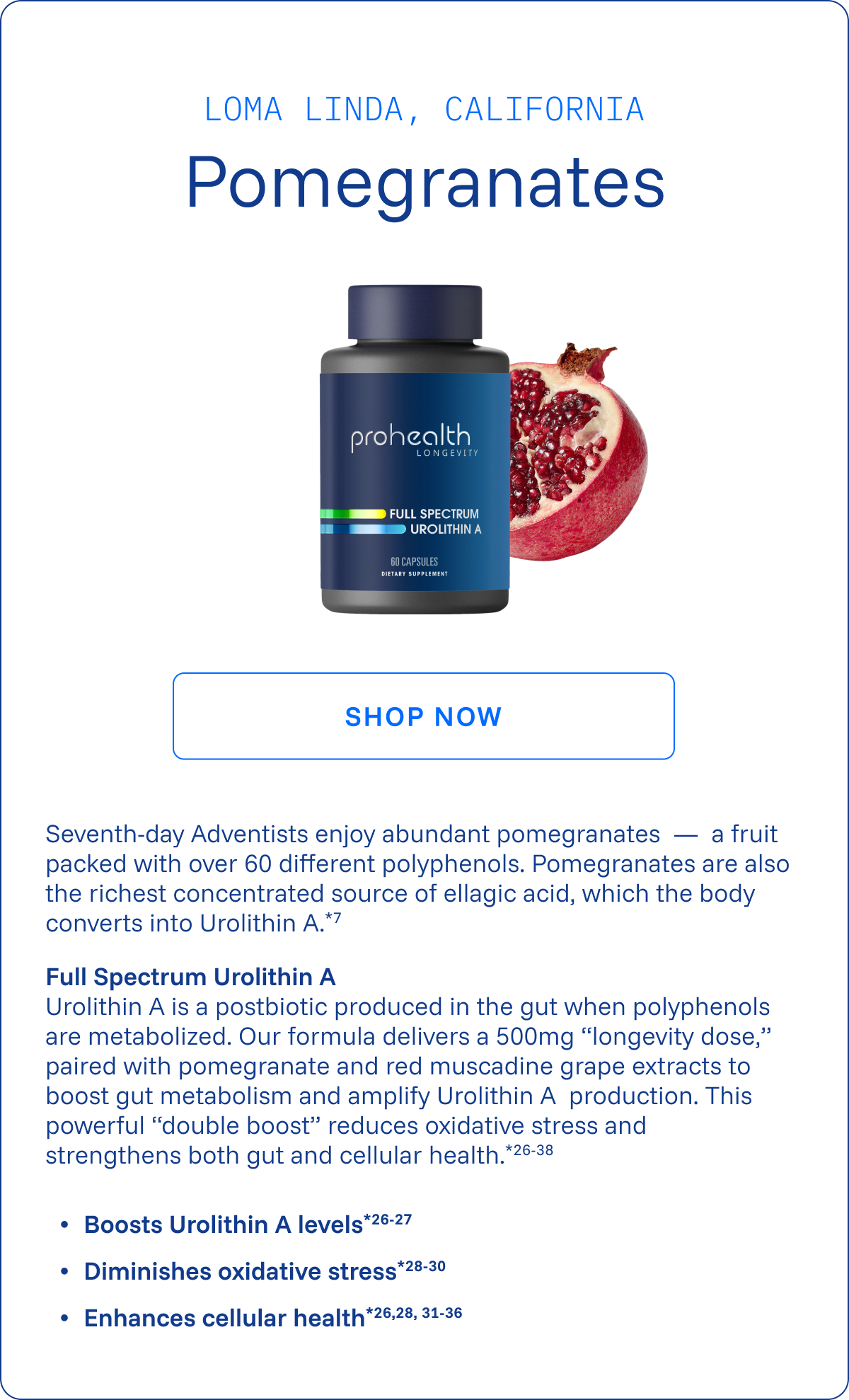
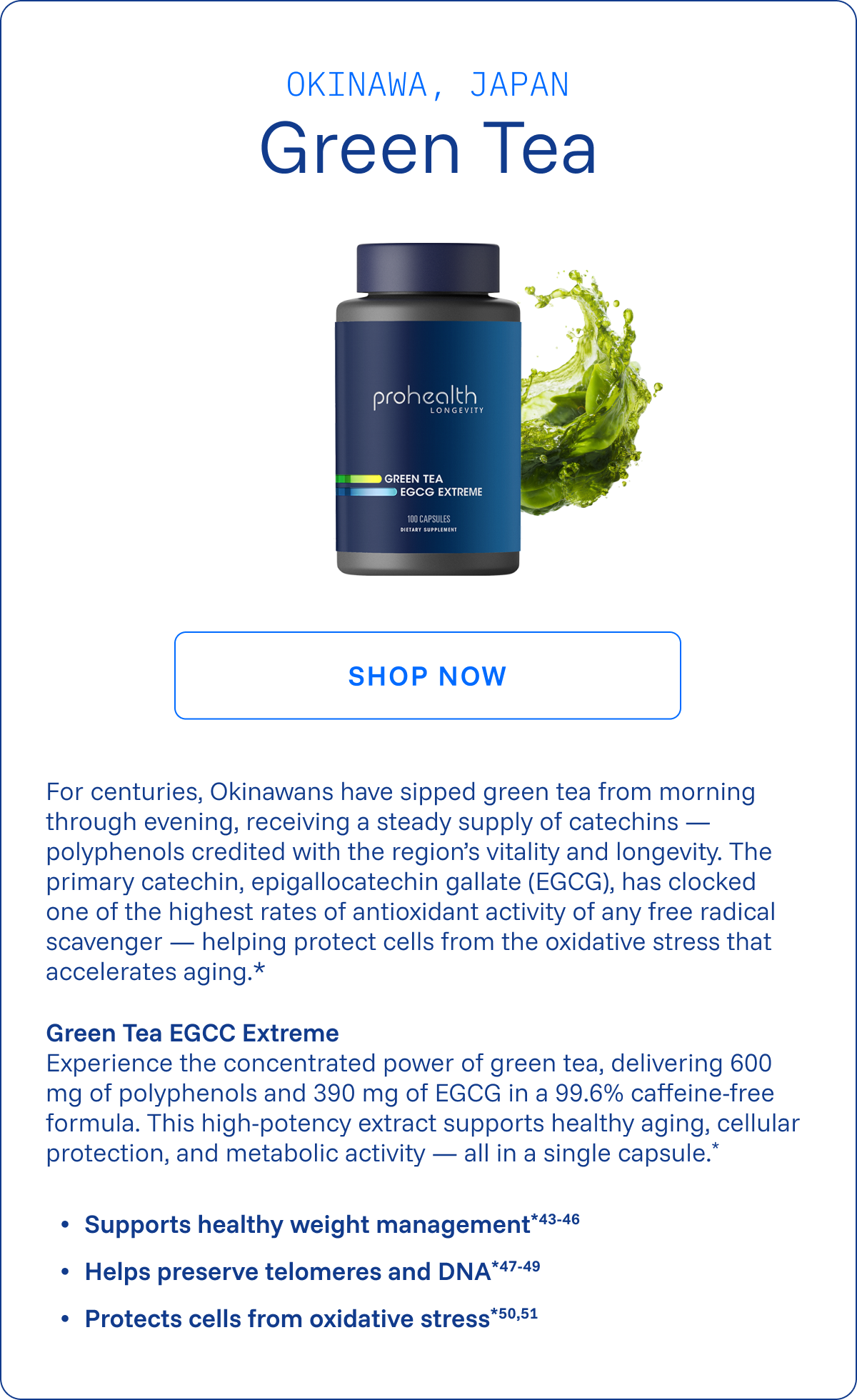
October is International Longevity Month — a time to celebrate the science of aging well. Around the globe, people in Blue Zones are living vibrant, healthy lives well into their 90s and beyond. Their shared secret? Diets rich in polyphenols, natural plant compounds that fuel healthy aging.* A new review in Ageing Research Reviews uncovers that polyphenols — found in olive oil, green tea, red wine, and pomegranates — do more than just nourish. Researchers write that polyphenols “exhibit geroprotective effects, increasing both lifespan and healthspan in model organisms.” Polyphenols target all 12 hallmarks of aging, from protecting DNA to supporting mitochondrial renewal and helping support a healthy inflammatory response — all central to sustaining vitality across the years.*7 | | | | |
View references here
* These statements have not been evaluated by the Food and Drug Administration. These products are not intended to diagnose, treat, cure, or prevent any disease. Individual results may vary. | | | | |