
Reformation
Reformation is a sustainable fashion brand founded in 2009 that combines stylish, vintage-inspired designs with eco-friendly practices. The brand is known for its transparency in environmental impact and commitment to sustainable manufacturing.

-
Reformation · Jul 15
-
Reformation · Jul 13
-
Reformation · Jul 08
-
Reformation · Jul 06
-
Reformation · Jul 01
-
Reformation · Jun 29


Reformation customer service
Use any of the convenient means below to contact Reformation customer service.
| Phone | (855) 756-0560 |
| Web | https://help.thereformation.com |
| [email protected] |

Reformation jobs
We're growing fast and want to hear from forward-thinkers who aren't afraid to challenge industry standards - bonus points if you're dog-friendly. Check out our open spots.
View current Reformation jobs
Headquarters
2263 East Vernon Avenue
Vernon, CA 90058
(855) 756-0560
[email protected]

Returns
What is the return window?
You have 30 days to return items. For in-store purchases, you have 30 days to bring it back to the store. Returns must be returned to a store within 30 days after the delivery date for online orders.
Are there any items that are non-returnable?
All apothecary, lingerie, hosiery, pierced jewelry, eyewear, vintage, and final sale items are final sale. Final Sale items cannot be returned, and no exceptions will be made for sizing, fit, or fabric issues.
How will I receive my refund?
Your refund will be credited to the original form of payment used to make the purchase. If applicable, a return shipping fee will be deducted from your refund.
Can I return online purchases in-store?
Yes, returns must be returned to a store within 30 days after the delivery date. Returns are not accepted 30 days beyond the delivery date.
Who pays for return shipping?
Returns made within 30 days are free if dropped off and scanned by carrier or returned to store. The return fee applies to all returned orders with one fee per order, which is $8 for US customers.

Reformation hours
| Sunday | 11:00am - 6:00pm |
| Monday | 10:00am - 7:00pm |
| Tuesday | 10:00am - 7:00pm |
| Wednesday | 10:00am - 7:00pm |
| Thursday | 10:00am - 7:00pm |
| Friday | 10:00am - 7:00pm |
| Saturday | 10:00am - 7:00pm |
Hours may vary by location and be modified due to holidays or events. Be sure to verify the current operating hours for your local Reformation.
Check my Reformation hours
Editor's Take
So here's the thing about Reformation-it's basically the brand that made sustainable fashion actually cool. And that's not nothing.
Founded back in 2009 in Los Angeles, Reformation started out selling reworked vintage pieces from a tiny storefront. But they quickly figured out something important: people wanted clothes that didn't trash the planet, but they also wanted to look good. Like, really good. The kind of good that gets you compliments at weddings and makes your Instagram pop.
What sets them apart is this whole transparency thing they've got going on. They created something called RefScale that tracks the carbon and water footprint of every single product. You can literally see on each product page exactly what environmental impact that dress you're eyeing has. It's kind of genius, actually-making the invisible visible. They publish quarterly sustainability reports too, which is pretty rare for a fashion brand of their size.
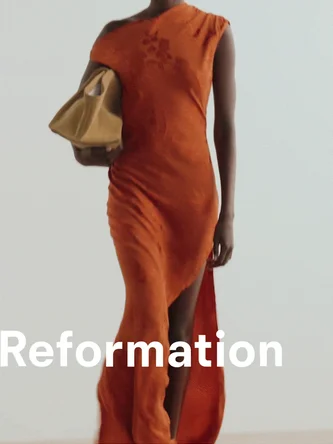
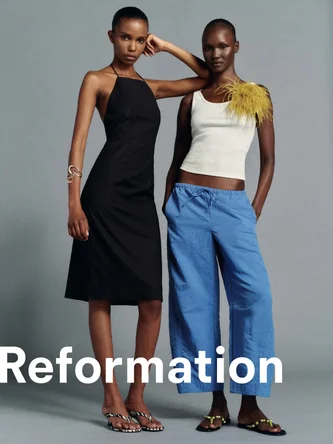
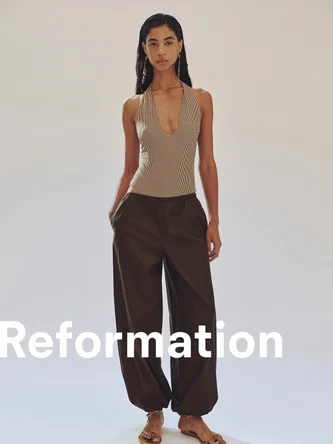
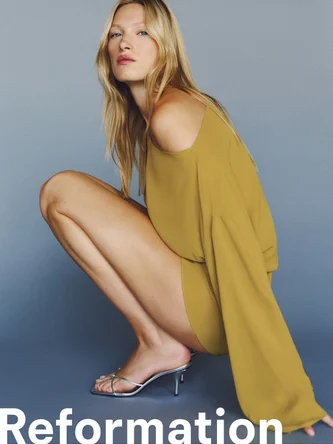
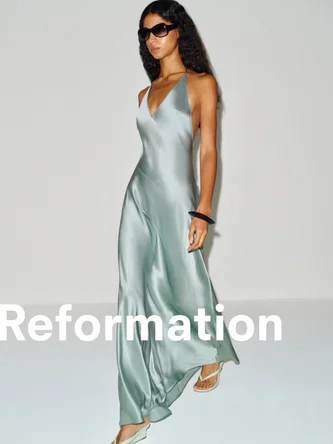
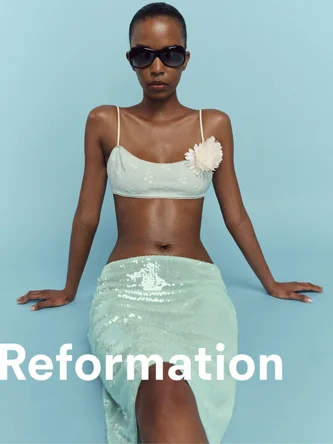
The clothes themselves? Think vintage-inspired silhouettes, lots of dresses (they're basically famous for their dress line), and that effortless LA aesthetic. Celebrities love them-Taylor Swift, Meghan Markle, Jennifer Lopez have all been spotted wearing Ref. But it's not just about the famous people. The brand has built this massive following of regular folks who want to feel good about what they're wearing, both literally and ethically.
Here's where it gets interesting though. Reformation operates on what some might call a "fast fashion" model-they drop new styles constantly, sometimes 70 products at a time. But they argue it's different because they produce limited quantities based on actual demand, and their stuff sells out. What starts as a sketch can become a finished piece in as little as 45 days. They're not making massive quantities that end up in landfills.
They run their own sustainable factory in Los Angeles where over half their cutting and sewing happens, and they're pretty serious about their supply chain. The brand audits factories regularly and uses a color-coded rating system to make sure partners meet their standards. They've committed to sourcing 100% of their fabrics from recycled, regenerative, or renewable materials. That's a big deal.
The materials they use are mostly the good stuff-recycled polyester, TENCEL Lyocell, organic cotton, linen, deadstock fabrics. They've figured out that fabrics determine about two-thirds of a garment's environmental impact, so that's where they focus. They also recycle about 75% of their waste and have this RefRecycling program where you can send back old Reformation pieces for store credit.
But let's be real-they're not perfect. Only about 22% of their suppliers pay a living wage, though they say they're working on it. Some of their international factories are in countries with higher risks of labor issues. And while nearly half their fabrics are sustainable, they still use conventional materials too. Plus, not everything they make is recyclable because of mixed fibers.
The price point reflects all this effort. You're looking at around $78 for sweatshirts, $168 for jeans, and dresses that range from under $200 to several hundred dollars. It's definitely an investment, not fast fashion pricing.
What's kind of brilliant about Reformation is how they've positioned sustainability as aspirational rather than preachy. Their tagline-"Being naked is the #1 most sustainable option. We're #2"-is cheeky and memorable. They've made being environmentally conscious feel like the cool choice, not the sacrifice.
Notice how Reformation doesn't just talk about being sustainable-they show you the numbers, the processes, the actual impact. In an industry drowning in greenwashing, that level of transparency stands out. Whether they can maintain that as they continue to scale is the big question. But for now, they're proving that fashion and sustainability can coexist, even if it's not a perfect marriage yet.