
Shein
Shein is a global online fashion and lifestyle retailer offering trendy clothing, accessories, shoes, and home goods at affordable prices. Founded in 2008, the company has become the world's largest online-only fashion retailer, known for its data-driven approach and rapid inventory turnover.

-
Shein · Jul 11
-
Shein · Jul 11
-
Shein · Jul 04
-
Shein · Jul 04
-
Shein · Jun 28
-
Shein · Jun 27

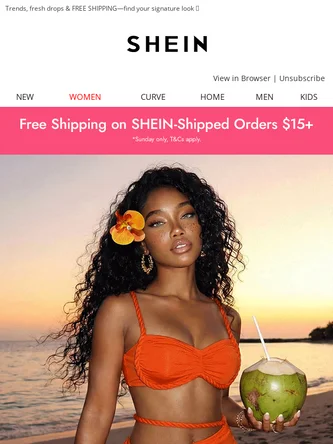
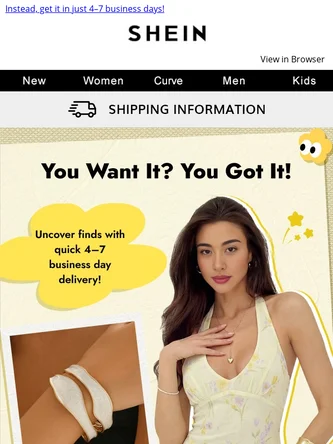
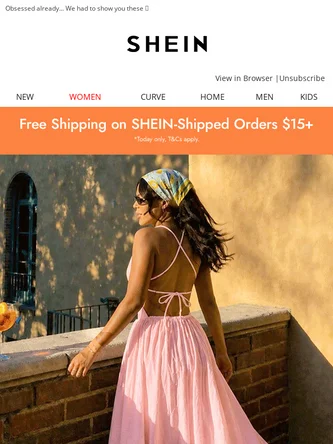
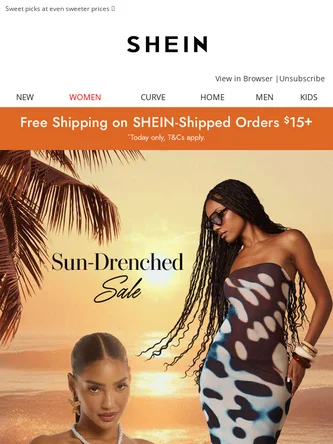


Shein customer service
Use any of the convenient means below to contact Shein customer service.

Shein jobs
In SHEIN, we work with outstanding, creative, and capable peers. We share an energetic and open culture for capable people to discern, work and ignite as a team. Headquartered in Singapore, SHEIN remains committed to making the beauty of fashion accessible to all, promoting its industry-leading, on-demand production methodology, for a smarter, future-ready industry.
View current Shein jobs
Returns
What is the return window?
Most items sold on SHEIN.com may be returned within 30 days from the delivery date with some exceptions if they meet all applicable return requirements listed in this Return Policy.
Are there any items that are non-returnable?
Some items like lingerie and beauty products are non-returnable. For hygiene and safety reasons, certain personal care items and intimate apparel cannot be returned to Shein.
How will I receive my refund?
The refund will be issued to the original payment method or your SHEIN Wallet, per your request. Refunds take about 5 to 10 business days.
Who pays for return shipping?
The first return from each order is free. For subsequent returns, a £2.50 fee is deducted from your refund.
How do I start a return online?
Go to "My Orders" and find the order that contains the item(s) you would like to return and click "Order Details". Then click the "Return Item" button, select the item(s) you would like to return, indicate the reason, and click "Next Step."

Editor's Take
So here's the thing about Shein-it's basically become the poster child for how fast fashion went digital and never looked back. Founded in China in 2008 by entrepreneur and search engine optimization (SEO) marketing specialist Chris Xu, this company figured out something most traditional retailers are still trying to crack: how to turn social media scrolling into actual sales at a scale that's kind of mind-boggling.
The numbers tell a wild story. Sales in 2022 were $23 billion. That's not a typo. And it's not just about cheap prices-though yeah, those $5 t-shirts definitely help. What makes Shein different is this whole data-driven approach where they're constantly monitoring what's trending on TikTok and Instagram, then getting those styles manufactured and online in what feels like minutes. By using this rapid and disruptive sourcing-production-outlay business model, Shein has reduced inventory turnover to just 30 days compared to an industry average of 150 days.
But let's talk about the elephant in the room. The company's been pretty secretive about its operations, and that's raised eyebrows. They've faced criticism about labor practices, environmental impact, and transparency issues. The brand has distribution centers scattered globally now-places like Indiana, California, and Canada-trying to speed up delivery times for Western customers who've gotten used to Amazon-level expectations.
What's really interesting is how Shein cracked the Gen Z code. Using social media as an asset has brought Shein a total of 250 million followers across Instagram, TikTok, and other social media platforms. They turned shopping into content creation-those "haul videos" where influencers unbox massive orders became free advertising that traditional brands would've paid millions for. The app itself is designed to feel like scrolling through social media, with random discounts popping up to create that dopamine hit of finding a deal.
As of October 2020, Shein was the world's largest online-only fashion firm. They've expanded way beyond just women's clothing too-now it's men's wear, kids' stuff, home goods, beauty products, basically anything you can impulse-buy at 2 AM while scrolling your phone. The company's headquartered in Singapore now, though it maintains strong ties to its manufacturing base in China.
The whole operation runs on algorithms and data in a way that feels very 2020s. They're not really designing fashion in the traditional sense-they're responding to what the internet says is cool right this second, producing small batches, and if something takes off, they make more. If it flops, they're not stuck with warehouses full of inventory. It's fast fashion taken to its logical extreme, for better or worse.