Thank you for opening. We hope you’re doing well today.
In today’s newsletter, we’re sharing a closer look at gelatinized vs. fermented maca, an overview of raw vs. gelatinized maca and a tasty smoothie recipe.
As always, thank you for being here and for supporting high quality Peruvian Maca.
Mark, and the rest of The Maca Team
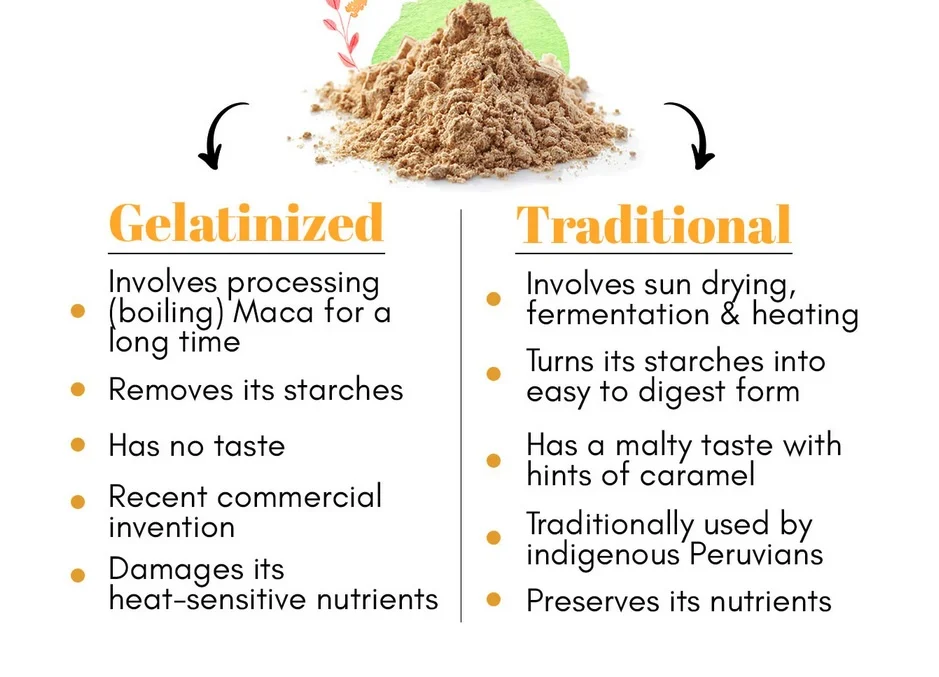
THIS GRAPHIC IS TOTALLY INACCURATE
A customer recently shared this comparison graphic about maca. She was understandably a bit confused.
While the graphic looks clear — several of the claims didn’t match how maca is actually processed.
So we took a closer look.
A few key points:
Gelatinization doesn’t remove starch — it changes it
Maca has traditionally been cooked, not eaten raw
Fermentation is a modern processing method
If you’ve seen similar comparisons, this will give you a more grounded perspective.
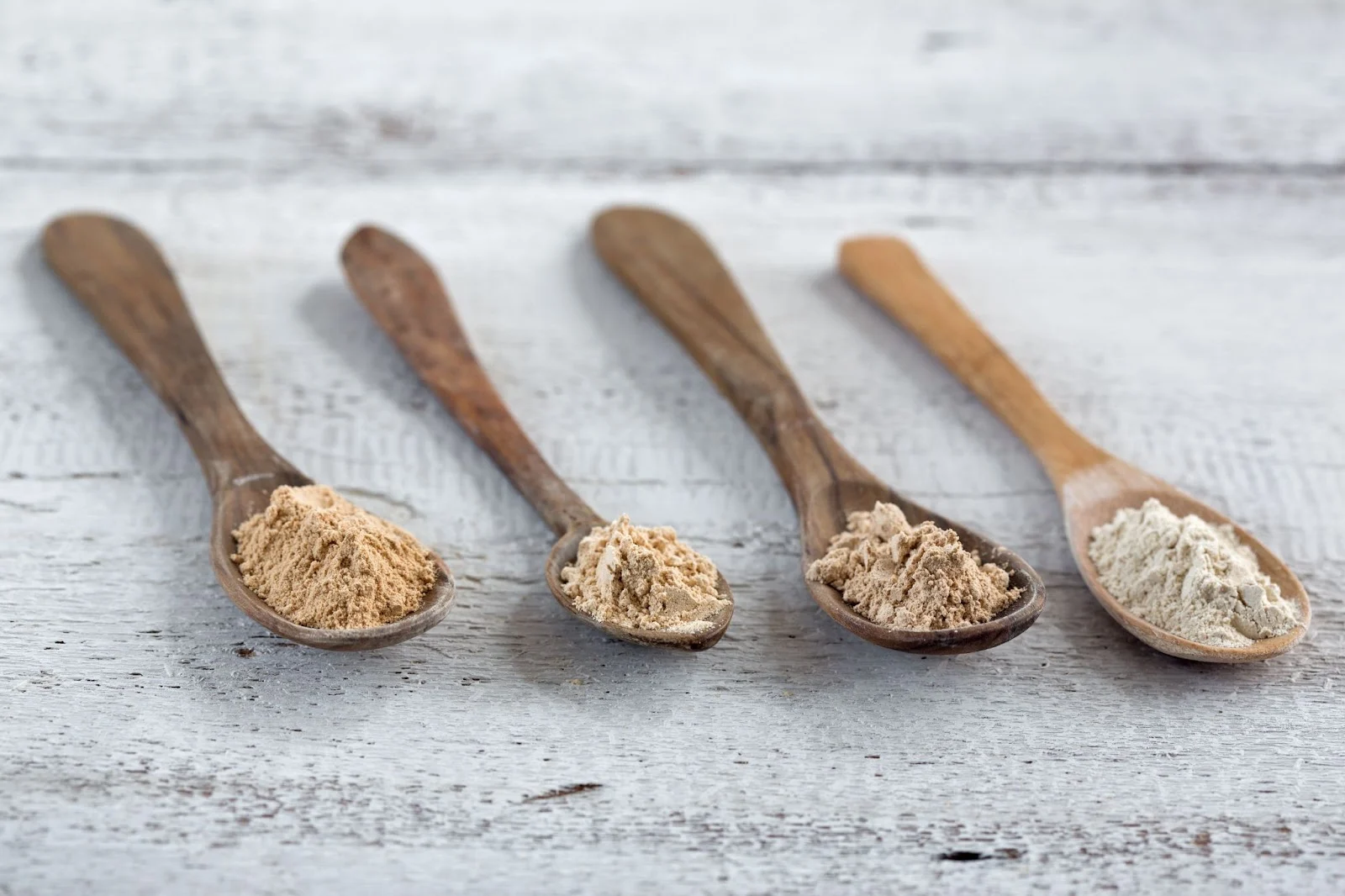
“What is gelatinized maca powder, and how does it compare to other kinds of maca?” This is one of the most common questions we receive, and we’re happy to answer it and tell you about the differences and benefits of raw and gelatinized maca powder.
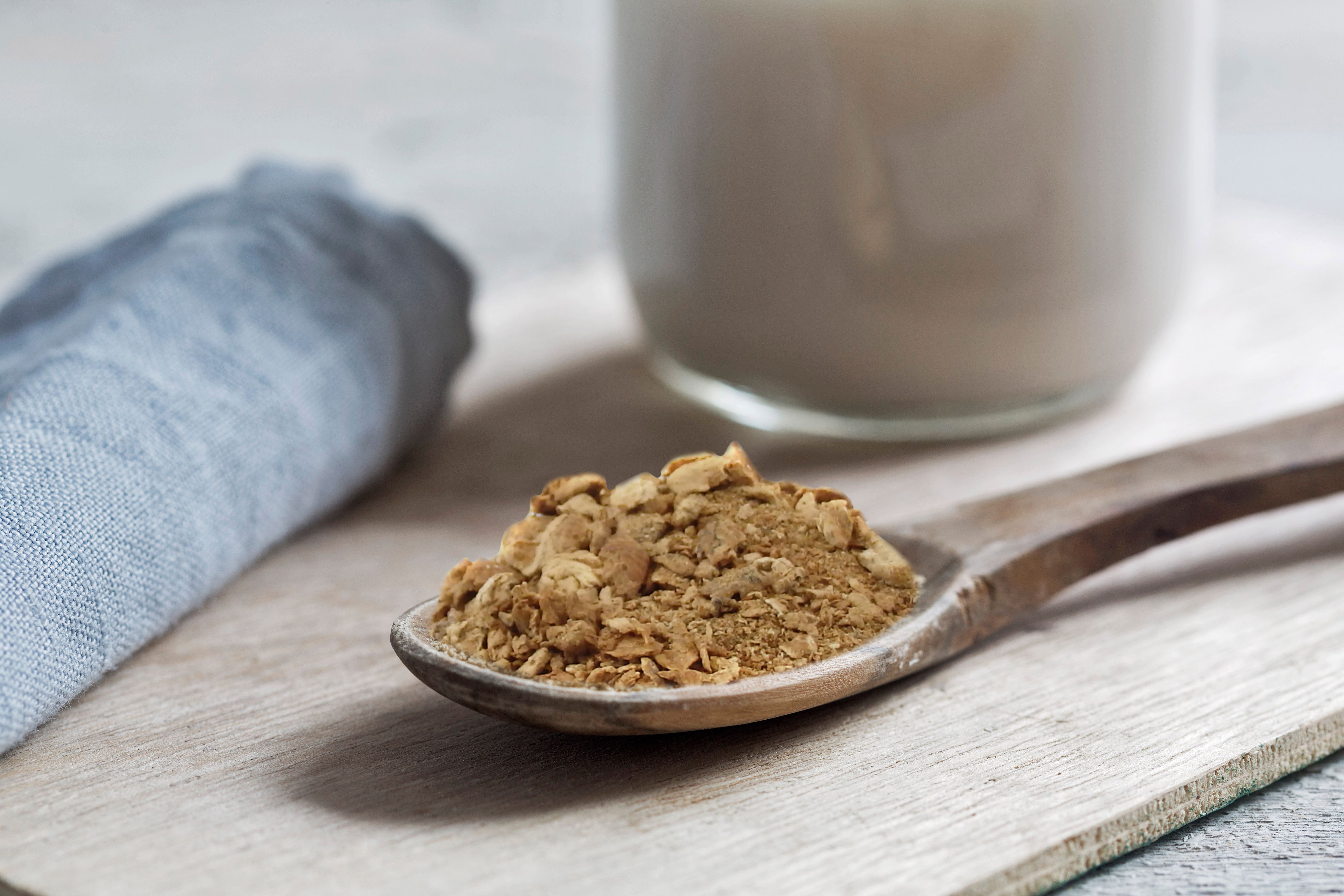
Before maca was available as powders and extracts, it was traditionally dried and prepared in its whole-root form. Our organic whole maca root chips offer a simple way to experience maca much as it has been used in the Andes for generations—perfect for cooking, simmering, or making traditional preparations like mazamorra.
Power up your morning with this vibrant, nutrient-packed smoothie! Combining the antioxidants of wild blueberries, the health benefits of kale, and energizing maca powder, this delicious blend supports vitality, focus, and overall wellness in every sip.
"Looking for a quality maca — I finally found one. The Maca Team has the best maca; it's on par with what I ate daily in the Peruvian jungle. This maca gives me energy, reduces aches as I age, and provides many benefits.”