Investors might have their eyes fixed on today's after-hour earnings from Advanced Micro Devices, with no time to take a breather from the last 24 hours in the tech (fast) lane. Needless to say, it has been a crazy one.
In a short few minutes, tech analysts and investors were inundated with news that Elon Musk's SpaceX would acquire Xai, making a trillion-dollar monster. Amazon said it would lay off over 2,000 workers, adding to a streak of job cuts. Palantir met its earnings mark despite controversy about its engagements with the federal government and renewed worries about the surveillance state.
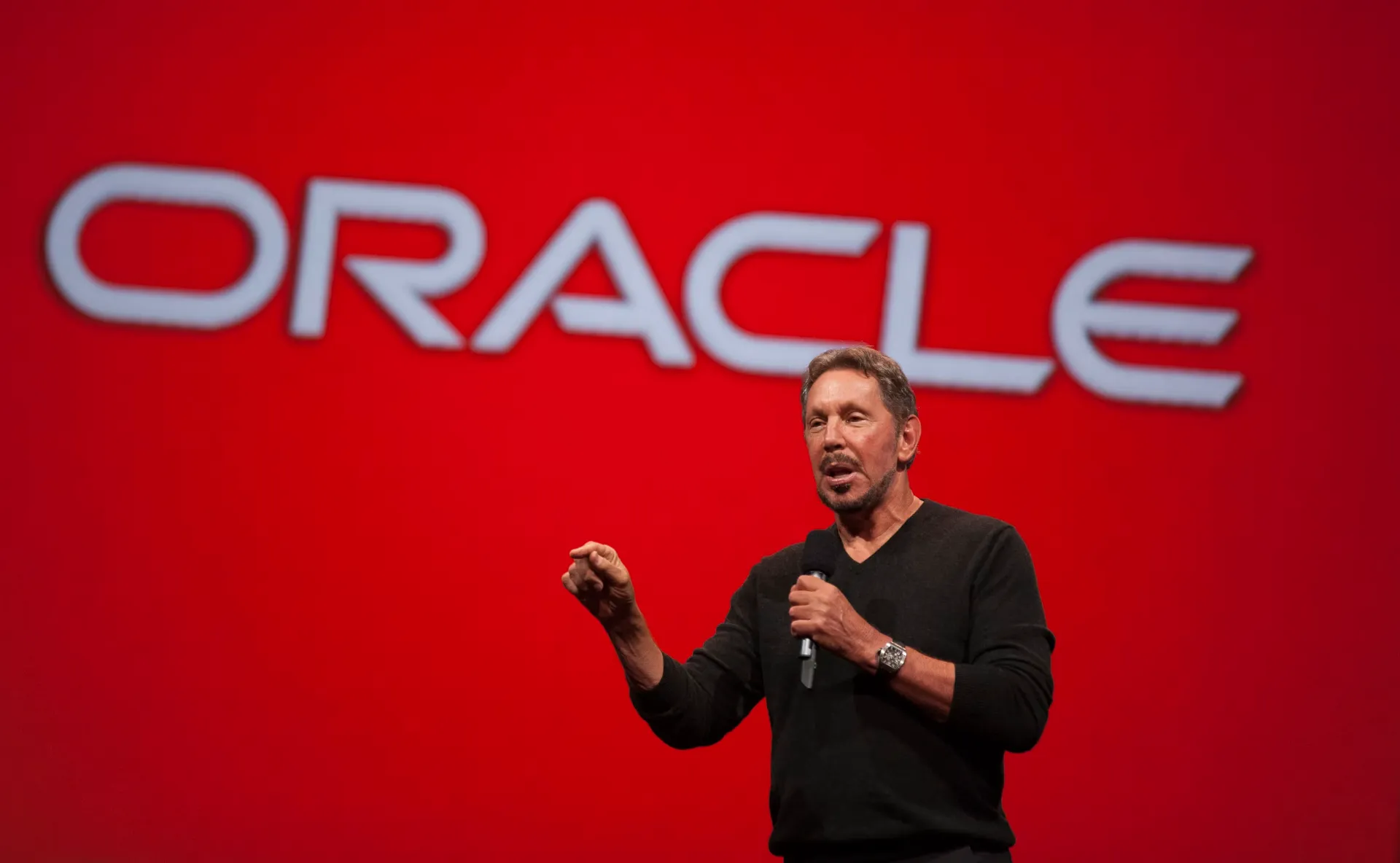
And yet, it seems the biggest story didn't need to be one at all, as well-meaning PR folks at Oracle involved itself in a non-drama, which itself converged on a persistent plot point in the AI boom.
Let's get caught up: This weekend, Nvidia CEO Jensen Huang made some sideways comments to reporters in Taiwan about the firm's $100 billion investment option in OpenAI. The tenuous exchange suggested some frustration between the chipmaker and the AI company.
At least one report suggested Huang had a bone to pick with the company's business model. Those frustrations, at least per reports, seemed to go both ways; OpenAI reportedly had their own problems with the speed of Nvidia's chips.
Yesterday, Oracle unnecessarily involved itself in the exchange, posting that the status of the tie-up between the firms has "zero impact on our financial relationship with OpenAI" and it remained "highly confident in OpenAI's ability to raise funds and meet its commitments."
Nvidia's Huang said today that, "There's no drama," and stressed that the company would be interested in investing in the AI giant's IPO. But Oracle's interjection simply found the real drama: the worries around OpenAI and the ecosystem of companies around it.
Oracle has put itself out there financially. For months, bond investors have been repricing credit default swaps (CDS) in Oracle, essentially betting on a chance it might run into liquidity problems. Those worries are understandable when a company is spending billions on data centers for a still-unprofitable client that has committed to spend more than it has ever made on your services.
And by involving themselves in the exchange of words in the press, Oracle made themselves the main character, drawing more attention to their troubles. Among them are the multi-billion dollar chasm it needs to cross — which it plans to do by raising $50 billion this year — in completing these hefty data center projects and returning to cash flow positivity in 2030 (or wherever the moving goalpost is).
There are also supposed issues in procuring financing, which have stirred up skepticism in tech land. Who's going to pay for data centers for which the primary client is a company that has demonstrated an ability to raise gobs of money, but also promptly set it on fire in pursuit of... ads in an AI model?
Sure, it could be read for getting ahead of the story, but if so, it's a bit late. Since November, stocks attached to the OpenAI ecosystem (think: Nvidia, Softbank, Oracle, AMD, Microsoft, and CoreWeave) have declined. The Google ecosystem (Alphabet, Broadcom, Celestia, Lumentum, and TTM Technologies), on the other hand, has soldiered upwards.
So what benefit is there for Oracle to set off fireworks, flail around, and stress that their data center ambitions are "investment grade" or "proceeding as expected?" What benefit is there to trying to assure investors at this time, making yourself known as "on the team?" Unclear.
All that's clear from this is that there's real, palpable worry in the air.