Here’s why a more conservative glide path makes sense.
1. Greater Risk of Running Out of Money Early
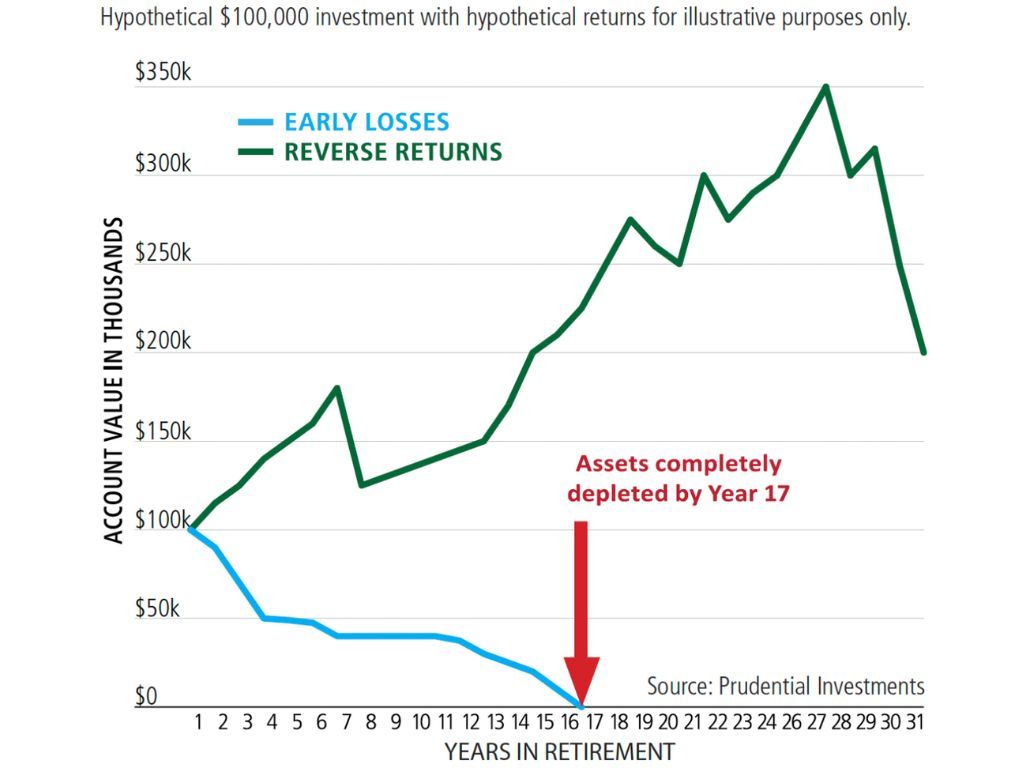
If your portfolio takes a big hit just as you're starting to withdraw money (like if you’re 63 and might be thinking about retirement), that loss can wreak havoc on your financial security.
At that stage, a less aggressive allocation, meaning using fewer single stocks and fewer risky assets like small-cap stocks, fast-growth techs or high-yield bonds, can significantly extend the lifetime of your savings when market drops inevitably come along.
2. Lifestyle Shift Demands Stability
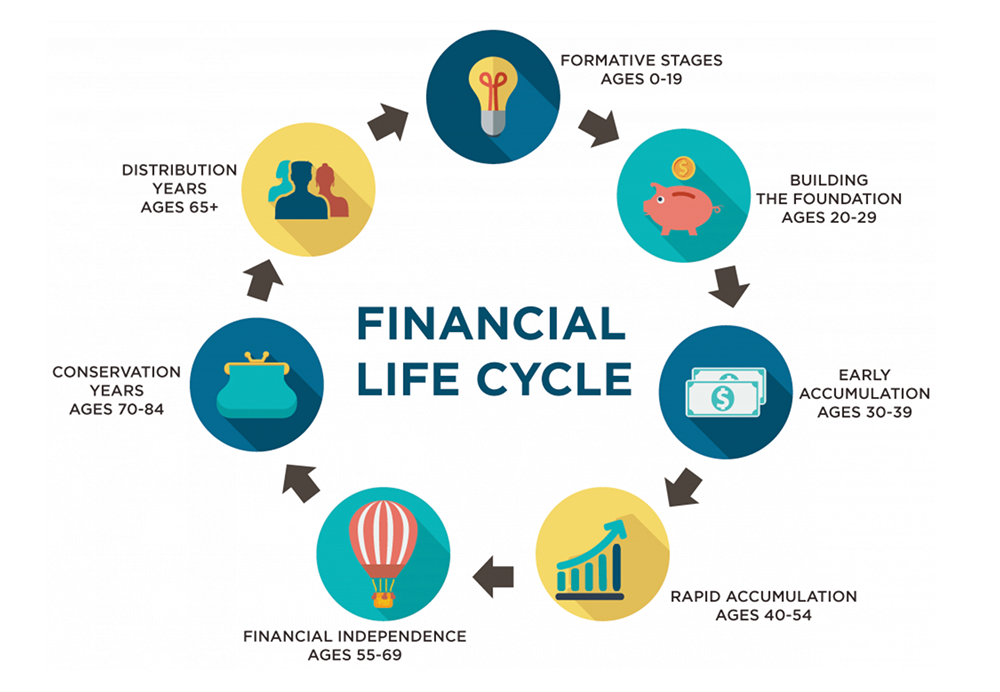
As retirement nears, your focus naturally shifts (or should shift) from growing your investments to using them to support daily living. Even if you’re not retired, start adopting that mindset.
Think of what you would live on if you no longer had a paycheck from work.
Target-date fund managers widely vary in how aggressively they reduce equity exposure by retirement time. That’s not necessarily bad; it’s a sign they’re balancing the need to protect savings with enough growth and income to maintain purchasing power.
3. Protects Against Big Losses That Hurt in the Short-Term
This is a place where our overly aggressive 63-year-old investor could run into trouble. While stocks do offer higher returns, a big drop in value, especially early in retirement or just before retirement, can be devastating.
A conservative mix helps cushion that downside, reducing the chance of your money kicking the bucket before you do.
You Won’t Want to Hear This, But….
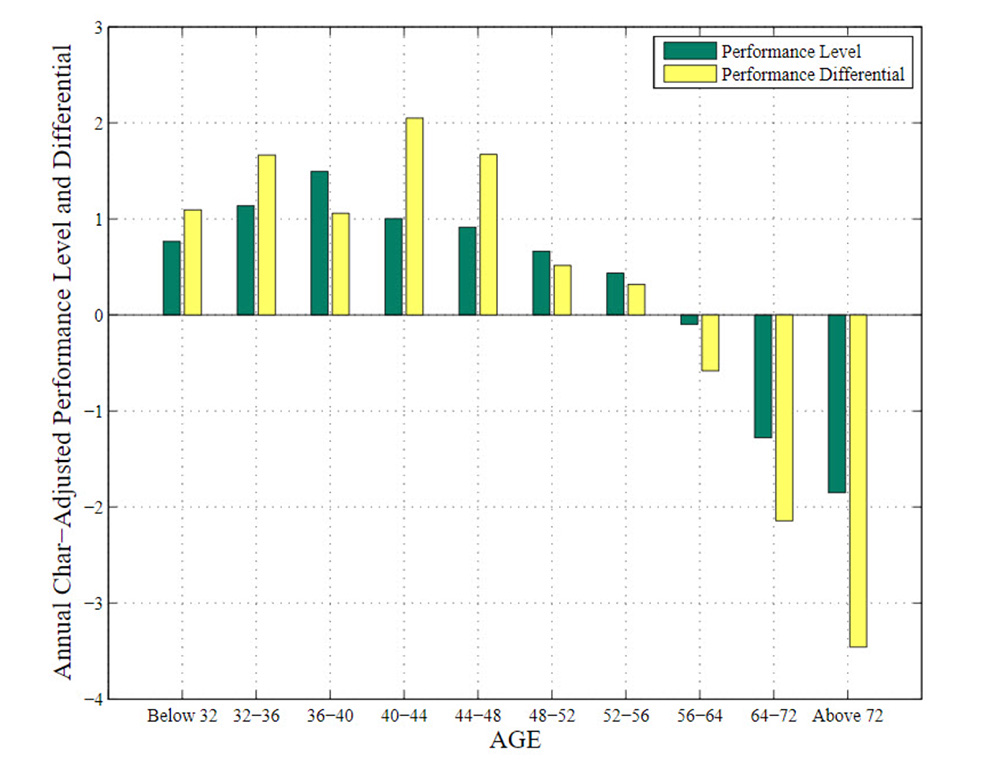
Here’s a particularly unpleasant truth: Data show that stock-picking becomes riskier as you get older.
A 2009 research study by George Korniotis and Alok Kumar at the University of Miami revealed that older investors often underperform younger ones by about 2% a year, for a few reasons.
Stock choices aren’t as strong: Picking winning stocks becomes harder, and older investors tend to hold on to losers longer. (I’d add: More current research shows that with the domination of a few huge techs and a handful of other mega-caps, market-beating stock-picking is even more difficult today than in 2009.)
Portfolios are less diversified: Too much money ends up in just a few stocks.
Confidence stays high even when skills fade: Financial literacy tends to drop about 3% to 5% lower returns annually on a risk-adjusted basis