
Utah
Utah is a premier travel destination featuring five national parks (the Mighty 5), 14 ski resorts, diverse landscapes from red rock deserts to mountain peaks, and world-class outdoor recreation opportunities managed by the Utah Office of Tourism.

-
Utah · Jul 07
-
Utah · Jun 30
-
Utah · Jun 29
-
Utah · Jun 23
-
Utah · Jun 16
-
Utah · Jun 09



Utah customer service
Use any of the convenient means below to contact Utah customer service.
| Phone | (801) 538-1900 |
| Web | https://www.visitutah.com/contact |
| [email protected] |

Headquarters
300 N. State Street
Salt Lake City, UT 84114
(801) 538-1900
[email protected]

Editor's Take
So here's the thing about Utah-it's basically the state that makes you rethink everything you thought you knew about American landscapes. And I mean that in the best possible way.
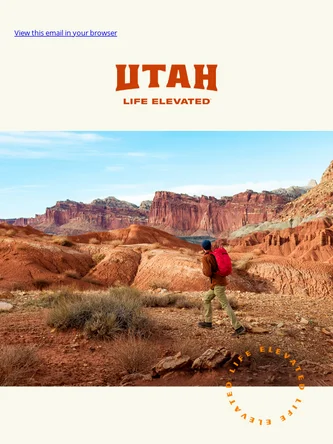
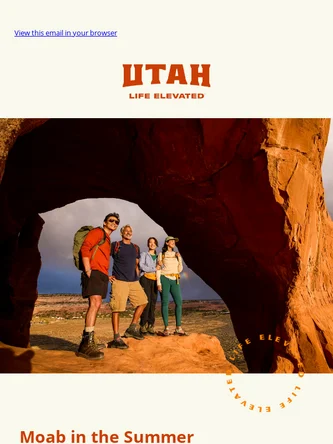
Most people know about the Mighty 5 national parks. But what's wild is how different each one actually is. You've got Arches with its 2,000+ natural stone arches (yeah, two thousand), Zion with slot canyons that make you feel like you're walking through a cathedral carved by water, and Bryce Canyon with those bizarre hoodoo formations that look like something out of a fever dream. Then there's Canyonlands and Capitol Reef, which somehow manage to be equally stunning while staying just under the radar compared to their more famous siblings.
But Utah isn't just about red rocks and desert landscapes. The northern part of the state is a completely different universe. Salt Lake City sits right at the base of the Wasatch Mountains, where you can literally ski at world-class resorts in the morning and be downtown for dinner by evening. The state markets itself as having "The Greatest Snow on Earth," and honestly? The powder at places like Park City, Alta, and Snowbird kind of backs up that claim. There are 14 ski resorts scattered across the state, and some of them hosted events during the 2002 Winter Olympics.
What's interesting is how Utah has positioned itself around this "Forever Mighty" concept-basically encouraging responsible tourism and sustainable travel. It's a commitment to the landscape they'll leave for future generations, a pledge to care for Utah in ways that will be felt long into the future. Which makes sense when you consider that tourism generates about $8.4 billion annually for the state and supports over 150,000 jobs.
The diversity is what gets you. You can explore ancient Native American petroglyphs at Nine Mile Canyon, soak in natural hot springs like the Homestead Crater (a geothermal spring inside an actual beehive-shaped limestone dome), mountain bike the legendary Slickrock Trail in Moab, or stargaze in one of the state's certified International Dark Sky Parks. Utah has more of these dark sky designations than almost anywhere else in the country.
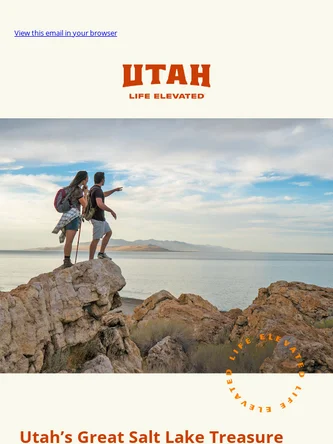
And then there's the weird, wonderful stuff that doesn't fit into neat categories. The Bonneville Salt Flats, where the ground is so flat and white it looks like another planet. Antelope Island in the Great Salt Lake, where you can see actual bison roaming around. The quirky college towns like Provo and Logan. The surprising food scene in Salt Lake City that's way better than it has any right to be.
Notice how Utah manages to be both rugged wilderness and surprisingly accessible? Most of the major parks are within a few hours' drive of each other, making road trips almost stupidly easy to plan. The infrastructure is solid, the visitor centers are actually helpful, and there's this whole network of local guides and outfitters who know their stuff.
If you're into outdoor recreation-hiking, climbing, rafting, skiing, mountain biking, canyoneering-Utah is basically Disneyland for adults who like to sweat. But it's also perfectly fine if you just want to drive scenic byways, take photos, and call it a day. The landscapes do most of the heavy lifting.