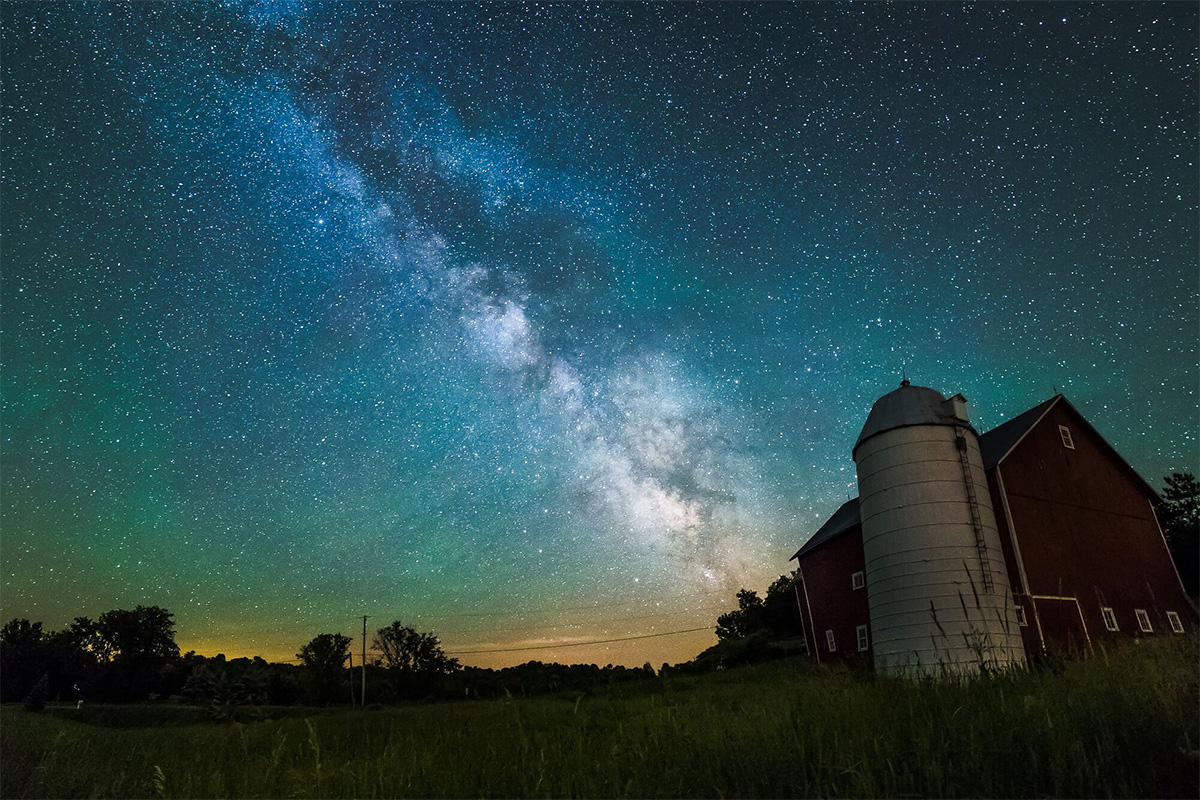
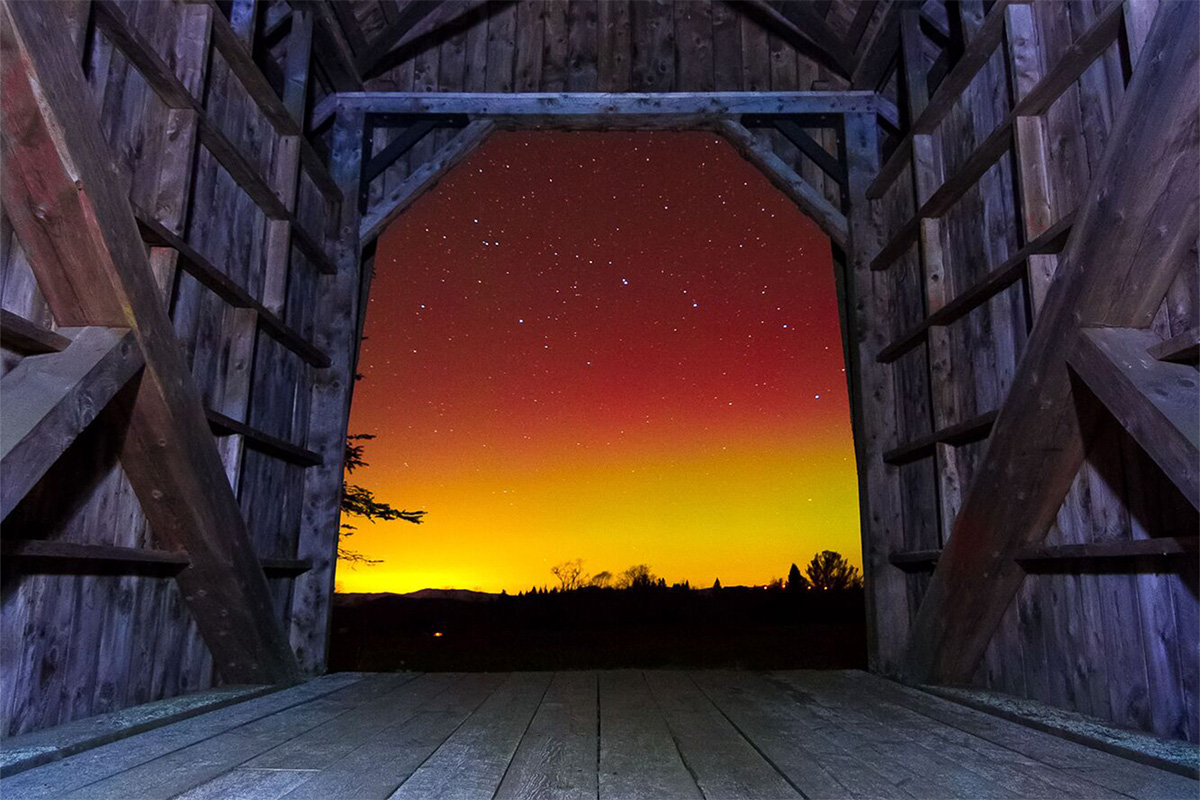
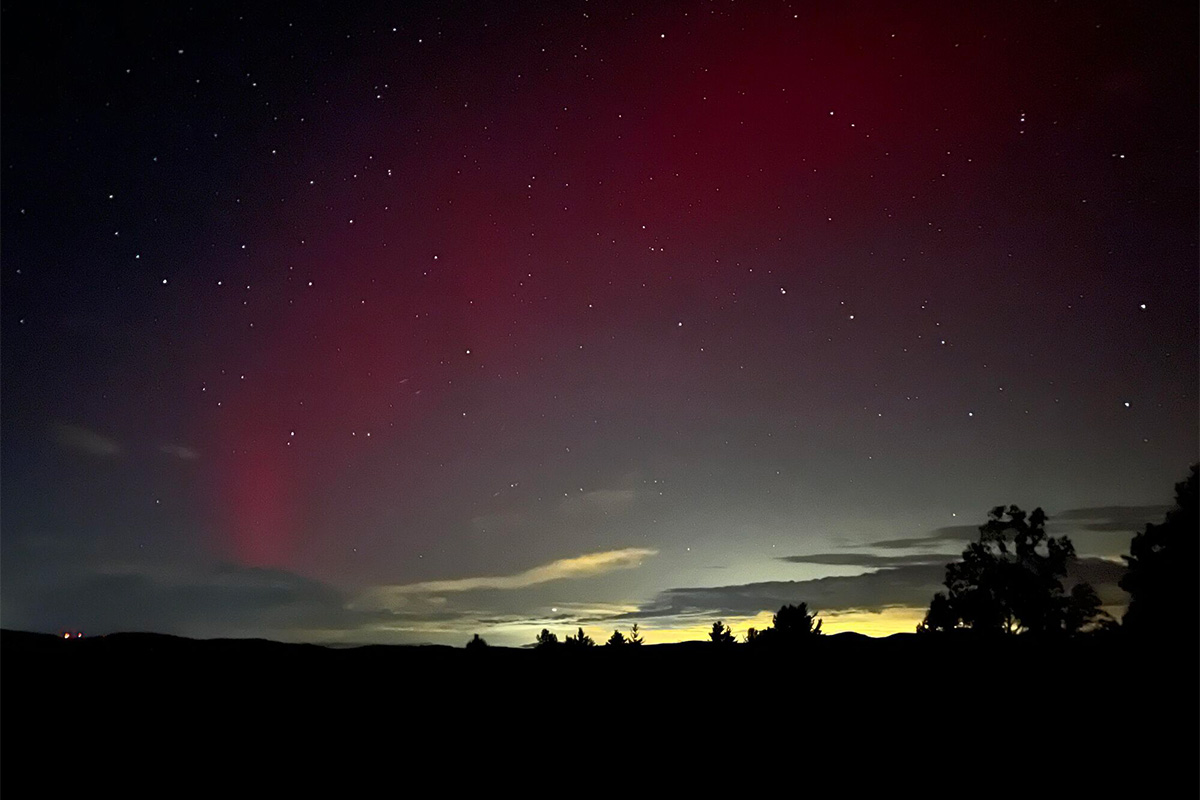
“Some people, their jaw literally drops” when they see Vermont’s starscape, said Mark Breen, senior meteorologist and planetarium director at the Fairbanks Museum & Planetarium in St. Johnsbury. “They’re in awe of what they can see that they didn’t even realize was there.” Other first-time Vermont stargazers find the enormity overwhelming because they don’t have anything to compare it to.
Only about 20% of Americans live somewhere they can see the Milky Way due to light pollution.
“It’s becoming really stark,” said Jon McCann, who leads Dark Sky Vermont, an organization of stargazers within the state, of the differences between rural and metropolitan night views. Urban light pollution means people see fewer stars in cities, and often just an orange glow or the moon. Some of the sky’s more subtle features, including the Milky Way, are only visible in darkness, when fainter stars become visible and fill the sky.
While Vermont is not an official dark sky destination, some state parks are working to pursue the designation, as is Dark Sky Vermont. The state is well positioned to be recognized for its dark skies because of its large swaths of rural area. Vermont’s legislature and involved community fosters intentional growth patterns around villages with an eye toward stewarding rural landscapes and wide open spaces. In Vermont, there’s also a general ethos of keeping lights off at night, which comes part and parcel with being among the safest states in the U.S.