Make the Most of the Season with Guided NC Adventures The outdoors are for everyone, from the hardcore adventure buff on your holiday shopping list to the green thumb usually found in their garden.
No matter your age, experience level, or ability, we all have something to gain from time spent connecting with nature. And, in turn, we all have something we can give to our incredible natural spaces, as well, by practicing good stewardship as we explore.
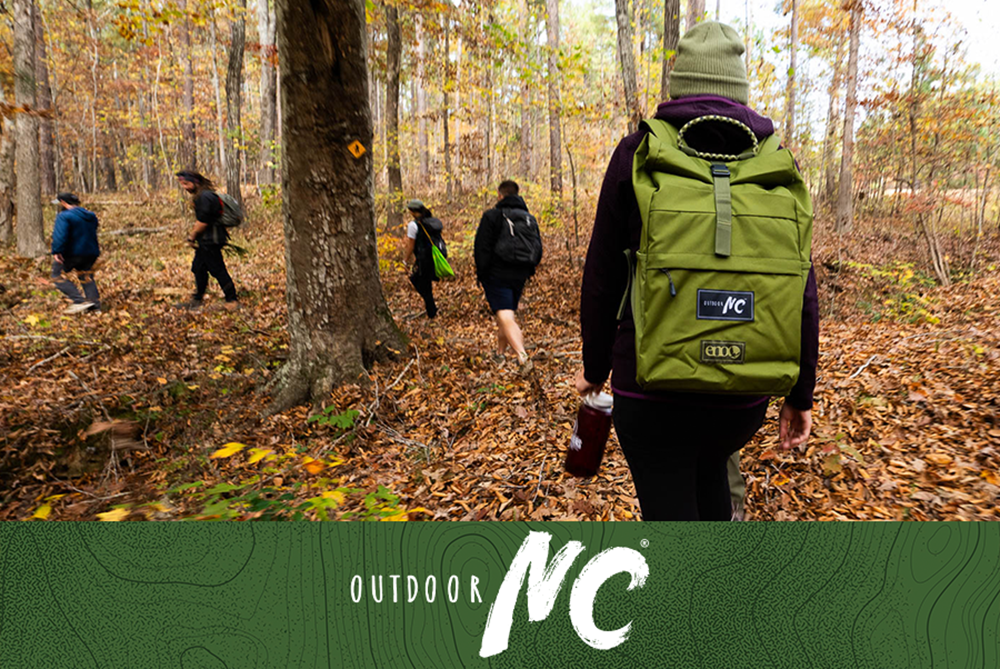
That’s a core belief of our Outdoor NC Guide program. It equips guides across North Carolina with stewardship-informed tools and training, so they can create unforgettable outdoor experiences that inform, inspire and help preserve North Carolina’s vital natural spaces for future generations. Have someone on your list who’d love an experience instead of more “stuff”? Consider gifting them an adventure led by an Outdoor NC guide. The guides we partner with are all experts who can tailor your experience — whether that’s fly fishing, paddling, hiking, rock climbing or outdoor cooking — to any skill level. Plus, gifting a memory-in-the-making is a great way to start 2025 with space for discovery and adventure already carved out. That’s the kind of note we hope to start our new year on.
Learn more about Outdoor NC guides — including how to become one! — below. Then, read on for stewardship practices to follow the next time you’re enjoying a guided excursion in North Carolina. |
|
|
|
|
| 4 Outdoor NC Leave No Trace Tips for Guided Adventures |
| 1. Plan ahead and prepare. Before heading out, review any instructions from your guide on what to bring and wear, like hiking boots, waterproof layers or identification to pair with permits or licenses your guide may have obtained. If you’re confused about any instructions, check in with your guide. They’re there to be a resource to you! By asking questions in advance, you can avoid the accidental rule-breaking, ecosystem impacts and plain-old discomfort that happen when outdoors without the right gear or information. And you’re set up to have more fun, too! |
|
|
|
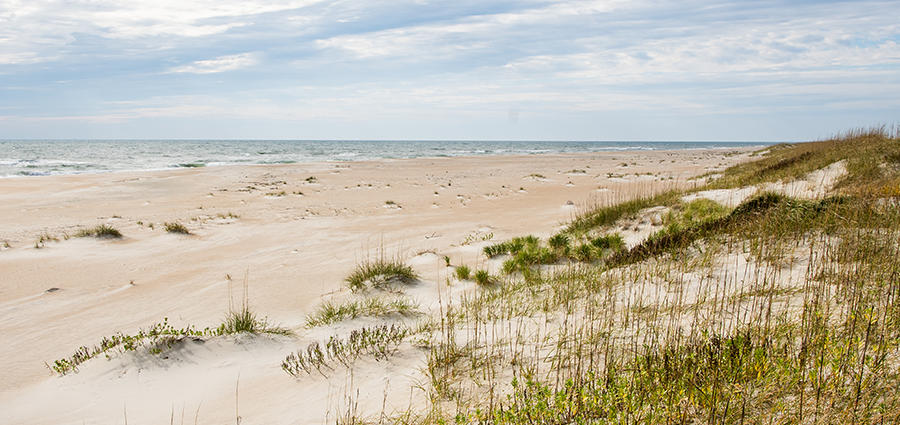
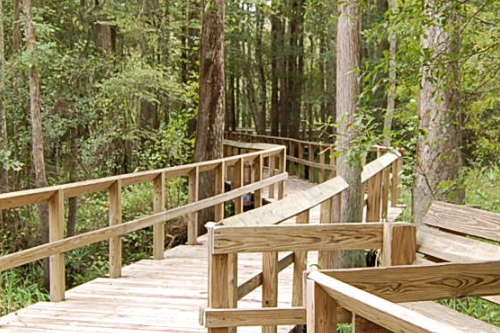
| 2. Stick to trails and blueways. Trust that your guide has chosen specific trails and blueways for important reasons. In North Carolina, ecosystems like dunes, wetlands and mountain vegetation are sensitive to foot traffic. Guides also help you avoid fragile wildlife zones like fish spawning areas. By staying on the designated paths and avoiding shortcuts, you can help minimize your impact on these delicate environments. |
|
|
|
| 3. Keep wildlife wild. You might see sensitive species like nesting shorebirds, sea turtles or elk while exploring North Carolina. Listen to your guide and keep a safe distance, using binoculars or zoom lenses for photos. This supports the health and safety of wildlife, which can become aggressive or stressed by human interactions. To let nature thrive, follow your guide’s lead. They’re also likely to have information about different species you wouldn’t know on your own! |
|
|
|
| 4. Be considerate of others. When participating in shared excursions, it's important to allow your guide, who understands each person's skill level and abilities, to set the pace and address any questions. This approach ensures a safe and enjoyable experience for everyone involved. Additionally, if you encounter others outside your group, be mindful of noise levels and walk in a single file on narrow trails to make it easier for them to pass. |
|
|
|
By observing these principles, you’ll be ready for an outdoor adventure that maximizes enjoyment for all while respecting the ecosystems playing host to you. |
|
Get to know our Featured Partner for December: North Carolina State Parks |
North Carolina State Parks manages more than 250,000 acres of iconic landscapes, with a mission that’s all about conservation, recreation and education. They’ve also been a vital source of up-to-date information on which Western North Carolina parks and trails are welcoming guests after Hurricane Helene. In the spirit of getting back into these beloved natural spaces, NC State Parks shared with us some best practices for recreating responsibly in Western NC.
Stick to open areas.
As of Nov. 15, most Western NC state parks have reopened fully or partially. Three parks remain closed until further notice: Chimney Rock, Mount Mitchell, and South Mountains.
Nature lovers may be curious to see what’s going on at a favorite park or trail that hasn’t reopened yet, but it’s critical to heed all closures, whether you’re on foot, bicycle or horseback. Emergency services are often severely limited in these areas, and park staff need to be able to keep working hard to reopen facilities as safely and quickly as possible.
Follow trail etiquette.
Now more than ever, it’s key that visitors stay only on marked, open trails, because of hazards such as fallen trees in closed areas.
Practice situational awareness, especially if it’s windy or when hiking after rainfall or snowfall, and wear proper footwear. Many trails have washed-out areas that have eroded or become slippery. Watch your step, especially when leaf litter is covering the trail or when trails are wet or icy.
Be mindful of local fire conditions.
With extra debris and leaf litter on the ground and periods of drought or limited rainfall impacting some areas, there’s more risk of wildfires spreading quickly. (Check out North Carolina State University’s Fire Danger Prediction Map for real-time conditions.)
Always practice fire safety. At campsites and picnic areas, use provided fire rings or grills. Never leave a stove, grill or campfire unattended, and when you’re done, douse your fire or charcoal with water and stay until everything is cool to the touch.
NC State Parks looks forward to welcoming you back to our Western NC state parks as you recreate responsibly!
|
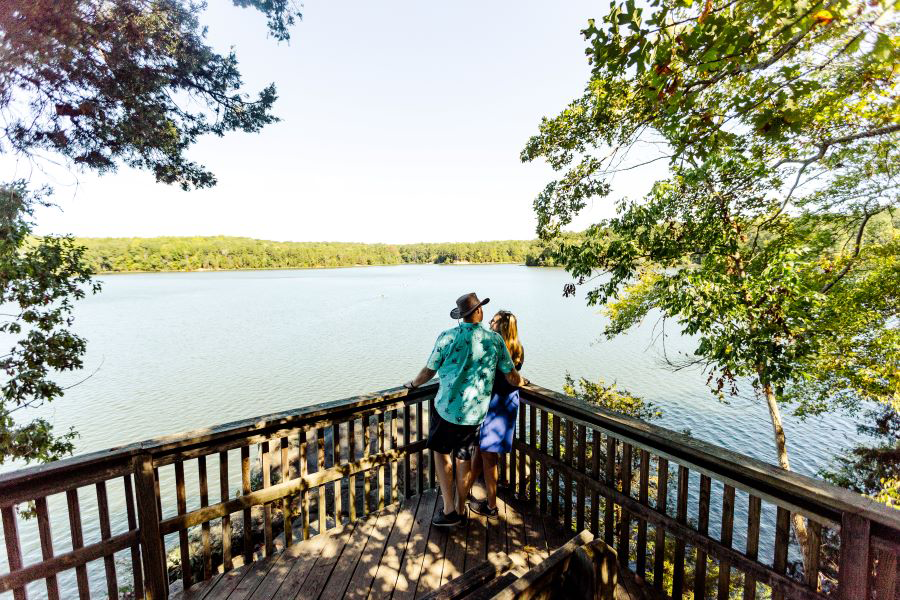
| Just north of Charlotte is North Carolina’s largest man-made lake. Bring your binoculars — the lake and surrounding woodlands, wetlands and marshes are home to many bird species, from herons and ospreys to bald eagles. Lake Norman is also a favorite year-round stop for anglers in search of prize catfish, crappie, bass and perch. While here, tip your hat to the Catawba Riverkeeper and Davidson Lands Conservancy, who partner with the lake’s non-profit to keep its waters clean and accessible to human guests and the wildlife that calls this natural space home. |
| | Pender County is home to stunning natural landscapes, from barrier islands and wetlands to longleaf pine forests and scenic waterways like the Black River and Intracoastal Waterway. Whether walking along sandy beaches, paddling quiet rivers or hiking forest trails, these spaces offer countless ways to experience nature and observe wildlife. Places like the Holly Shelter Gamelands, with its 63,000 acres of trails and habitats, are ideal for birdwatching, photography and quiet reflection. Outdoor NC Leave No Trace principles are part of the everyday experience to help ensure these areas remain vibrant and accessible for everyone to enjoy. |
|
|
|
|
| | Outdoor NC is part of Visit North Carolina
Visit North Carolina is part of the Economic Development Partnership of North Carolina
150 Fayetteville St., Ste 1200, Raleigh, North Carolina, 27601, United States
Share | Manage Your Subscription | Outdoor NC |
|
|
|
|
|
| | | | |