Set Stewardship In Motion While Biking NC’s Natural Side |
|
|
|
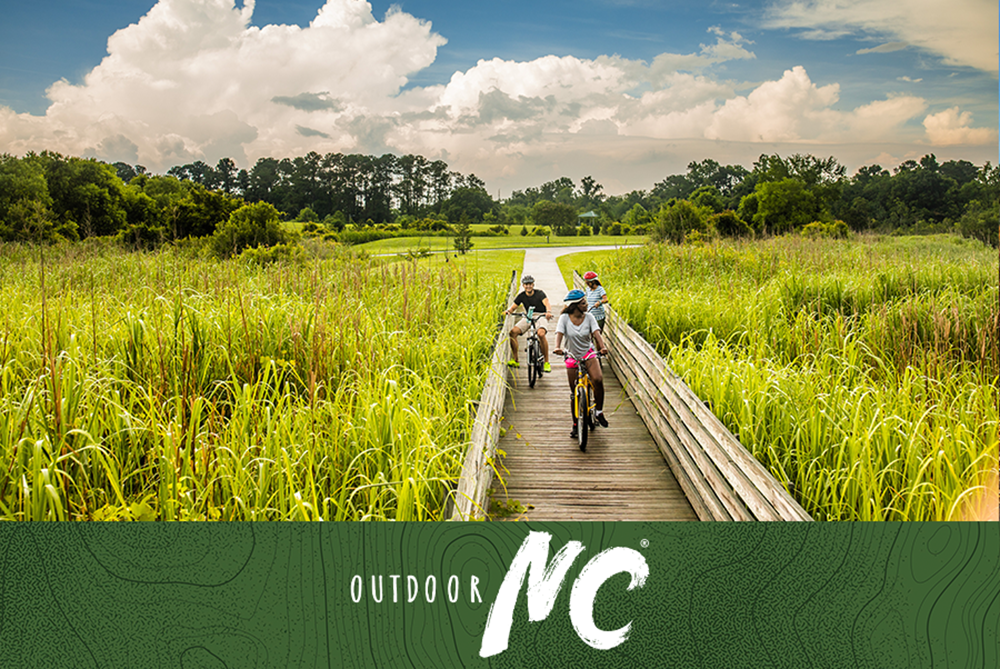
In North Carolina, the road to adventure doesn’t require an engine — just a good trail and the curiosity to follow it. With thousands of miles of bikeable routes winding across the state, cycling offers a chance to move with NC’s living landscapes, not just across them.
When we slow down enough to spot a night-feeding Tricolored Heron roosting by a salt marsh boardwalk or to observe Lady Slipper blooming on Blue Ridge trails and three-pointed Trillium lining Piedmont paths, our relationship with these spaces shifts. We start to see them not just routes to ride — they’re living ecosystems to respect and care for as stewards.
Small acts of everyday stewardship — say, staying mindful of edge-growing plants while yielding to hikers or easing our pace in wildlife zones — help preserve more than the trails beneath us. They’re actions that ripple outward, ensuring NC’s landscapes can stay healthy, accessible and wild.
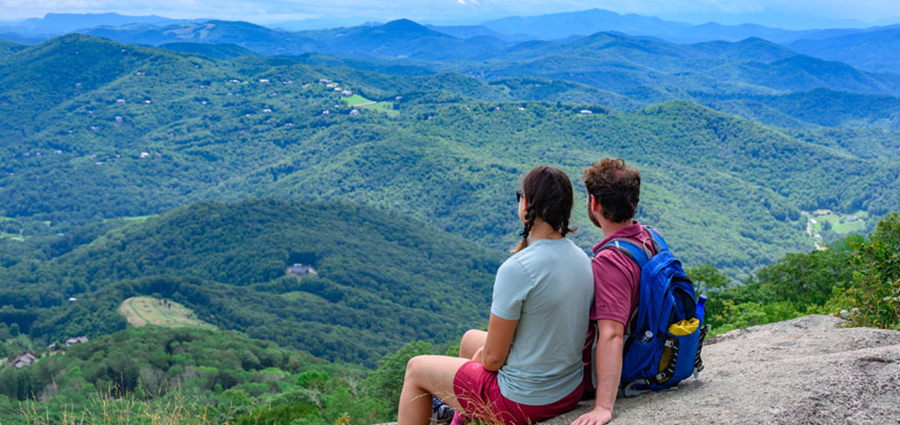
With so many biking routes across the state, there’s no shortage of places to put cycling stewardship into practice. Whether you’re mountain biking for panoramic payoffs on Brevard’s Black Mountain Loop, enjoying the shade of an accessible greenway like Greensboro’s paved Atlantic & Yadkin Greenway, or soaking up the salt breezes of Onslow County’s City to Sea trail, every ride offers a new way to connect with NC’s natural world.
No matter the distance or destination, we can all ride in ways that support the long-term health of the ecosystems we explore with the following stewardship tips. Bring them on your next cycling adventure — from Cycle North Carolina group rides to solo journeys spent reconnecting with NC’s natural world.
|
|
| Pedal With Purpose: Outdoor NC Leave No Trace Cycling Tips |
| 1. Plan ahead and prepare. Trail stewardship can start before bike tires ever hit the dirt when we research routes suited to our bike type and skill level and check trail and weather conditions before setting out.
For trails near freshwater sources, like the lakeside trails at W. Kerr Scott Dam, biking when conditions are soft or muddy can carve lasting ruts and wash sediment into the water, clouding aquatic habitats. By checking for posted weather or seasonal closures, giving trails time to dry after rain, and having a backup route in mind, we can keep each bikeable thread of the Great Trails State beautiful and usable for the next rider. |
|
|
|
| 3. Stick to Trails and Overnight Right Doing a little prep work also helps us understand who we’re sharing these natural corridors with, from the painted buntings perched in coastal dunes’ scrubby thickets to the Eastern box turtles — NC’s only terrestrial turtle and state reptile — found in the meadows and floodplains of trail systems like Cary’s Black Creek Greenway.
We can reduce stress to these creatures by skipping bike bells in wildlife zones and dismounting in sensitive areas like wetland edges and marsh boardwalks, where frogs, salamanders, and wading bird nests may be harder to spot. These small shifts help wildlife stay in their habitats, feed undisturbed and nest successfully — creating ripple effects that support healthy ecosystems far beyond our ride. |
|
|
|
| | 3. Stick to Trails and Overnight Right Staying on designated trails is one of the simplest ways cyclists can care for NC’s wild spaces while leaving trails ready for the next rider.
On wooded Western NC trails like Bent Creek, staying on established routes protects root systems and gives recovering habitats room to grow. On paved paths like the American Tobacco Trail, riding through — not around — puddles helps prevent trail widening and protects runoff-filtering grasses. (Plus, it’s fun!) And on long-distance routes like the Mountains-to-Sea Trail, using designated campsites keeps habitats from becoming fragmented, making wayfinding clear for riders and wildlife. |
|
|
|
| | 4. Be Considerate of Others and Share the Outdoors On multi-use greenways, like the Duck Trail and Cape Fear River Trail, cyclists play an active role in keeping the outdoors welcoming for everyone by using safe speeds, offering a friendly “on your left” when passing, and giving space to adaptive cyclists and mobility device users.
Learn simple, respectful trail etiquette to help everyone enjoy the ride. Check out our mountain biking blog. |
|
|
|
Get to know our Featured Partner for May: Beech Mountain |
At 5,506 feet, Beech Mountain is the highest town in the Eastern U.S. — a place where spring and fall bring brilliant displays of wildflowers and foliage, cool summers beckon anglers and mountain bikers, and winter snows open trails for skiing and snowshoeing. But beyond reasons to adventure, Beech Mountain’s elevation invites responsibility.
Cold-climate species like beech trees, rhododendron and native salamanders depend on the health of this forested ecosystem. To help this natural space thrive as intended, we can embody the Outdoor NC Leave No Trace principles while adventuring, including when riding or hiking the Emerald Outback’s seven miles of interconnected trails.
Here, mountain bikers looking for a challenge can use Witch’s Tail and Witch’s Backbone, two trails designed to handle jumps and turns while minimizing erosion on shared paths. While you’re out, it’s likely you’ll see wildlife — Beech Mountain is a certified Wildlife Habitat Community. Remember that you’re sharing space with creatures like black bears, peregrine falcons, and “whistle-pigs” (groundhogs). No matter how big or small, we can view wildlife from a respectful distance and keep pets leashed for everyone’s safety.
Want a little fresh air without making a full-day expedition of it? The Beech Mountain Greenway is a paved, ADA-accessible trail through town, connecting guests to local businesses and picnic areas. Keeping this path clean and disposing of pet waste in designated bins ensures runoff doesn’t pollute nearby streams and wildlife areas.
In addition to the stewardship actions of guests, community-led education initiatives are key to preserving Beech Mountain’s unique high-altitude ecosystems. The Beech Mountain Ski Resort’s Sustainable Education Series asks speakers from groups like the National Park Service to share stewardship practices. Guests can also explore the Beech Mountain History Museum to learn about the region’s cultural heritage, or go on a hike with a local guide to learn about the area’s native flora and fauna.
By exploring responsibly and supporting local stewardship activities, we can all help care for Beech Mountain’s trails, forests, and wildlife — ensuring this remarkable landscape remains resilient for future generations.
|
|
| | Outdoor NC is part of Visit North Carolina
Visit North Carolina is part of the Economic Development Partnership of North Carolina
150 Fayetteville St., Ste. 1200, Raleigh, North Carolina, 27601, United States
Share | Manage Your Subscription | Outdoor NC |
|
|
|
|
|
| | | | |