Bundle Up and Discover Who’s Awake This Winter This time of year reveals a quieter, more intimate side of the outdoors. But wintry peacefulness doesn’t mean North Carolina’s nature is asleep.
Bare trees and frosted trails create a perfect backdrop for spotting the active NC wildlife that thrives in colder months, from foraging white-tailed deer and migrating songbirds to the flash of a red fox. A winter walk along the coast could catch you a glimpse of visiting harbor seals, while in icy rivers across the state, river otters bob up in greeting. Exploring the woods of the mountainous West or coastal Plain? Pay close attention, and a rare bobcat sighting could be your reward.
Seeing these special species in the wild means accepting winter’s invitation to slow down and observe the natural world’s rhythms. It’s an invitation that comes with a call to stewardship, as wildlife often face scarcer food sources and fragile habitats in winter. Simple actions — like sticking to designated paths and properly disposing of waste — can help us minimize our impact on the creatures and habitats we’re admiring while taking part in winter’s wonder.
Whether you're taking a brisk hike, photographing frosty landscapes, or watching for winged winter residents, we can deepen our connection with nature and help ensure it thrives through every season with the following simple stewardship practices for winter wildlife spotting. |
|
|
|
|
| 4 Outdoor NC Leave No Trace Tips for Winter Wildlife Watching |
| 1. Plan ahead and prepare. Hoping to see some winter wildlife? Research where and when to see specific species — the North Carolina Wildlife Resources Commission is a great tool for that — and plan your route ahead of time. For example, Jordan Lake Recreation Area is a prime spot to observe bald eagles in the colder months. Planning ahead will help you make the best use of time on short winter days and ensure you’re sticking to designated trails, protecting sensitive areas like frost-covered meadows and fragile riverbanks.
Before setting out, be sure to check current weather and trail conditions, and bring proper footwear and warm layers with you- winter weather can be unpredictable. |
|
|
|
| 2. Keep wildlife wild. Colder temperatures and limited food sources make energy conservation essential for wildlife in winter. By observing wildlife from a respectful distance and keeping pets leashed, you can give wild creatures the space to thrive without stress or interruption. Sound matters here, too. Birdwatchers can avoid confusion and disturbance to species like wintering owls by leaving recorded bird calls and playback devices at home. Grandfather Mountain is a haven for wildlife that includes species such as elk and wintering owls. Following Hurricane Helene, some displaced wildlife may be adapting to new territories, making it especially important to respect their space.
With simple binoculars, you can enjoy a closer look at natural behavior unfolding, making wildlife encounters more rewarding and considerate. |
|
|
|
| 3. Leave it as you find it. Appreciating natural habitats with our eyes and not our hands helps us preserve the shelters of hibernating creatures, like salamanders and insects, and avoid accidentally depleting food stores. Even vegetation that appears dead or inconsequential, like small beds of moss or leaf litter, can play a role as a food source or habitat. Other times, plant life is simply preparing for spring regrowth. The dunes at Carolina Beach State Park are a vital habitat for hibernating insects and other wildlife. Staying on designated trails protects these fragile areas, which also support rare plant species like Venus flytraps.
By sticking to established trails and limiting souvenirs to photos, we allow nature to run its intended course. |
|
|
|
| 4. Trash your trash. When food is scarce in winter, animals are more likely to investigate human waste, putting them at risk of ingesting garbage and associating humans with food, which can alter their behavior. And in the winter, waste can linger in sensitive habitats longer, too, as colder temperatures delay things like fruit peels and food scraps from breaking down. Along the Coastal NC shores of the Outer Banks, waste left behind can threaten species like sea turtles, which may mistake trash for food. These fragile ecosystems are particularly vulnerable during colder months when decomposition slows.
We can prevent this by packing out everything we pack into nature, each time we visit. Bring waste bags, including for pet poo, with you on your adventure, and wait to dispose of trash until you’ve reached a designated receptacle. |
|
|
|
Get to know our Featured Partner for February Visit Greensboro |
Greensboro lives up to its name. Nestled in the heart of NC’s lush Piedmont region, it’s a city that prides itself on its abundant green spaces, with more than 100 miles of trails to explore by foot or bike and multiple lakes to see by kayak or paddleboard.
For fresh air without leaving the city center, check out the Downtown Greenway. Along its four miles of paved, multi-use trail, you’ll find more than 40 public art pieces, like Cairn’s Course, a massive earth casting inspired by Greensboro’s wetlands and wildlife. While you explore, take note of the small gardens or bioswales you pass. They’re designed to filter rainwater runoff and improve water quality. By keeping every piece of trash—even small items like gum and food scraps—out of the landscape and in designated bins, we can help these natural filtering systems do their job. For more garden time, end your greenway adventure with a stop by the Bird, Bee & Butterfly Pollinator Garden, where you can look for native species like the Eastern Swallowtail Butterfly, NC’s state butterfly.
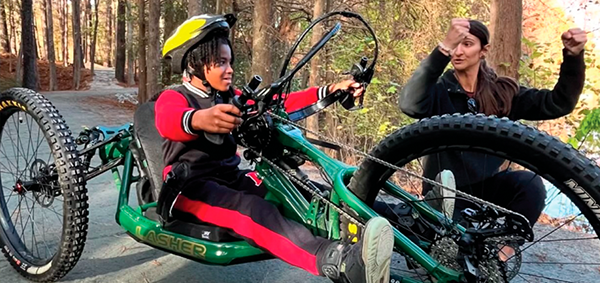
More the adrenaline-seeking outdoors type? About 10 minutes from downtown, you’ll find Keeley Park’s new, two-mile accessible mountain biking trail. It’s intentionally designed for adaptive mountain biking equipment, making it a prime outlet for cyclists of all abilities. The park’s Up In The Air Inclusive Playground also features a fully-ramped accessible play structure, swings, slides, sensory activities and shaded areas to rest in. Enjoying the park with kids? We can model stewardship early on by encouraging them to share equipment and be mindful of those who may need extra time or space to play.
In keeping with NC’s Great Trails State spirit, plans have been proposed to connect Keeley Park and Latham Park via a system of linked trails and greenways. Other trails criss-crossing across Greensboro include the Peninsula (Crockett) Trail, offering scenic views across Lake Townsend, and the Osprey Trail, named for its famous residents. While some ospreys winter in NC, many migrate back in early March, often returning to the same nests. Their large, conspicuous nests are easy to spot, but binoculars can offer a closer look. |
| Boone’s Blue Ridge Mountain views — from those at Elk Knob and Howard Knob to the vistas of Blowing Rock and Grandfather Mountain, a UNESCO Biosphere Reserve — have long inspired explorers and artists. After Hurricane Helene, stewardship here is more important than ever. Whether spotting rare, colorful salamanders by a stream or watching ravens soar over the Blue Ridge Parkway, we can help native species recover by keeping a respectful distance from wildlife and staying on established trails to protect fragile plants. |
| | This Piedmont-region city shares a name with its watery neighbor. Part of the Catawba River chain of lakes, Lake Hickory covers more than 4,220 acres. For a view of all that blue from above, Bakers Mountain Park features the highest point (1,780 feet) in Catawba County, plus 189 acres of mature chestnut oak forest. We can be stewards of this landscape by sticking to trails to prevent erosion and by trashing our trash, supporting local conservation efforts like Hickory’s " litter quitter" days. |
|
|
|
Learn more ways to practice stewardship this winter with the rest of the Outdoor NC Leave No Trace principles. |
|
| | Outdoor NC is part of Visit North Carolina
Visit North Carolina is part of the Economic Development Partnership of North Carolina
150 Fayetteville St., Ste. 1200, Raleigh, North Carolina, 27601, United States
Share | Manage Your Subscription | Outdoor NC |
|
|
|
|
|
| | | | |