Set Stewardship In Motion, One Trail at a Time |
|
|
|
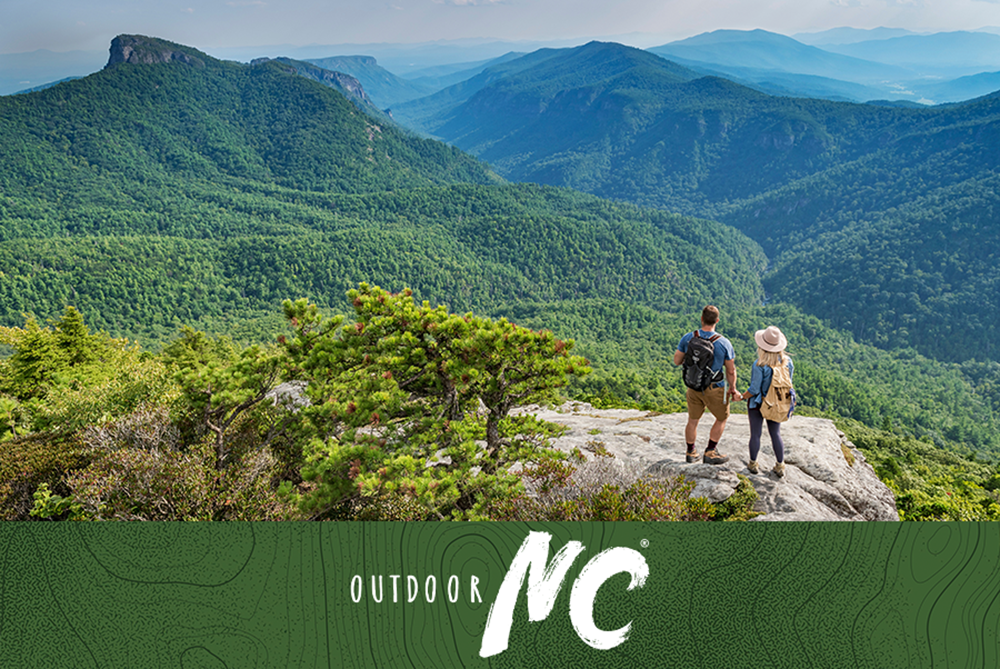
Trails in North Carolina aren’t just how we get from one place to another. They’re living threads connecting us to NC’s natural world. As they wind through longleaf pine savannas or across rare pockets of Piedmont prairies, NC trails invite us to find our own sense of wild, while giving us the chance to care for the vibrant landscape underfoot.
Every step we take on a path touches an active ecosystem, so when we bring good stewardship practices on our adventure, like letting wildflowers on the edge of the trail bloom undisturbed, we’re actively caring for the health of these rich landscapes.
No matter what part of the state you’re exploring, there are trails to see and steward, from the rugged paths of the High Country’s Grandfather Mountain to the quiet boardwalks and blackwater swamps of Eastern NC’s Merchants Millpond. Whether you’re out for an hour or overnight, retracing a favorite route or exploring somewhere new, there’s a path in the Great Trails State waiting to be enjoyed.
Ready to lace up and step up as a steward? For Great Outdoors Month this June, we’re sharing simple acts of trail stewardship that go the distance in keeping NC’s trails wild, welcoming and walkable for all who follow.
|
|
| Outdoor NC Leave No Trace Tips for Thoughtful Trail Stewardship |
| 1. Stick to Trails & Overnight Right When we stay on designated trails, we help protect native plants and root systems that surround the paths. That’s especially important in steep or sensitive places like the sandstone bluffs at Raven Rock, which tower 150 feet over the Cape Fear River, where even a quick shortcut can lead to erosion and long-term vegetation loss.
Camping overnight along a backcountry route like the Mountains-to-Sea Trail? Choosing established campsites on durable surfaces helps keep habitats whole and prevents the creation of “social trails,” which can mislead wildlife and other hikers. Each time we follow the path already laid — and rest where the land is best equipped to handle it — we help keep NC’s trails healthy for all who follow. |
|
|
|
| 2. Leave It As You Find It It’s tempting to pick a flower, but even the smallest natural items play a role in supporting life along the trail. At Goose Creek State Park, where trails weave through marshes and cypress swamps, leaving shells, pinecones, and other natural materials in place helps protect the habitat for local wildlife like marsh rabbits, minks, and barred owls.
That same care applies to cultural items on the trail, too. The remnants of farmsteads on the Haw River Trail help tell the story of the land. When we leave what we find, we keep those stories intact for local communities and future generations of trail-goers. |
|
|
|
| 3. Be Careful With Fire Campfires can be a memorable part of trail time, and with some mindful planning, a small fire can fit into how we care for NC’s natural spaces. Well before striking a match, we can prepare by checking for fire regulations, burn bans, and permit requirements at our destination. All of that information is available on park and forest websites, and at ranger stations.
Camp stoves are often the lightest-impact option, especially in fire-sensitive ecosystems like the pocosins of Croatan National Forest, where dense vegetation and peat-rich soils make wildfire risk higher during dry periods. When fires are allowed, we can reduce impact by using existing rings, gathering only small, dead-and-down wood, and keeping flames low. Staying at the site until the extinguished fire is cold to the touch ensures these special places remain open and welcoming for everyone. |
|
|
|
MEET OUTDOOR NC GUIDE J Smilanic |
Pictures aren’t just worth a thousand words — they can be meaningful acts of stewardship, too. Choosing to take photos instead of pocketing keepsakes while exploring helps preserve natural items that play vital roles in ecosystem health, echoing the Outdoor NC Leave No Trace principle “Leave It As You Find It.” J Smilanic knows a thing or two about that.
As the owner of WNC Photo Tours, he leads stewardship-informed photography tours and workshops across Western NC and beyond. From sunrise shoots in the Blue Ridge Mountains to seasonal outings featuring Blue Ghost Fireflies, rhododendron blooms and fall color, J helps guests frame the perfect shot — without leaving a trace. (That ethic shapes the fly fishing tours he runs through his other company, Wild Waters Guiding, too.)
For Great Outdoors Month, we asked J to share how he keeps stewardship in focus while photographing NC’s natural wonders.
As an official Outdoor NC Guide, tell us why stewardship and the Outdoor NC Leave No Trace principles are important to you.
There is nothing more satisfying to me than being out exploring in pristine wilderness, with emphasis on the word "pristine.” When you're lucky enough to find outdoor locations that don't have the marks of humans, it creates a sense of wonder and awe. I want to do my part as a guide to share these pristine experiences with other humans and find ways to minimize our impact on natural spaces. This allows other people to get "lost" in nature — in the sense of forgetting about the challenges of day-to-day life in the modern world.
How do you integrate Outdoor NC Leave No Trace principles into your guiding experiences?
The two most common Outdoor NC Leave No Trace principles that come up on our tours are Stick to Trails & Overnight Right and Trash Your Trash. I share with guests direct examples of how going off-trail in fragile environments can cause erosion and completely alter a landscape. A waterfall once thought to be one of the prettiest in NC lost much of its beauty as a result of people climbing up the side of it, causing erosion and collapsing the surrounding canopy.
In terms of waste, I like to lead by example by letting guests see me pick up any trash I find on the trail while guiding. Not only does this signal to them that the trash doesn't belong, but they might pick up trash they see the next time they're out in the wilderness.
What’s one piece of stewardship advice you’d give to someone enjoying the outdoor experience you provide?
By minimizing our impact outdoors, we can create a more enjoyable experience for other people. Specifically when it comes to photography, by keeping a place wild, we can preserve and even sometimes improve a scene that makes for a great photo.
|
|
| | Outdoor NC is part of Visit North Carolina
Visit North Carolina is part of the Economic Development Partnership of North Carolina
150 Fayetteville St., Ste. 1200, Raleigh, North Carolina, 27601, United States
Share | Manage Your Subscription | Outdoor NC |
|
|
|
|
|
| | | | |