
Vrbo
Vrbo is a global vacation rental marketplace offering over 2 million whole home properties in 190 countries. Part of Expedia Group, Vrbo connects property owners with travelers seeking entire homes for family vacations and group getaways.

-
Vrbo · Jul 10
-
Vrbo · Jul 08
-
Vrbo · Jul 03
-
Vrbo · Jul 01
-
Vrbo · Jun 26
-
Vrbo · Jun 24


Vrbo customer service
Use any of the convenient means below to contact Vrbo customer service.
| Phone | (877) 202-4291 |
| Web | https://help.vrbo.com |

Headquarters
11920 Alterra Pkwy
Austin, TX 78758
(877) 202-4291

Returns
What is the refund window?
You'll receive a refund based on the cancellation policy of the property you booked. If you are not eligible for a 100% refund, you are still able to cancel the reservation from your account. However, you will need to adhere to the cancellation policy present on your reservation and will receive a refund amount based upon that cancellation policy.
How will I receive my refund?
Any refunds issued will take up to 5 days to appear on your account. If a booking was charged in a different currency, the payment and refund totals might vary based on currency exchange rates and bank-issued exchange fees. Your refund will be sent to the original form of payment.
Are there any fees that are non-refundable?
The service fee paid by travelers is refunded only when the host agrees to issue a full refund. Cancellation policies vary by property, with options including No Refund, Strict, Firm, Moderate, and Relaxed policies set by individual property owners.
How do I start a refund online?
Sign in to your Vrbo account. Select your account name and choose My Trips. Select the reservation you wish to cancel. In the Trip Details section, review the property's cancellation policy. Choose Change or Cancel. Select Cancel Booking.

Editor's Take
So here's the thing about Vrbo-it's basically been around forever in internet years. Started back in 1995, which makes it kind of the OG of vacation rentals, even though most people these days probably think Airbnb invented the whole concept. But Vrbo (which used to be VRBO, standing for Vacation Rentals By Owner, before they went all lowercase and trendy) was connecting homeowners with travelers way before that was cool.
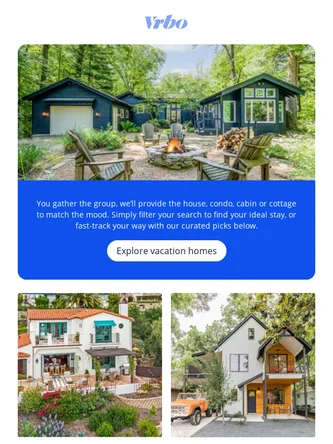
What sets them apart is pretty straightforward: they're all about whole homes. Not a couch in someone's living room, not a spare bedroom-entire properties. Beach houses, mountain cabins, lakefront cottages, that kind of thing. They've grown into a global community with unique properties in 190 countries around the world. And they're part of the Expedia Group now, which means they've got some serious backing and tech infrastructure.
The company's whole vibe centers on this idea of "togetherness"-families, friend groups, whoever you consider your people. Their marketing leans hard into multigenerational trips and creating memories with your crew. It's less about solo digital nomads and more about getting grandma, the kids, and everyone in between under one roof for a week. Notice how their tagline is basically "Make it a Vrbo"? They're trying to turn their name into a verb, which is ambitious but also kind of makes sense when you think about how people say "I booked an Airbnb."
Customer service is available 24 hours a day, 365 days a year, and they can help you through chat or over the phone. That's actually pretty solid for when things go sideways-and let's be real, with vacation rentals, sometimes they do. The platform lists over 2 million properties, so you've got options whether you're looking for something beachfront in Florida or a ski chalet in Colorado.
One interesting thing: Vrbo tends to attract property owners who are more hands-on with their rentals. Many are managing their own second homes rather than professional property management companies running dozens of listings. That can mean more personal touches but also potentially less consistency than you'd get with a hotel chain.
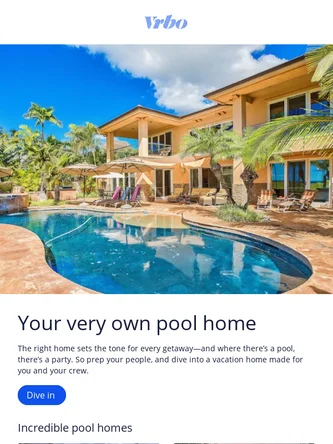
The booking process is pretty standard-search, filter by what you need (number of bedrooms, pet-friendly, pool, whatever), read reviews, book. They've got damage protection options and their payment processing goes through the platform, which adds a layer of security. Cancellation policies vary by property since hosts set their own, ranging from super flexible to basically no refunds, so you've got to read the fine print before you commit.