
Wedgwood
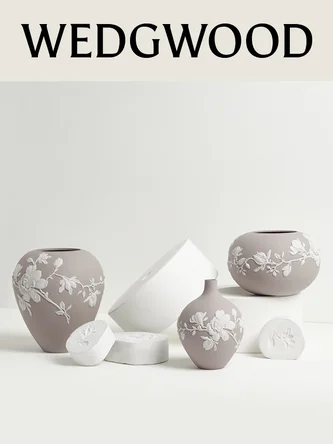
Wedgwood is an English fine china, porcelain and luxury accessories manufacturer founded in 1759, renowned for its iconic Jasperware, bone china dinnerware, and timeless British design. Now part of Fiskars Group, Wedgwood continues to blend traditional craftsmanship with contemporary style.

-
Wedgwood · Jan 05
-
Wedgwood · Dec 26
-
Wedgwood · Dec 22
-
Wedgwood · Dec 17
-
Wedgwood · Dec 16
-
Wedgwood · Dec 04
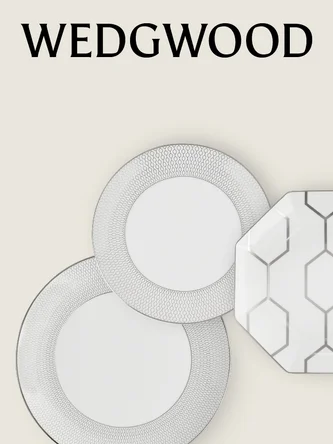
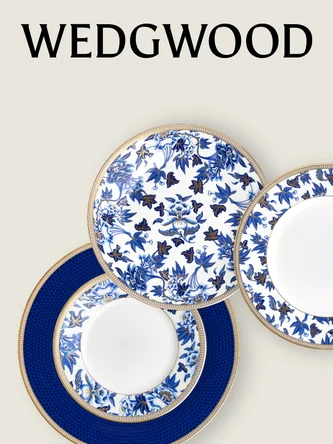
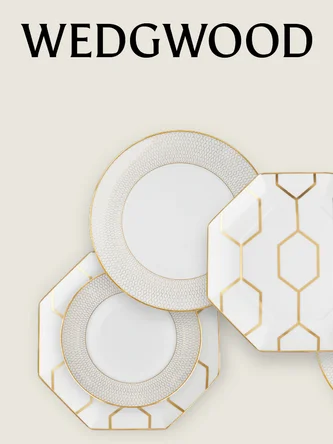

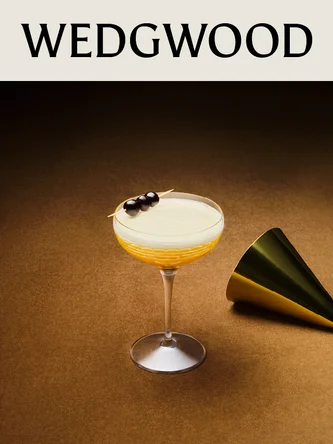


Wedgwood customer service
Use the convenient means below to contact Wedgwood customer service.

Returns
What is the return window?
For the holiday season, Wedgwood offers extended returns. For items purchased through December 31st, 2024, customers have 60 days from the date of purchase to return the product at their expense in the original packaging. For regular purchases, customers have 30 days from the delivery date to return unused products in original condition, though this has been extended to 100 days for peace of mind.
Are there any items that are non-returnable?
Certain charges are non-refundable, including engraved/personalized products and gift wrap charges.
How will I receive my refund?
Wedgwood will issue a refund within 14 days of receiving the product in original condition, equal to the original amount charged for the product. Shipping costs related to the original order and/or the return of the order will not be refunded.
Who pays for return shipping?
Except in instances where the item delivered was in error or was faulty or damaged, the customer is responsible for the expense of returning the goods.
What if I received a damaged or incorrect item?
If you receive any products that are faulty or damaged, Wedgwood will replace them or provide you with a refund. Please inform the Customer Service team within 7 days of receiving the products, and the team will make arrangements for the return and replacement of the goods in an appropriate manner.

Editor's Take
So here's the thing about Wedgwood-it's not just some china company. We're talking about a brand that's been around since 1759, which is kind of wild when you think about it. That's over 260 years of making plates and teacups, and somehow they're still relevant.
The story starts with this guy Josiah Wedgwood, who basically revolutionized pottery. He wasn't content just throwing clay on a wheel and calling it a day. No, he experimented obsessively, creating new ceramic bodies and techniques that nobody had seen before. His most famous invention? Jasperware-that iconic unglazed stoneware that comes in "Wedgwood blue," which you've probably seen even if you didn't know what it was called. It's been in continuous production since 1775, which tells you something about its staying power.
But here's what really set Wedgwood apart: the guy was a marketing genius before marketing was even a thing. He made a tea set for Queen Charlotte in 1765, and she liked it so much that he got permission to call his creamware "Queen's Ware." Boom-instant luxury status. That's basically the 18th-century version of influencer marketing, and it worked spectacularly. Suddenly everyone wanted what the Queen had.
The brand's been through a lot over the centuries. It stayed in the Wedgwood family for generations, survived two world wars, merged with Waterford Crystal in 1987, went through bankruptcy in 2009, and eventually became part of Fiskars Group in 2015. Through all that upheaval, though, the core identity remained: fine bone china, elegant design, British craftsmanship.
Today, Wedgwood operates primarily online, though they maintain their factory in Barlaston, England-the same location they moved to in 1940. World of Wedgwood, their visitor experience at that site, is actually a gold award-winning tourist destination where you can tour the factory, visit the V&A Wedgwood Collection museum, take pottery classes, and have afternoon tea. It's basically Disneyland for china enthusiasts.
The product line has evolved beyond traditional dinnerware. Sure, you can still get classic patterns like Wild Strawberry and Hummingbird, but they've also collaborated with designers like Vera Wang and Jasper Conran to create contemporary collections. They're trying to balance that heritage appeal with modern aesthetics, which isn't always easy when your brand identity is so tied to tradition.
What's interesting is how they've adapted to e-commerce. Most of their sales now happen through their website, shipping globally from their UK base. They offer free ground shipping on first orders for newsletter subscribers, run a loyalty program, and have extended return policies (60 days for holiday purchases). The customer service is primarily email-based for US customers, which might frustrate people who prefer phone support, but it's increasingly common for international brands.
The pricing reflects the luxury positioning-this isn't Target dinnerware. A single dinner plate can run $40-60, and full place settings easily hit several hundred dollars. But that's kind of the point. Wedgwood has always occupied that space between everyday dishes and museum-quality ceramics. It's special occasion china that you might actually use, assuming you're not too terrified of breaking it.
One thing that stands out: they're still making pieces by hand using traditional techniques. Apprentices train for up to 10 years to become Master Craftspeople, which seems almost anachronistic in our age of mass production. But that's also what justifies the price tag and maintains the brand's prestige.
The company's had to navigate some tricky waters recently. The pottery industry in Staffordshire, once the heart of British ceramics, has contracted dramatically. Many historic brands have disappeared or been reduced to licensing deals. Wedgwood survived by leaning into its heritage while modernizing its business model. Being part of Fiskars Group probably helps-they've got the resources and distribution network that an independent pottery company would struggle to maintain.
If you're thinking about buying Wedgwood, know what you're getting into. This is investment china, the kind you register for at weddings or inherit from grandparents. It's dishwasher-safe (mostly), surprisingly durable for how delicate it looks, and holds its value reasonably well. But it's also a commitment to a certain aesthetic and lifestyle. You're not just buying plates; you're buying into 260 years of British design history.