Zara
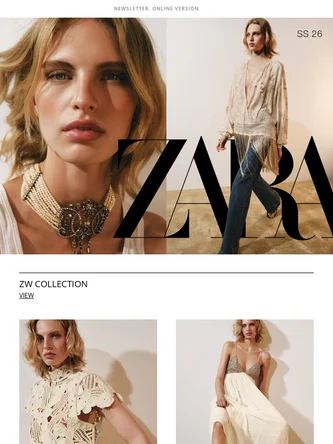
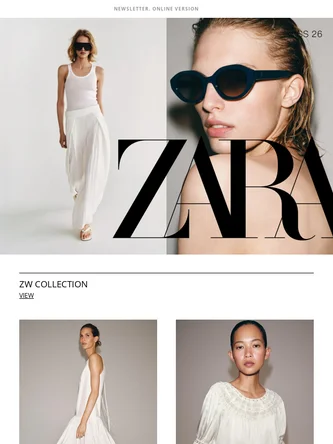
Zara is a Spanish fast fashion retailer known for bringing runway trends to stores in record time, offering trendy clothing, accessories, and beauty products for women, men, and kids.

-
Zara · Jul 10
-
Zara · Jul 07
-
Zara · Jul 03
-
Zara · Jun 24
-
Zara · Jun 19
-
Zara · Jun 15


Zara customer service
Use any of the convenient means below to contact Zara customer service.
| Phone | (855) 635-9272 |
| Web | https://www.zara.com/us/en/help-center |
| Chat | Click to chat |

Zara jobs
We are what you wear to work, what you decide to decorate your life with, what you choose for that special occasion. Teamwork, curiosity, diversity, sustainability, creativity and humility move the more than 160,000 individuals who make up the Inditex group. We're effective. We can devise, design, produce and distribute a garment in our markets in two weeks.
View current Zara jobs
Editor's Take
Zara isn't just another fashion retailer-it's basically the Tesla of fast fashion, except instead of revolutionizing cars, they've completely flipped the clothing industry on its head. And honestly? It's kind of wild how they've managed to pull it off.
Here's the thing that blows my mind about Zara: they can develop a new product and get it to stores in just one week, compared to the six-month industry average. One week! That's faster than most of us can decide what to wear to a wedding. They make roughly 40,000 designs annually, selecting around 12,000 for production-which means they're basically throwing fashion spaghetti at the wall to see what sticks, but doing it with surgical precision.
What's really clever is their whole anti-advertising approach. Zara has a policy of zero advertising; the company preferred to invest a percentage of revenues in opening new stores instead. Think about it-when's the last time you saw a Zara commercial? Never. They let their stores do the talking, and apparently, they're pretty chatty because while an average high-street store in Spain expects customers to visit three times a year, that goes up to 17 times for Zara.
The speed thing isn't just a party trick, either. If a design doesn't sell well within a week, it's withdrawn from shops, further orders are canceled and a new design is pursued. It's like fashion natural selection-survival of the trendiest. This creates this weird psychological effect where you feel like you need to buy something immediately because it might not be there next week. And you know what? You're probably right.
But here's where it gets interesting from a business perspective: some fashion-forward designs can stay on the shelves less than four weeks, which encourages Zara fans to make repeat visits. They've essentially gamified shopping. It's not just about buying clothes; it's about the thrill of the hunt, the fear of missing out, and the satisfaction of snagging something before it disappears forever.
The whole operation runs on what they call a "just-in-time" system borrowed from Toyota, which is pretty genius when you think about it. After products are designed, they take 10 to 15 days to reach the stores, and in most cases, the clothing is delivered within 48 hours. Meanwhile, Zara produces over 450 million items per year-that's more than one item for every person in the United States, annually.
What really sets them apart is understanding their customer base. The majority of Zara customers are aged between 18 and about 35, and they've built their entire model around serving that demographic's need for constant newness without breaking the bank. They're not trying to make clothes that last forever-Zara clothes are characterized as "clothes to be worn 10 times"-and that's actually the point.
It's fascinating how they've managed to scale this model globally while keeping that boutique feel. You walk into any Zara store, whether it's in Manhattan or Madrid, and it feels curated, almost like a gallery where the art happens to be wearable and reasonably priced.