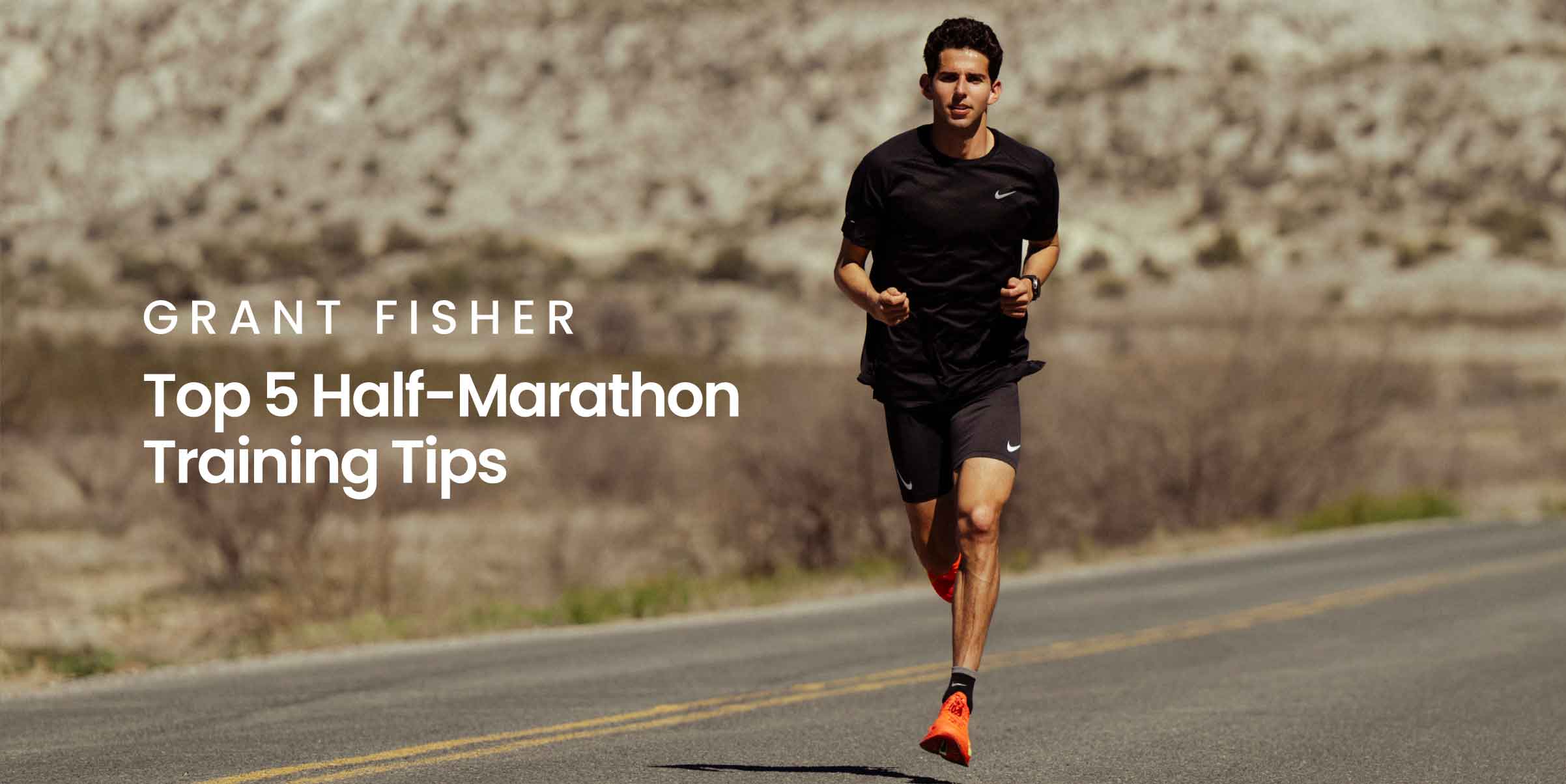
Whether you're training for your first half marathon or chasing a new personal best, Grant’s approach focuses on patience, consistency, and listening to your body. ͏ ͏ ͏ ͏ ͏ ͏ ͏ ͏ ͏ ͏ ͏ ͏ ͏ ͏ ͏ ͏ ͏ ͏ ͏ ͏ ͏ ͏ ͏ ͏ ͏ ͏ ͏ ͏ ͏ ͏ ͏ ͏ ͏ ͏ ͏ ͏ ͏ ͏ ͏ ͏ ͏ ͏ ͏ ͏ ͏ ͏ ͏ ͏ ͏ ͏ ͏ ͏ ͏ ͏ ͏ ͏ ͏ ͏ ͏ ͏ ͏ ͏ ͏ ͏ ͏ ͏ ͏ ͏ ͏ ͏ ͏ ͏ ͏ ͏ ͏ ͏ ͏ ͏ ͏ ͏ ͏ ͏ ͏ ͏ ͏ ͏ ͏ ͏ ͏ ͏ ͏ ͏ ͏ ͏ ͏ ͏ ͏ ͏ ͏ ͏ ͏ ͏ ͏ ͏ ͏ ͏ ͏ ͏ ͏ ͏ ͏ ͏ ͏ ͏ ͏ ͏ ͏ ͏ ͏ ͏ ͏ ͏ ͏ ͏ ͏ ͏ ͏ ͏ ͏ ͏ ͏ ͏ ͏ ͏ ͏ ͏ ͏ ͏ ͏ ͏ ͏ ͏ ͏ ͏ ͏ ͏ ͏ ͏ ͏ ͏

As 2× Olympic medalist Grant Fisher prepares for his half-marathon debut at the United Airlines NYC Half, his training has shifted from the speed of the track to the endurance demands of 13.1 miles.
We caught up with Grant to talk about how he’s adapting his training and what runners should focus on when preparing for a half marathon.
Here are five key lessons from his approach: - Build mileage gradually
- Trust the power of consistency
- Make strength training part of your routine
- Prioritize longer threshold workouts
- Protect your recovery
Whether you're training for your first half marathon or chasing a new personal best, Grant’s approach focuses on patience, consistency, and listening to your body. | | | | |
Copyright © 2026 Zepp North America, Inc. All rights reserved. | | | | |