Cold weather exposes small issues that can quickly become costly downtime. That’s why we recommend a short, repeatable maintenance check at the start of each shift. It doesn't take long and helps catch problems before cold temperatures do.
Thermal Sweep
Walk the exterior and access panels and scan for abnormal heat loss or hotspots around:
Engine bays
Electrical enclosures
Battery compartments
Fluid lines
You’re looking for temperature differences that signal loose connections, failing components, or restricted flow. Capture a few reference images so you can track changes over time.
Recommended tool
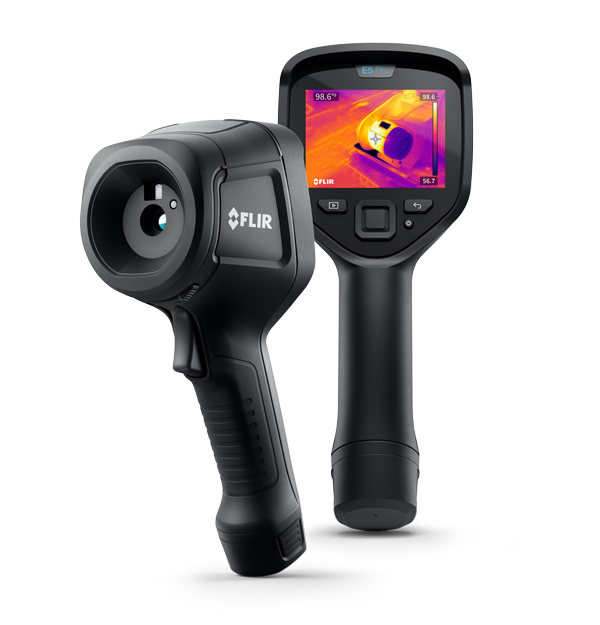
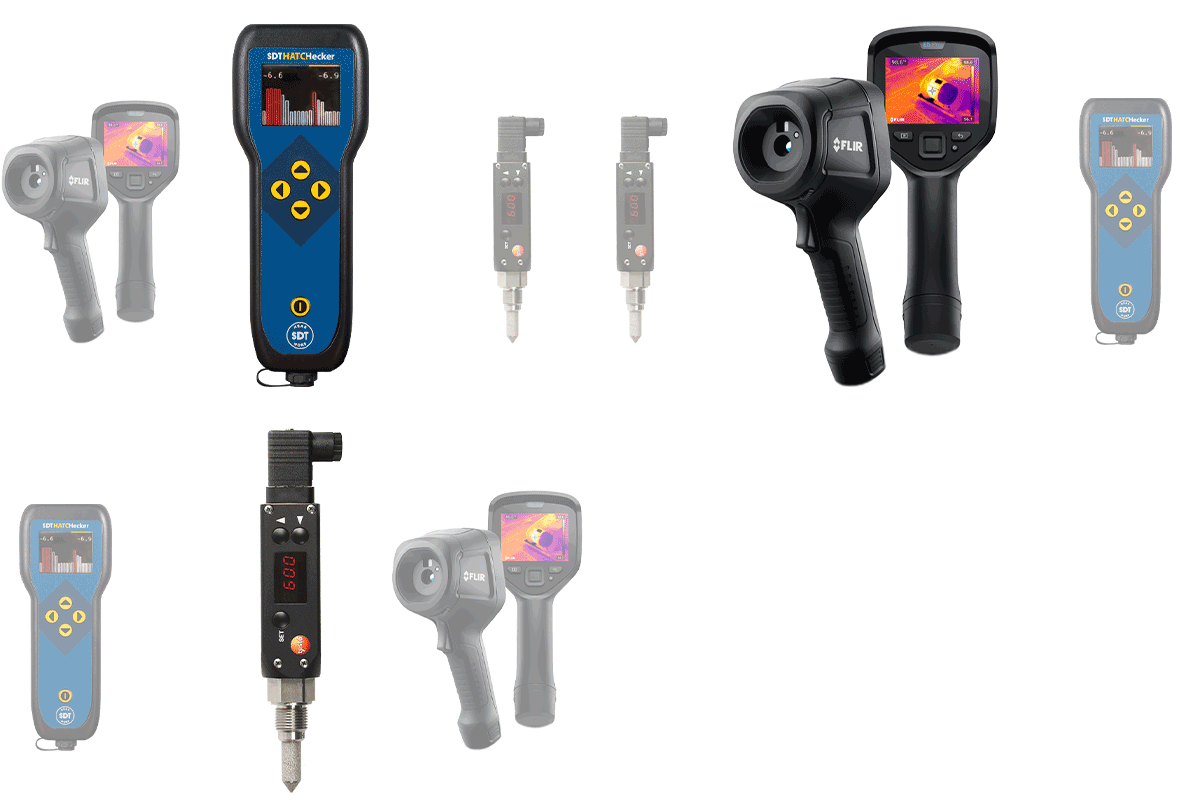
E5 Pro
MSX® detail for faster pattern recognition; Ignite™ cloud for instant share.
Verify that critical bearings are being lubricated correctly and not over- or under-greased. Improper lubrication increases friction, forces equipment to draw more power, and becomes even more problematic in cold temperatures when grease viscosity changes. Focus on:
Bearing lubrication points
Grease quantity and consistency
Signs of over-greasing or starvation
Abnormal bearing noise or vibration
These quick checks help prevent frozen lines, inefficient heating, and undetected failures that can escalate during sustained cold conditions.
Recommended tool
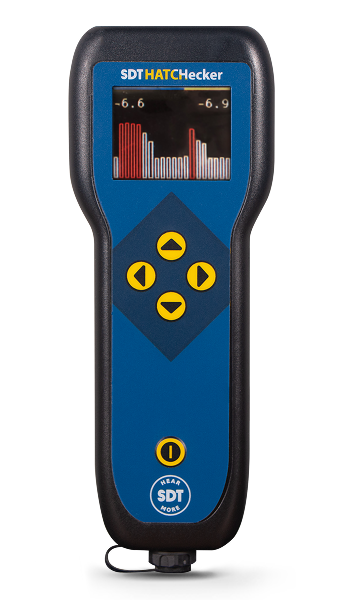
SDT ULTRAChecker
Handheld ultrasound detection for fast bearing checks and precision lubrication.
Check dew point levels in compressed air systems to confirm moisture is not accumulating in the lines. Condensation can freeze, restrict airflow, damage components, and lead to control or actuator failures during cold weather. Focus on:
Dew point readings at critical locations
Dryer and filtration performance
Areas prone to condensation buildup
Trends that indicate rising moisture levels
Keeping dew point below safe thresholds helps protect pneumatic equipment and maintain consistent system performance throughout the winter.
Recommended tool
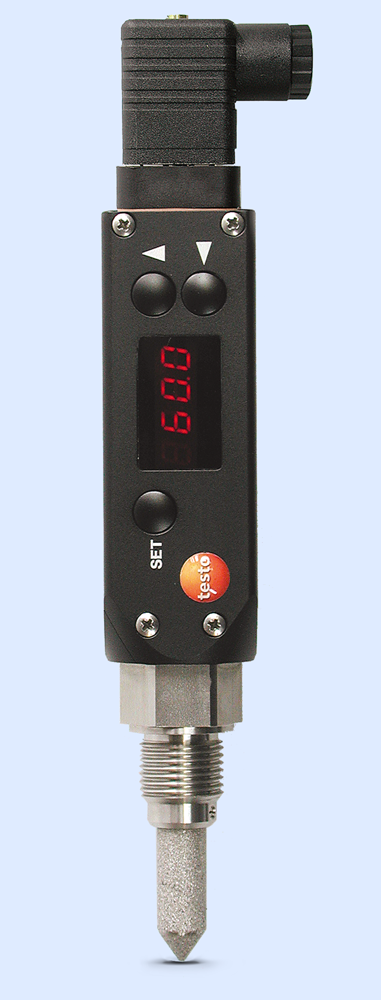
Dew Point Transmitter with Display
Continuous dew point monitoring to prevent condensation and frozen air lines.