> Catch issues before shutdown > Validate repairs with confidence > Avoid costly downtime surprises
Hi ,
You don’t get a second downtime window. Most downtime playbooks focus on restart and documentation, but by then, the risk is already built in. The difference between a smooth restart and unexpected issues often comes down to what’s caught before shutdown and what’s verified during maintenance.
This playbook focuses on the two phases where the most problems can be prevented; giving you the tools to identify issues early and confirm work before systems go back online.
Measure temperature, pressure, and electrical signals before shutdown and establish a reliable reference point so you can quickly detect drift or performance loss after restart. What to look for:
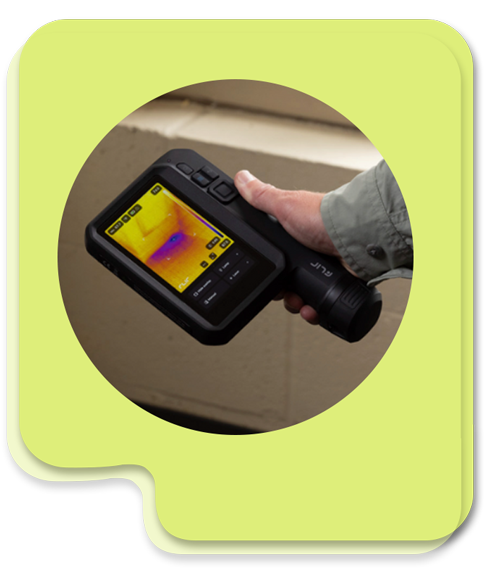
Identify heat patterns and electrical issues while systems are still under load. Catch early-stage overheating that often disappears once equipment is powered down. What to look for:
Temperature differences between similar components
Capture vibration signatures of rotating equipment and detect imbalance or wear conditions that could worsen during downtime or startup. What to look for:
Increases in amplitude vs baseline
Irregular or non-periodic vibration patterns
Frequency peaks tied to known fault conditions
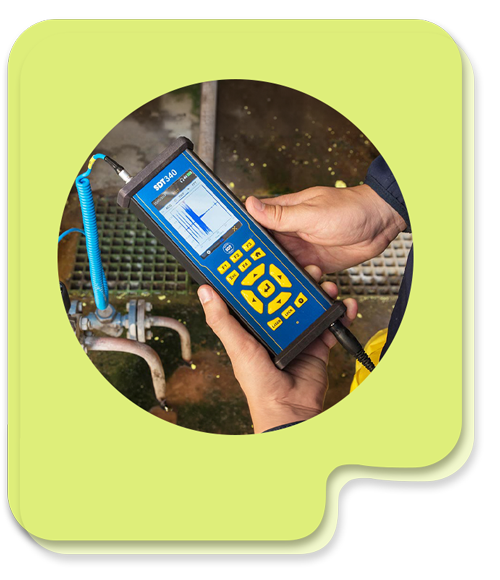
SDT340 Ultrasound Detector
Pinpoint leaks and mechanical faults before failure
Confirm connection integrity and bonding before closing panels. Ensure systems return to accurate operation before startup to avoid compounding errors. What to look for:
Readings that match known reference values
Consistent outputs across multiple checks
No unexpected offset after recalibration
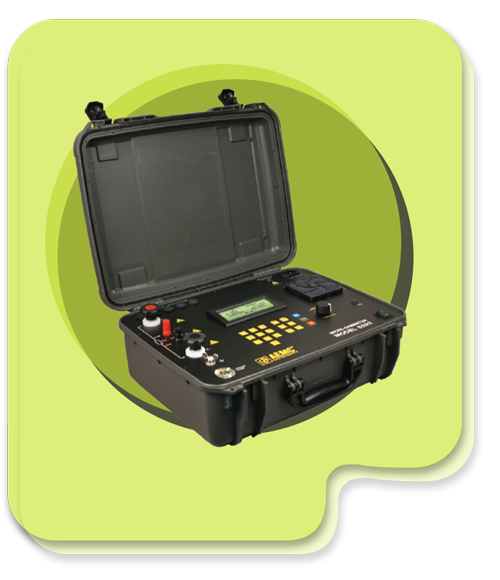
AEMC 6292 Micro-Ohmmeter
High-current testing for precise low resistance readings
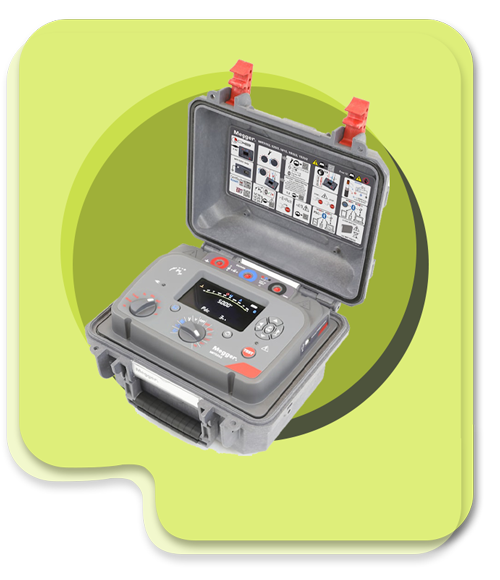
High-voltage insulation testing with diagnostic insight
Application: Insulation Testing
Detect insulation breakdown before systems are re-energized. Prevent startup failures and safety risks caused by hidden insulation degradation. What to look for:
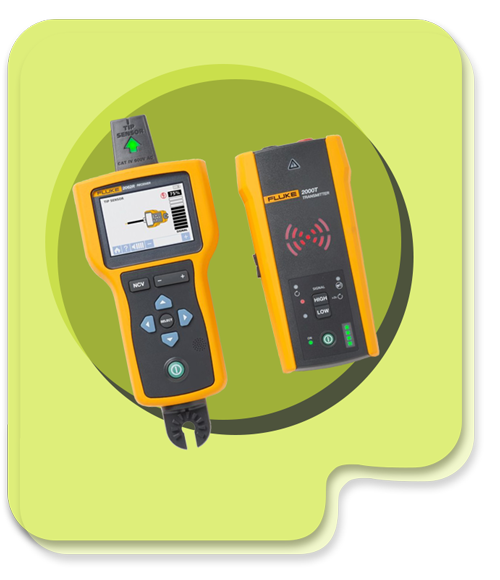
Eliminate miswiring and speed up troubleshooting and ensure every connection is correct before energizing to avoid faults, rework, or equipment damage. What to look for:
Clear, continuous signal tracing from source to endpoint
No unexpected cross-connections or signal bleed
Circuits that match documented layouts and labeling
Fluke 2062 Advanced Pro Wire Tracer Kit
Trace energized and de-energized circuits with confidence