Excess nitrogen in store-bought greens can cause stomach pain... ͏ ͏ ͏ ͏ ͏ ͏ ͏ ͏ ͏ ͏ ͏ ͏ ͏ ͏ ͏ ͏ ͏ ͏ ͏ ͏ ͏ ͏ ͏ ͏ ͏ ͏ ͏ ͏ ͏ ͏ ͏ ͏ ͏ ͏ ͏ ͏ ͏ ͏ ͏ ͏ ͏ ͏ ͏ ͏ ͏ ͏ ͏ ͏ ͏ ͏ ͏ ͏ ͏ ͏ ͏ ͏ ͏ ͏ ͏ ͏ ͏ ͏ ͏ ͏ ͏ ͏ ͏ ͏ ͏ ͏ ͏ ͏ ͏ ͏ ͏ ͏ ͏ ͏ ͏ ͏ ͏ ͏ ͏ ͏ ͏ ͏ ͏ ͏ ͏ ͏ ͏ ͏ ͏ ͏ ͏ ͏ ͏ ͏ ͏ ͏ ͏ ͏ ͏ ͏ ͏ ͏ ͏ ͏ ͏ ͏ ͏ ͏ ͏ ͏ ͏ ͏ ͏ ͏ ͏ ͏ ͏ ͏ ͏ ͏ ͏ ͏ ͏ ͏ ͏ ͏ ͏ ͏ ͏ ͏ ͏ ͏ ͏ ͏ ͏ ͏ ͏ ͏ ͏ ͏ ͏ ͏ ͏ ͏ ͏ ͏
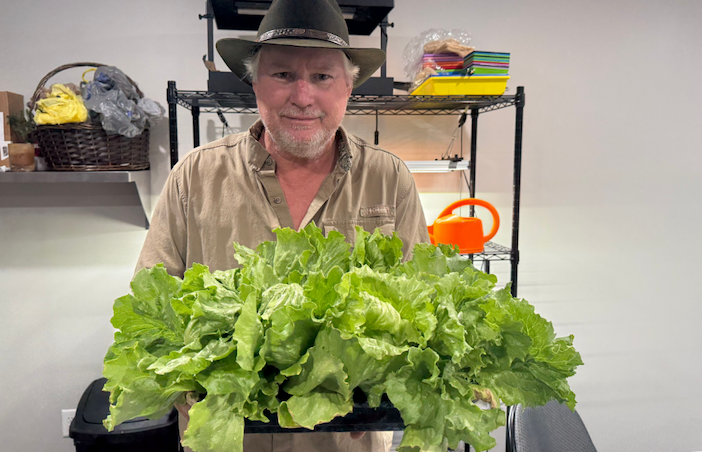
Hey Neighbor, Have you ever eaten a fresh salad or leafy greens that left you with stomach pain or even diarrhea? There may be a simple explanation: excess nitrogen. When too much nitrogen is applied to crops, it can build up inside the plant and cause nitrite poisoning. In the U.S., there are no restrictions on nitrogen application to food crops. In fact, a farmer could apply nitrogen to a lettuce field and harvest it that very same day. Even washing your greens thoroughly only removes about 10–15% of nitrites on the surface. But what about the nitrogen absorbed inside the plant? The European Union attempts to regulate and advise on nitrogen levels in food. The U.S., however, does not test or enforce any restrictions on how much—or how often—nitrogen can be applied. In a 2023 National Institute of Health study, Swiss chard and mixed salad samples showed the highest prevalence of nitrite contamination, with 41.2% and 54.5% affected. Why Growing Your Own is the Answer The safest way to ensure you’re eating truly healthy greens is to grow them yourself. With a simple indoor setup, you can harvest fresh lettuce 365 days a year. You’ll enjoy a steady supply of salads—and the peace of mind of knowing exactly what’s in your food. | | What You’ll Need to Get Started Varieties We Recommend: Get Dirty, P.S. Don't forget to check out the GET DIRTY SWEEPSTAKES! | | No longer want to receive these emails? Unsubscribe. Hoss 2052 Rl Sears Rd Norman Park, GA 31771 | | | | |