Learn how the right rotation keeps your soil energized and healthy all season. ͏ ͏ ͏ ͏ ͏ ͏ ͏ ͏ ͏ ͏ ͏ ͏ ͏ ͏ ͏ ͏ ͏ ͏ ͏ ͏ ͏ ͏ ͏ ͏ ͏ ͏ ͏ ͏ ͏ ͏ ͏ ͏ ͏ ͏ ͏ ͏ ͏ ͏ ͏ ͏ ͏ ͏ ͏ ͏ ͏ ͏ ͏ ͏ ͏ ͏ ͏ ͏ ͏ ͏ ͏ ͏ ͏ ͏ ͏ ͏ ͏ ͏ ͏ ͏ ͏ ͏ ͏ ͏ ͏ ͏ ͏ ͏ ͏ ͏ ͏ ͏ ͏ ͏ ͏ ͏ ͏ ͏ ͏ ͏ ͏ ͏ ͏ ͏ ͏ ͏ ͏ ͏ ͏ ͏ ͏ ͏ ͏ ͏ ͏ ͏ ͏ ͏ ͏ ͏ ͏ ͏ ͏ ͏ ͏ ͏ ͏ ͏ ͏ ͏ ͏ ͏ ͏ ͏ ͏ ͏ ͏ ͏ ͏ ͏ ͏ ͏ ͏ ͏ ͏ ͏ ͏ ͏ ͏ ͏ ͏ ͏ ͏ ͏ ͏ ͏ ͏ ͏ ͏ ͏ ͏ ͏ ͏ ͏ ͏ ͏
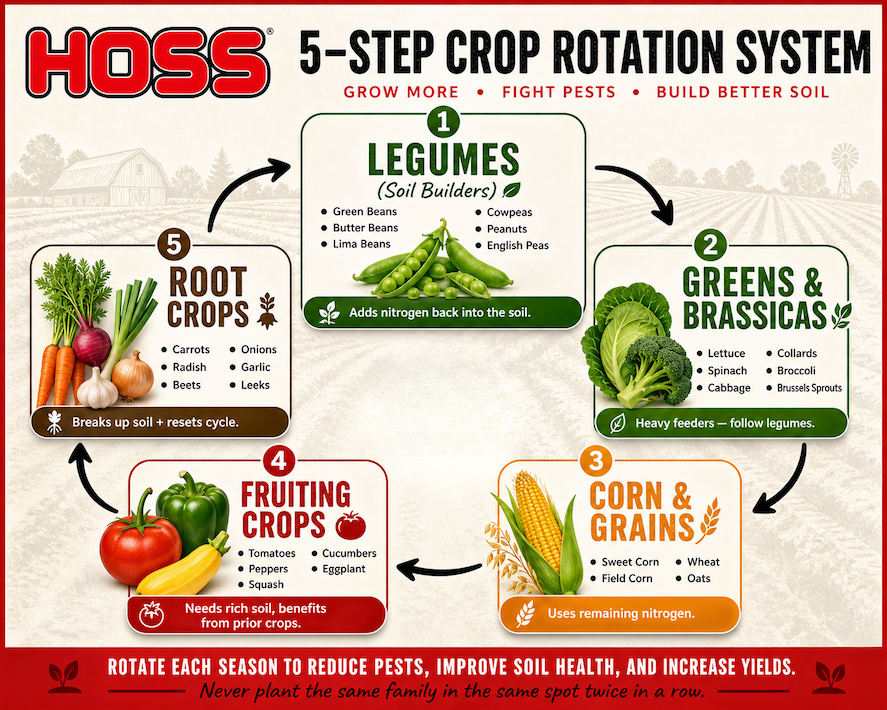
The most successful gardens are not just about what you plant but where and when you plant it. Rotating your crops each season is a simple strategy that adds vital nutrients back into your soil while breaking the cycle of pests and disease. Here's how to do it: Rotate plant families – Avoid repeated planting of the same group, such as nightshades (tomatoes, peppers, etc.) or brassicas (broccoli, cabbage, etc.), in the same spot back-to-back. Break the pest cycle – Most diseases are family specific. Moving your crops every season prevents pests and pathogens from building up your soil. Recharge with Cover Crops – planting cover crops (aka green manure) between rotations restores vital nutrients and prepares your ground for the next heavy-feeding varieties.
Follow our quick guide below to start rotating your crops like a pro. | | Find more ways to maximize your garden with our | | Rotating your crops is the easiest way to keep your garden beds healthy and productive without extra work. Don't wait for pests and disease to take over. | | No longer want to receive these emails? Unsubscribe. Hoss 2052 Rl Sears Rd Norman Park, GA 31771 | | | | |