A few pointers to help you grow your best onions. ͏ ͏ ͏ ͏ ͏ ͏ ͏ ͏ ͏ ͏ ͏ ͏ ͏ ͏ ͏ ͏ ͏ ͏ ͏ ͏ ͏ ͏ ͏ ͏ ͏ ͏ ͏ ͏ ͏ ͏ ͏ ͏ ͏ ͏ ͏ ͏ ͏ ͏ ͏ ͏ ͏ ͏ ͏ ͏ ͏ ͏ ͏ ͏ ͏ ͏ ͏ ͏ ͏ ͏ ͏ ͏ ͏ ͏ ͏ ͏ ͏ ͏ ͏ ͏ ͏ ͏ ͏ ͏ ͏ ͏ ͏ ͏ ͏ ͏ ͏ ͏ ͏ ͏ ͏ ͏ ͏ ͏ ͏ ͏ ͏ ͏ ͏ ͏ ͏ ͏ ͏ ͏ ͏ ͏ ͏ ͏ ͏ ͏ ͏ ͏ ͏ ͏ ͏ ͏ ͏ ͏ ͏ ͏ ͏ ͏ ͏ ͏ ͏ ͏ ͏ ͏ ͏ ͏ ͏ ͏ ͏ ͏ ͏ ͏ ͏ ͏ ͏ ͏ ͏ ͏ ͏ ͏ ͏ ͏ ͏ ͏ ͏ ͏ ͏ ͏ ͏ ͏ ͏ ͏ ͏ ͏ ͏ ͏ ͏ ͏
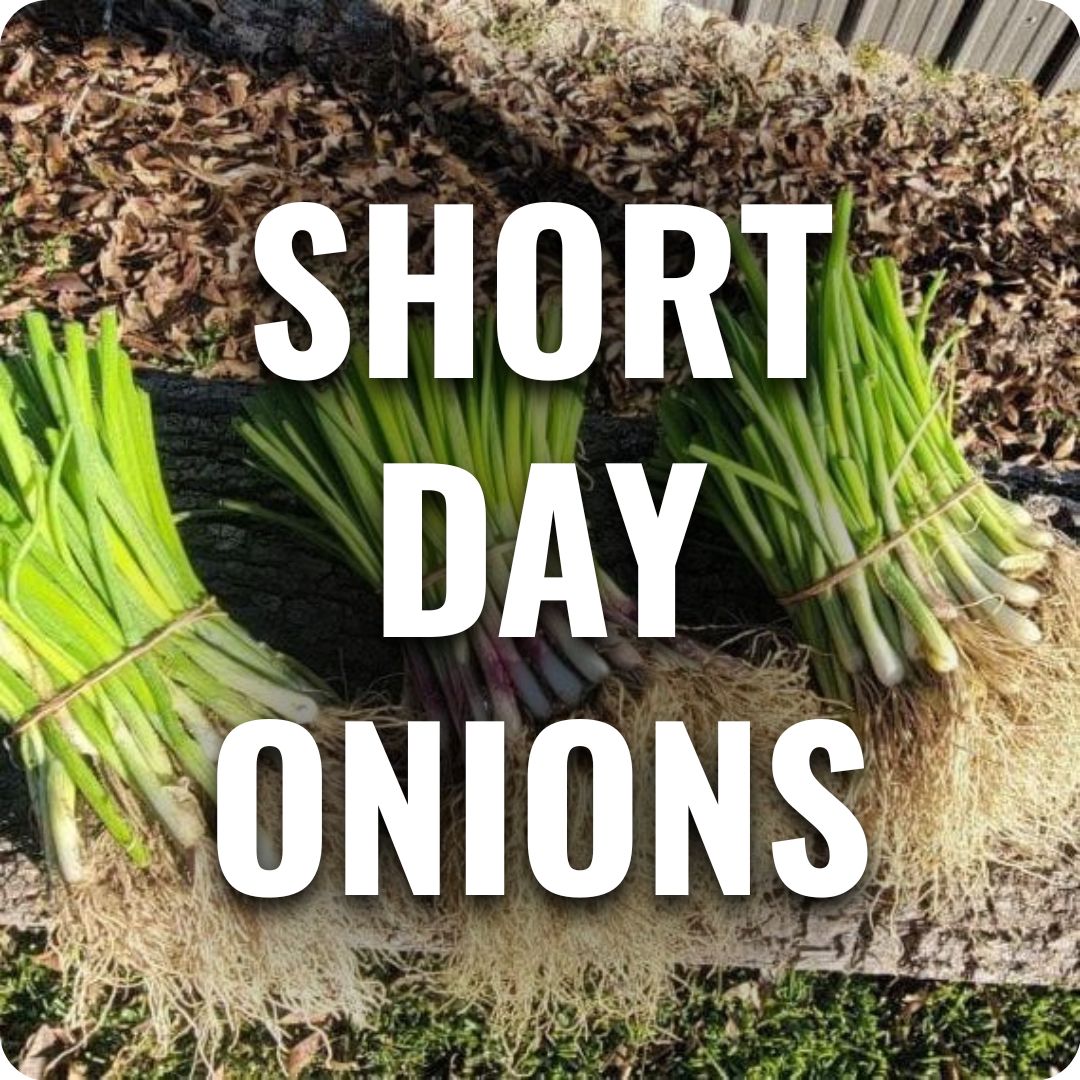
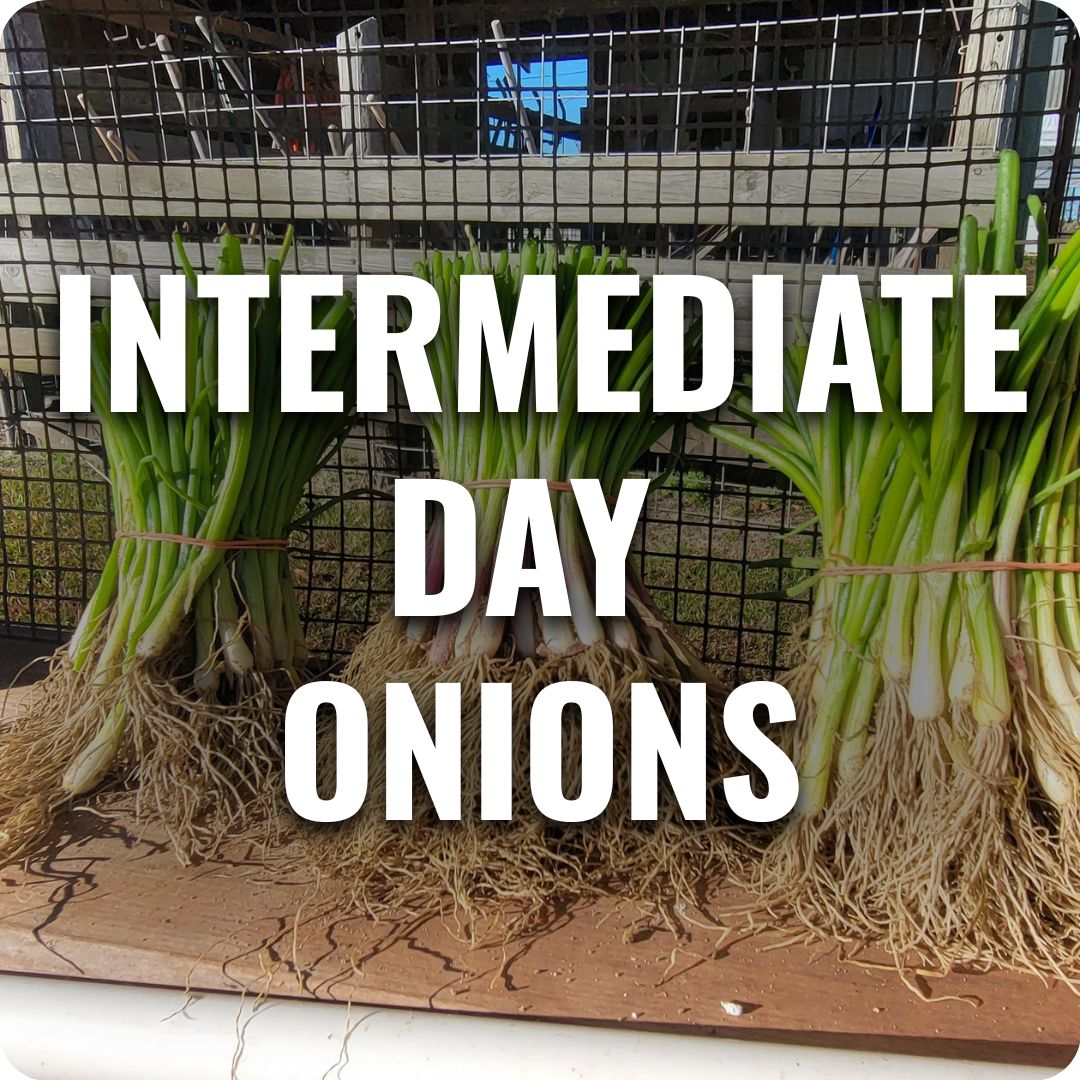
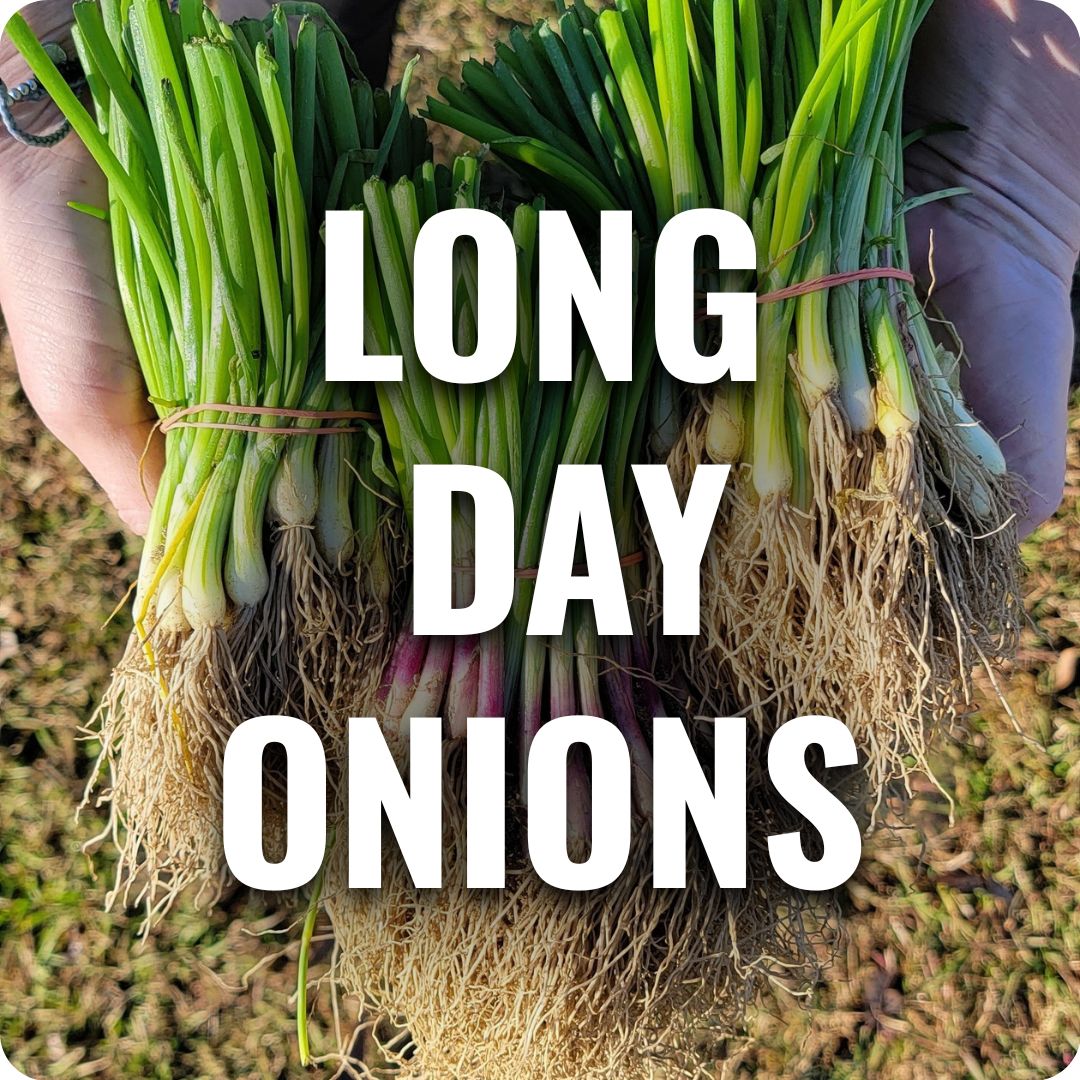
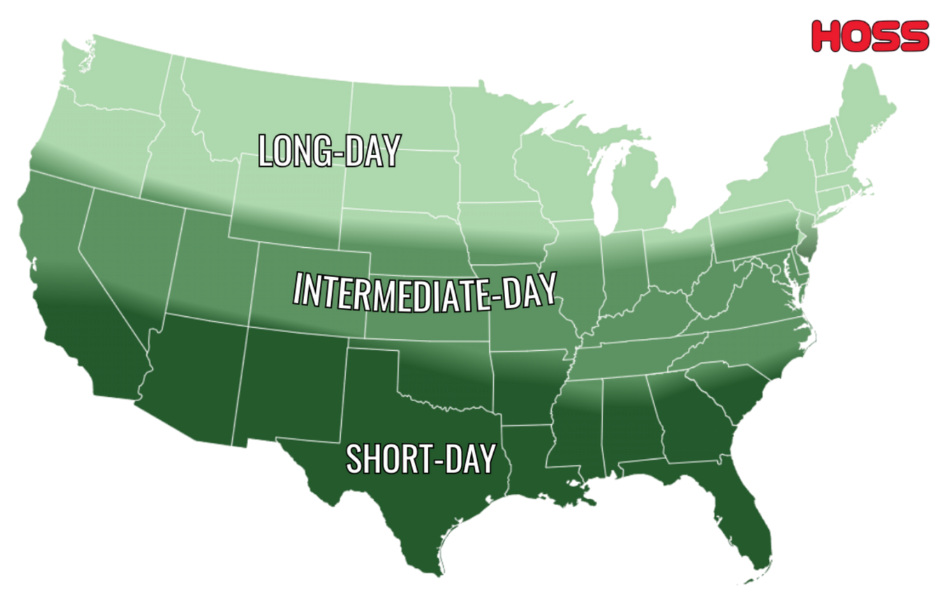
Growing great onions stars with a little know-how. These tips will help you grow bigger, better bulbs this season. | | Know your day length! There are three types of onions for each region of the states. Short Day, Intermediate Day, and Long Day. Choosing the right type of onion determines the size of your bulbs! | | Short-Day Onions: Perfect for the southern U.S., these onions bulb when days reach 10–12 hours. Plant in fall or winter for a spring harvest. | | Intermediate-Day Onions: Best for the central U.S., they start bulbing with 12–14 hours of daylight. Ideal planting time would be early spring. | | Long-Day Onions: Ideal for northern regions, these need 14–16 hours of daylight to start bulbing. Plant in spring for a bountiful summer harvest. | | | | |
- Prep Your Soil: Aim for a pH of 6.0 - 6.5. Use loose, well-drained soil. Heavy soil can stunt bulb growth.
- Water Wisely: Onions have shallow roots, so provide 1-2 inches of water weekly. Avoid overwatering late in the season to prevent rot.
- Harvest Timing: Trim seedlings early to strengthen the roots and stems but stop once bulbs begin to form. When half the tops fall over, stop watering and let onions dry for 1-2 weeks.
Your onions will be healthy, flavorful, and ready to store in no time! | | | | |
Only a few more days until the end of our Get Dirty Sweepstakes, where you can win this Polaris Ranger! Every dollar you spend counts as one entry. | | | | |
No longer want to receive these emails? Unsubscribe. Hoss 2052 Rl Sears Rd Norman Park, GA 31771 | | | | |