Short, Intermediate, or Long-Day? ͏ ͏ ͏ ͏ ͏ ͏ ͏ ͏ ͏ ͏ ͏ ͏ ͏ ͏ ͏ ͏ ͏ ͏ ͏ ͏ ͏ ͏ ͏ ͏ ͏ ͏ ͏ ͏ ͏ ͏ ͏ ͏ ͏ ͏ ͏ ͏ ͏ ͏ ͏ ͏ ͏ ͏ ͏ ͏ ͏ ͏ ͏ ͏ ͏ ͏ ͏ ͏ ͏ ͏ ͏ ͏ ͏ ͏ ͏ ͏ ͏ ͏ ͏ ͏ ͏ ͏ ͏ ͏ ͏ ͏ ͏ ͏ ͏ ͏ ͏ ͏ ͏ ͏ ͏ ͏ ͏ ͏ ͏ ͏ ͏ ͏ ͏ ͏ ͏ ͏ ͏ ͏ ͏ ͏ ͏ ͏ ͏ ͏ ͏ ͏ ͏ ͏ ͏ ͏ ͏ ͏ ͏ ͏ ͏ ͏ ͏ ͏ ͏ ͏ ͏ ͏ ͏ ͏ ͏ ͏ ͏ ͏ ͏ ͏ ͏ ͏ ͏ ͏ ͏ ͏ ͏ ͏ ͏ ͏ ͏ ͏ ͏ ͏ ͏ ͏ ͏ ͏ ͏ ͏ ͏ ͏ ͏ ͏ ͏ ͏
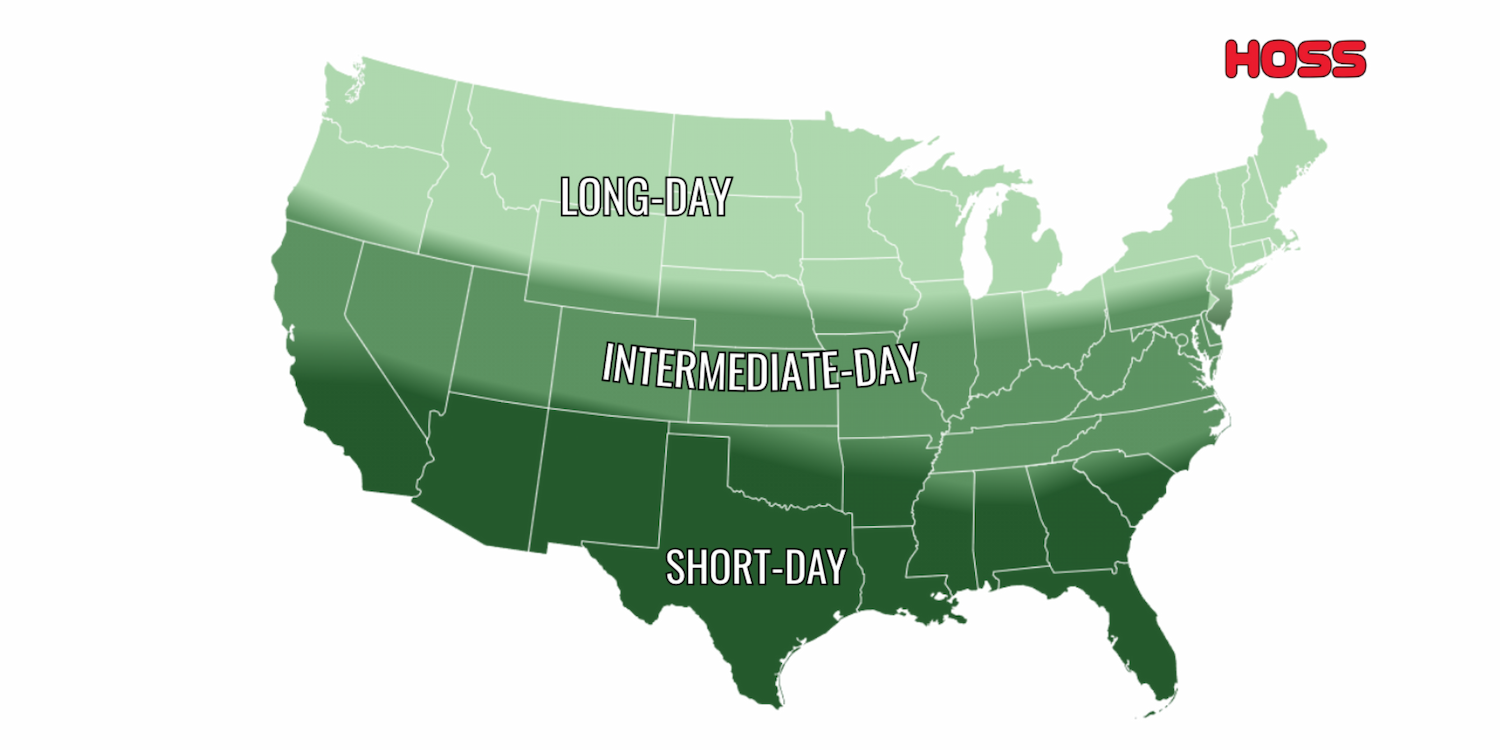
Long- Day varieties will form bulbs with 14-16 hours of daylight, typically grown in northern regions (Zones 6 and colder), and planted in late winter/early spring. Intermediate-Day varieties will form bulbs with 12-14 hours of daylight, normally grown in zones 5-7, and should be planted in the fall. Short-Day varieties will form bulbs with 10-12 hours of daylight and only need mild winter climates (Zones 7 and warmer). These should be planted in the fall for a maturity in late spring. | | | | |
Your Complete Solution to All Things Gardening! | | No longer want to receive these emails? Unsubscribe. Hoss 2052 Rl Sears Rd Norman Park, GA 31771 | | | | |
Want Text Updates?? Click to Join |
|
| | |