| | | Holidays at The Met Cloisters | 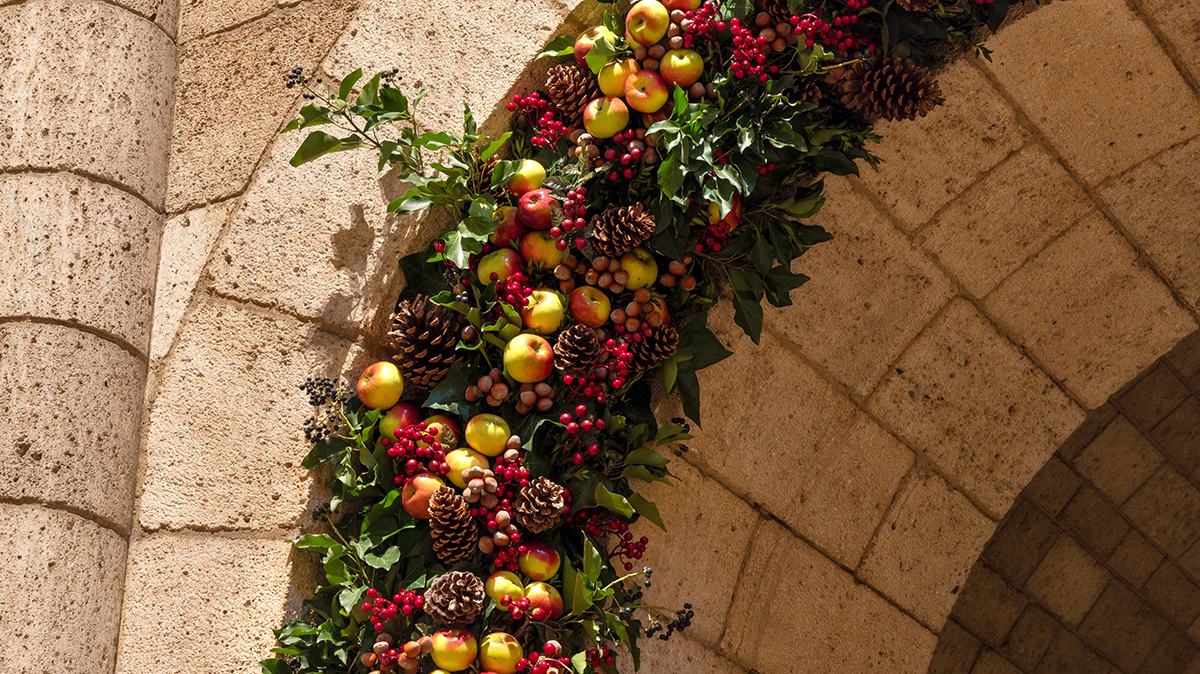 | | Workshop—Holiday Wreathmaking at The Met Cloisters | Tuesday, December 9, 5–7:30 pm or Wednesday, December 10, 2–4:30
Cuxa Cloister, The Met Cloisters
Create your very own medieval wreath inspired by the beloved winter holiday decorations at The Met Cloisters. Learn about the symbolic meaning of plants, view the decorations, then create a festive wreath alongside horticultural experts in this unique event. All materials are provided.
Fee: $125. Note: Space is limited; advance registration is required. Registration closes Monday, December 8, 2025, or when registration is full.
Register now → | | Holiday Tour at The Met Cloisters | Daily (except Wednesdays), 11am–12pm
Cloisters Main Hall, The Met Cloisters
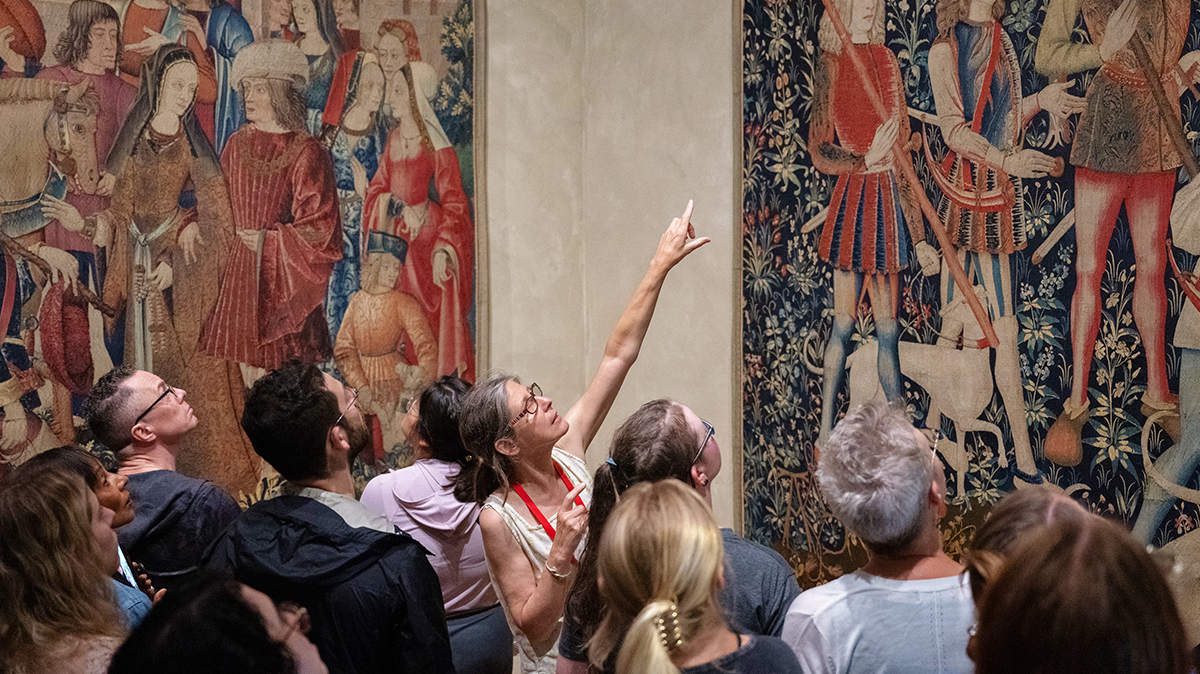
Celebrate the winter season with a tour of the holiday decorations at The Met Cloisters. Learn how plants were used in winter celebrations such as Roman Saturnalia and Medieval Christmastide and explore how Hanukkah was celebrated in the Middle Ages. Meet in the Main Hall.
Free with Museum Admission.
Learn more → | |  | | | | | | | | | | |  | 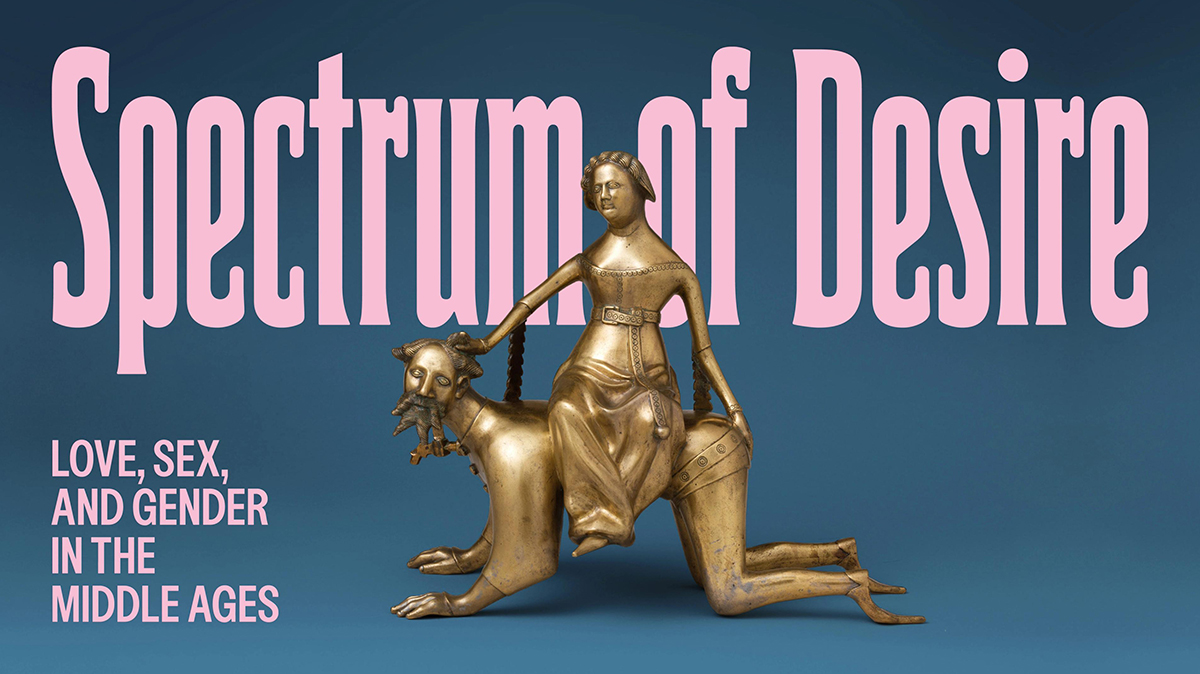 | | Spectrum of Desire: Love, Sex, and Gender in the Middle Ages | | NOW OPEN | Through March 29, 2026
Gallery 002, Fuentidueña Chapel
Set in the stunning atmosphere of The Met Cloisters, this exhibition explores the often-overlooked themes of desire, sexuality, and gender in the medieval past, a period of time when most artistic production served religious purposes.
Desire in the Middle Ages was multifaceted. It could be courtly or carnal, sacred or subversive, and expressed as a kind of longing, suffering, or joy. Medieval artists could be both deeply serious and comical in their evocations of these feelings. Drawing on decades of scholarship, Spectrum of Desire opens up new ways of seeing the past through stirring works of art that inspire us to think more expansively about people who lived in the Middle Ages, their relationships, and the artworks they produced.
Featuring more than fifty works—from gold jewelry and ivory sculptures to stained glass, illuminated manuscripts, and woven textiles—this exhibition showcases the richness of visual expression in western Europe from the 13th to the 15th century, drawing primarily from The Met collection. This exploration of the visual language of desire in its many forms invites us to reflect on our own ideas of love, identity, and kinship today.
Learn more → | | 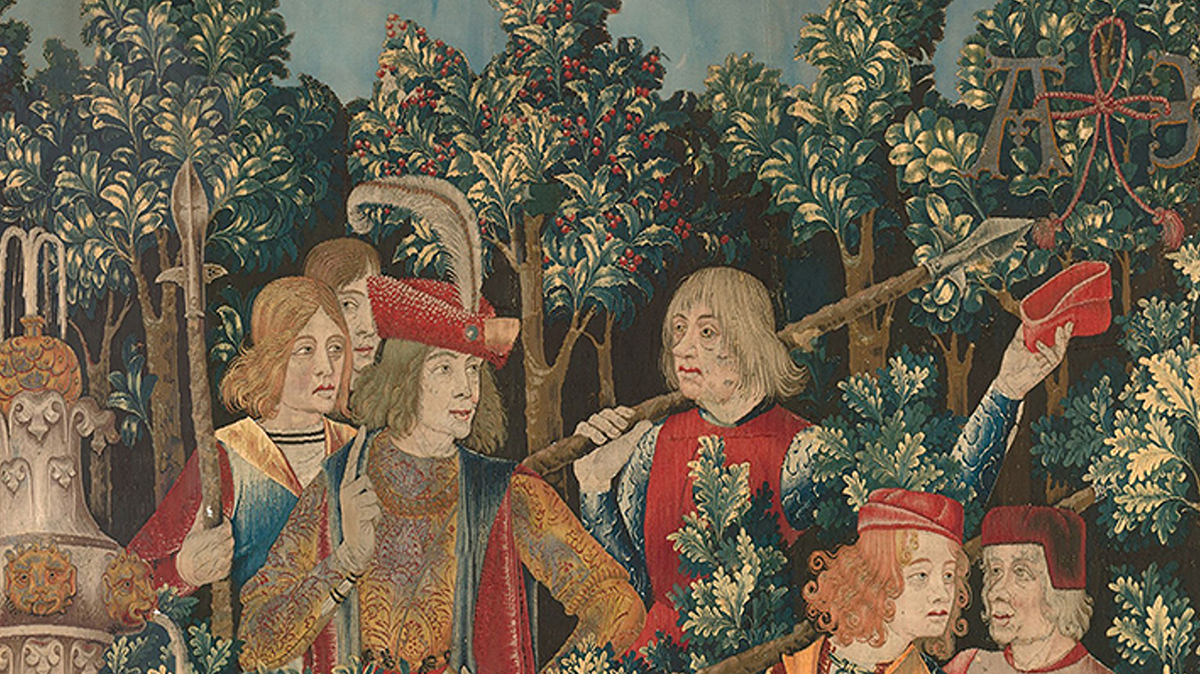 | | The Halls Are Decked at The Met Cloisters | Visual evidence for medieval holiday decorations is extremely rare, but references in carols and other sources provide information that informed the design of our decorations. Evergreens feature heavily because they were particularly important plants in medieval Europe during this festive time of year. Used in both domestic and sacred spaces, plants were believed to be agents of blessing and providers of protection. Evergreens were reminders of the coming spring and of the promise of eternal life since they remained green while other trees were bare.
Learn more → | | | | Accessibility at The Met
The Met is committed to accessibility for all. For information about accessibility, programs, and services for people with disabilities at both Met sites, visit metmuseum.org/access. To request an access accommodation for virtual programs or online resources, email [email protected], or call 212-650-2010. For information about accessibility on our website, see our Website Accessibility Statement. | Spectrum of Desire: Love, Sex, and Gender in the Middle Ages is made possible by the Michel David-Weill Fund and Kathryn A. Ploss.
Public programs at The Met Cloisters are made possible in part by The Helen Clay Frick Foundation.
For Education program funders, visit metmuseum.org/educationfundingsupport.
Your support allows the Museum to collect, conserve, and present 5,000 years of world art. Donate now.
Images: Holidays at The Met Cloisters image by Imaging, The Met | The Unicorn Is Found (from the Unicorn Tapestries) (detail), 1495–1505. South Netherlandish. Wool warp with wool, silk, silver, and gilt wefts, 145 x 149 in. (368.3 x 378.5 cm). The Metropolitan Museum of Art, New York, Gift of John D. Rockefeller Jr., 1937 (37.80.2) | All other photos by Filip Wolak | | | |