| |  | | | | News | 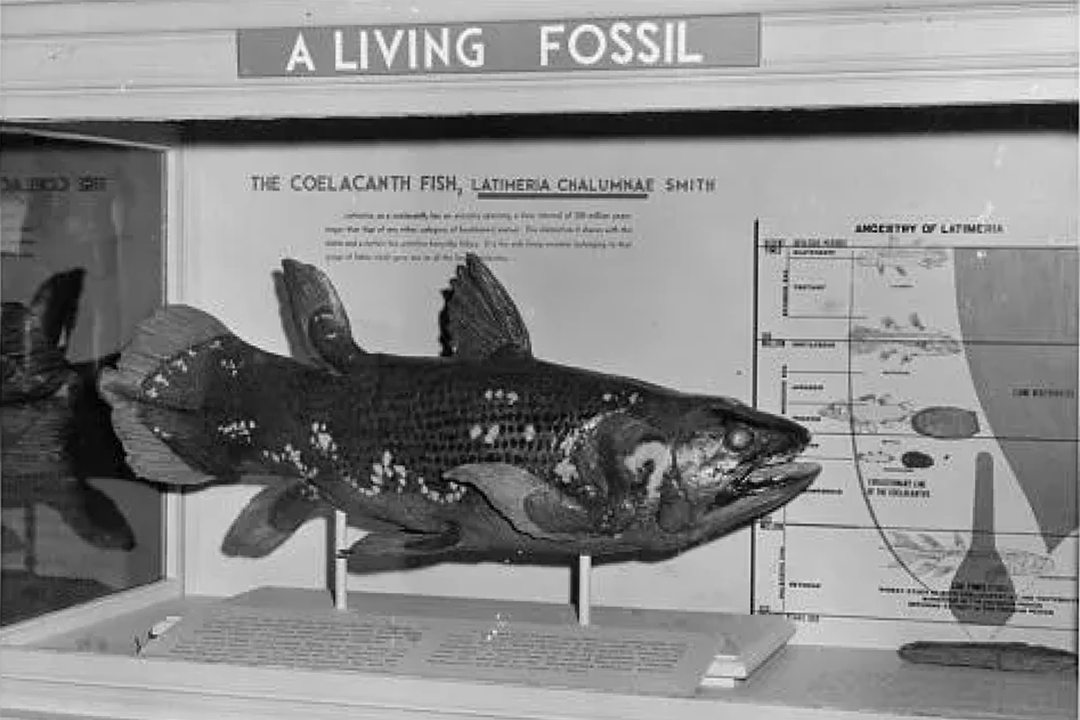 | | Image credit: Smithsonian Institution Archives | |
Research Reveals the Unusual Anatomy of a “Living Fossil” Fish
Smithsonian researchers have peeled back the layers of a 400-million-year-old mystery, dissecting the head of a “living fossil” fish known as a coelacanth. Click the link below to learn how the analysis uncovered three previously unknown muscles, correcting decades of anatomical misconceptions and adding to the extraordinary legacy of the late Dave Johnson, NMNH’s former curator of fishes.
| | |  | | Image credit: Chip Clark, Smithsonian Institution | |
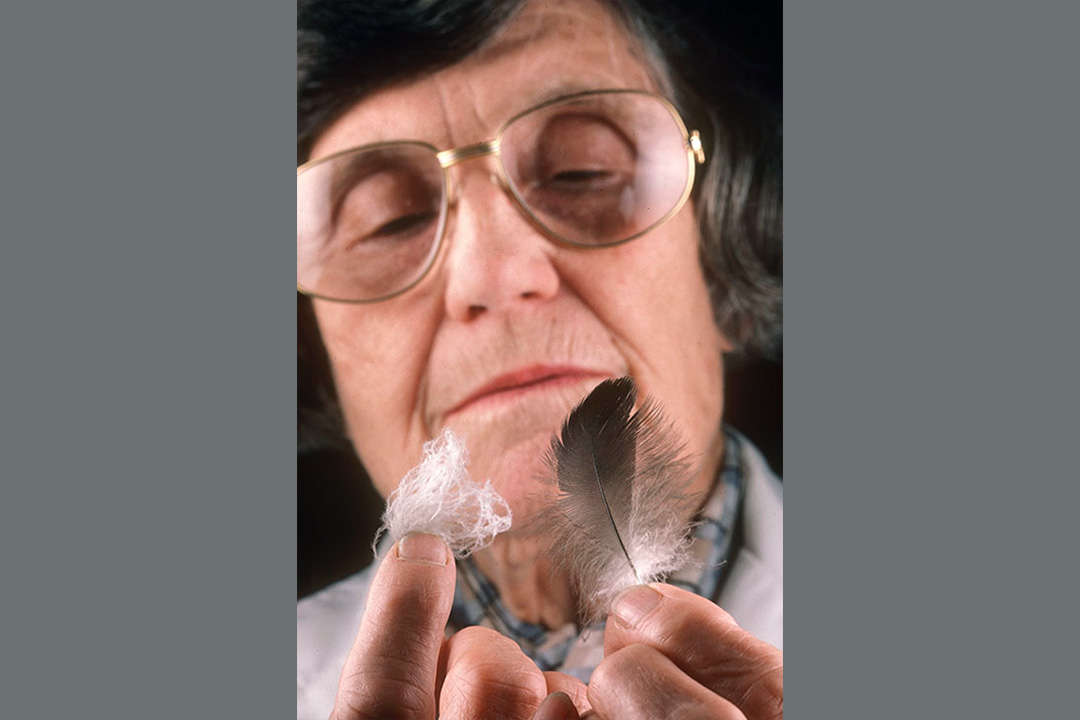
Meet the Smithsonian’s First Feather Detective
In the investigation of disasters or crimes, even the tiniest feather can provide important evidence. As Roxie Laybourne built her career around solving these avian mysteries, she pioneered an entirely new scientific field known as forensic ornithology. Click the link below to learn about “The Feather Detective,” a new book that explores Laybourne’s life and career as she set the groundwork for the Smithsonian’s Feather Identification Lab.
| | | | Events and Activities | 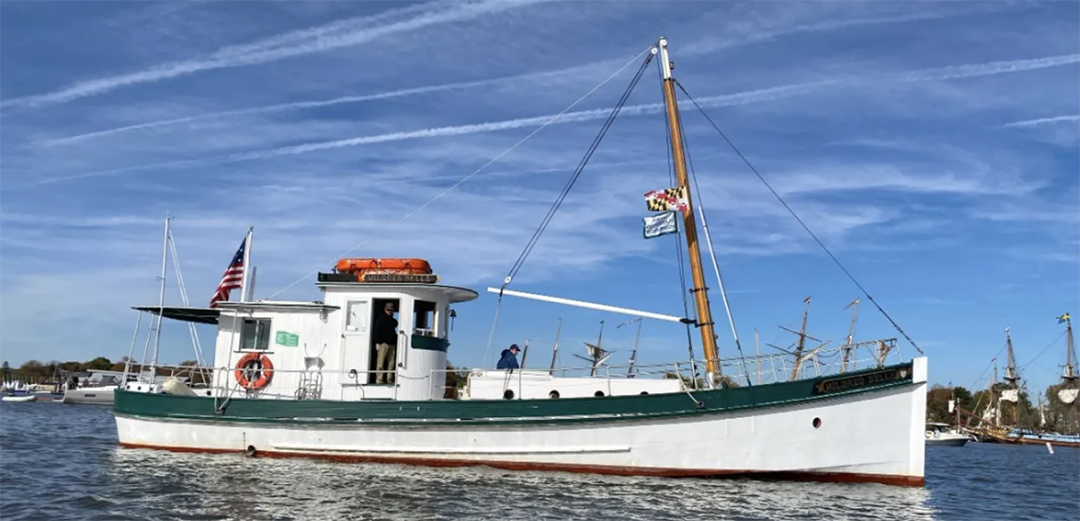 | | Image credit: Living Classrooms | Here is our latest programming guide. Click here for a full schedule of upcoming public programs and a link to previously scheduled video webinars. For Families The World & Me: Life ON and IN the Water! Explore life ON and IN the water with our friends from Living Classrooms. Come learn from educators about sailors, working on a boat, how boats communicate with one another, and where you can visit the Mildred Belle, a Chesapeake Bay buyboat. Look up close at oysters and specimens from our museum's collections while being inspired to design your own postage stamp in celebration of buyboats like the Mildred Belle. Saturday, August 2, 10:00 a.m. - 12:30 p.m. ET
Location: Q?rius, The Coralyn W. Whitney Science Education Center, Ground Floor Join us on Tuesdays for special family play dates with museum educators: For Adults Q?rius After Hours - August Enjoy an evening of free play that will connect you to the natural world in Q?rius, the Coralyn W. Whitney Science Education Center. Come in and explore at your own pace. Feed your curiosity opening specimen drawers in the Q?rius Collection, sit down and do a puzzle with old or new friends, try a board game, talk with experts, or lose track of time making art inspired by the natural world. Check out these featured topics and experts for August: - Dune-esque Ancient Worms with NMNH Deep Time Peter Buck postdoctoral fellow Kat Turk
- Mass Extinctions in Ancient Oceans with NMNH paleobiology postdoctoral fellow Sarah Leventhal
- Putting Plant-damaging Insects of the Past to Work: The History of Insect Herbivory with NMNH paleoecologist Conrad Labanderia
- The Art of Preserving Plants featuring hands-on botany specimen preparation with NMNH museum specialist Erika Gardner
- Fossil hunting and sorting
This program is designed for adults. Registration is free and highly encouraged. Space is filled at a first come first served basis.
Wednesday, August 13, 6:30 - 8:30 p.m. ET
Location: Q?rius, The Coralyn W. Whitney Science Education Center, Ground Floor For Everyone Experts Are In! Stop by the Sant Ocean Hall to talk with experts about their work: | | | | In Case You Missed It | 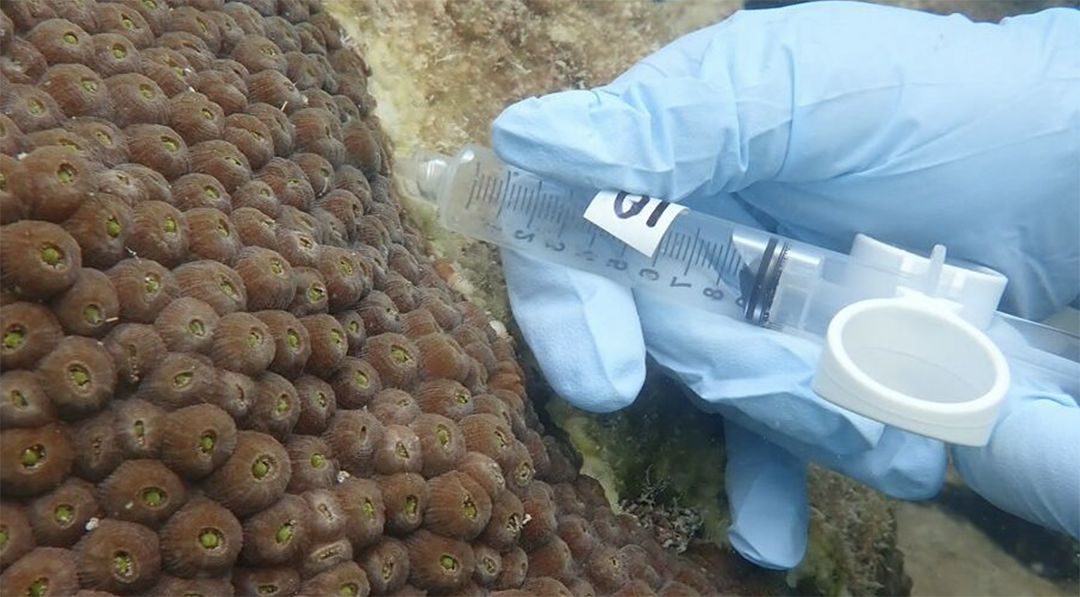 | | Image credit: Mongabay | |
Probiotic Shows Promise in Slowing Deadly Coral Disease
Off the coast of Florida, a ruthless disease is turning vibrant coral reefs ghostly white - capable of wiping out entire colonies in a matter of weeks. New research conducted by a team of researchers at the Smithsonian Marine Station suggests that the probiotic McH1-7 could be the key to slowing the disease and restoring coral biodiversity. Click the link below to learn more.
| | | | Support Natural History Today | 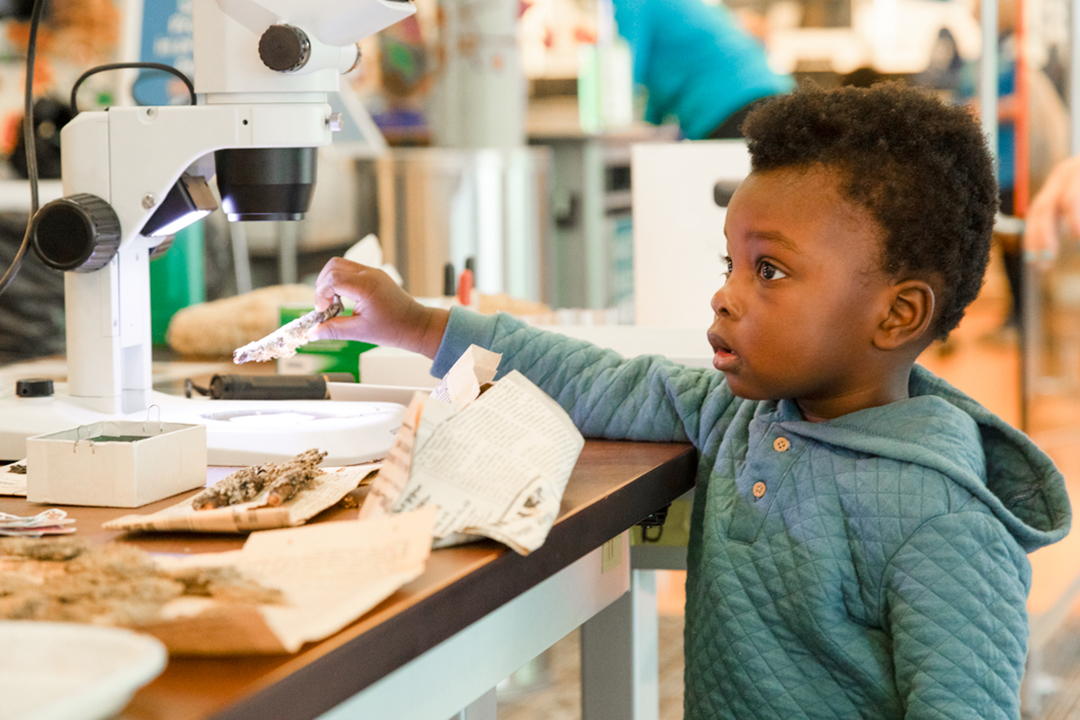 | | Image Credit: Phillip R. Lee, Smithsonian | |
Thank you for your interest in NMNH! Your generosity enables the museum to address the big questions that society faces and our fundamental understanding of how people and nature interact. Click the links below to help us spark curiosity, discovery, and learning about the natural world and our place in it.
| | | | | | | | | | | | | © 2025 Smithsonian National Museum of Natural History 10th St. and Constitution Ave., NW | Washington, DC 20013 Privacy Policy | Unsubscribe | |  |