| |  | | | | News | 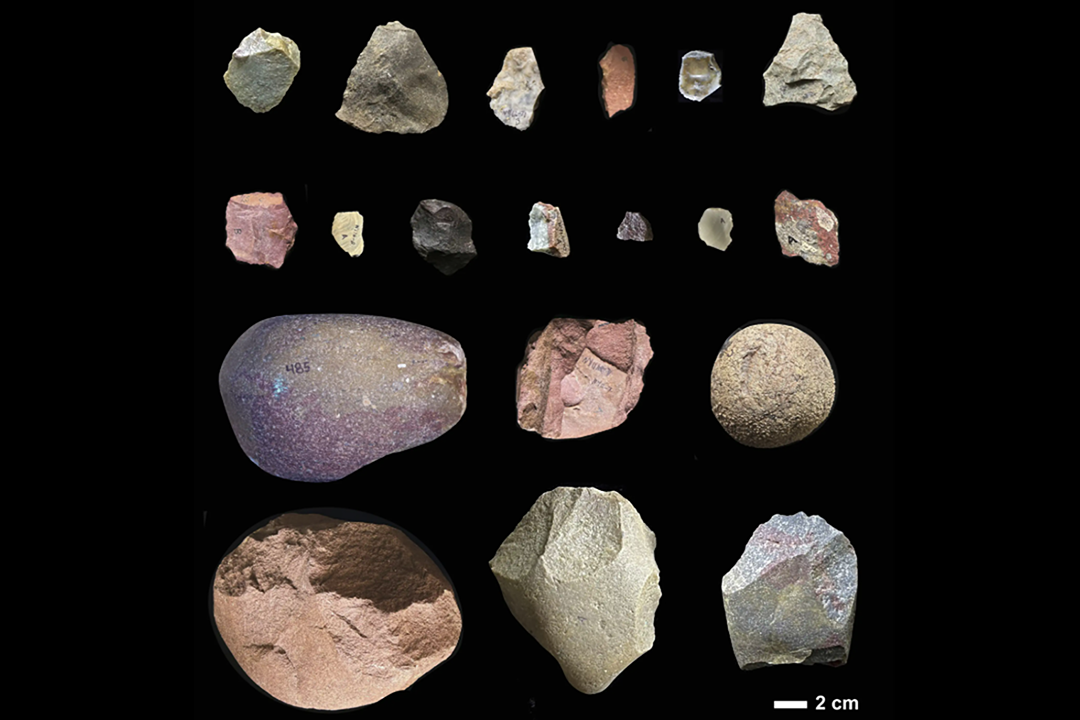 | | Image credit: E.M. Finestone, J.S. Oliver | |
Ancient Humans Hauled Rocks for Miles to Make Stone Tools
Over 2.6 million years ago, ancient humans in Kenya wielded an array of stone tools to pound plant material and carve up large prey. New research co-authored by NMNH anthropologist Rick Potts reveals that humans were transporting resources up to eight miles for toolmaking—600,000 years earlier than previously thought. Click the link below to learn how this discovery marks a major evolutionary milestone, showcasing hominins’ ability to plan ahead and mentally map their environment.
| | |  | | Image credit: Natalie van Hoose | |
Digging Deep: Smithsonian Scientists Unearth Hidden Biodiversity in Florida’s Indian River Lagoon
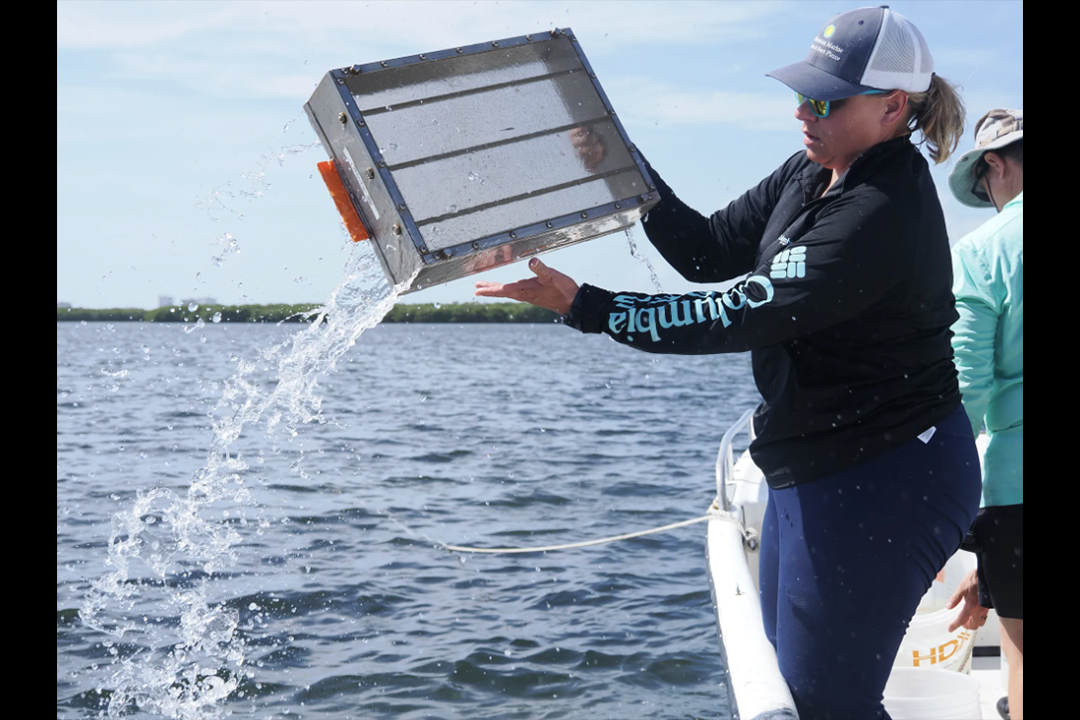
This spring, a team of Smithsonian scientists scoured the muddy sediment at the bottom of Florida’s Indian River Lagoon to reveal a hidden world of microscopic life. Click the link below to learn how the “bioblitz” project is fueling the Smithsonian’s Ocean DNA initiative, helping to build a genetic library to track and protect coastal ecosystems as they change.
| | | | Events and Activities | 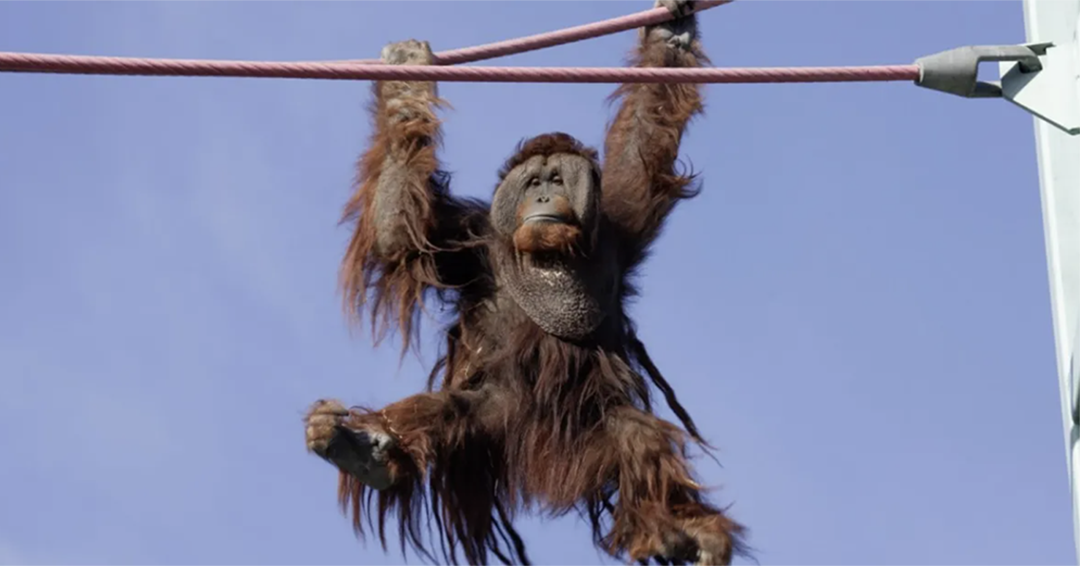 | | Celebrate World Orangutan Day on Tuesday, August 19! Image credit: Smithsonian National Zoo | Here is our latest programming guide. Click here for a full schedule of upcoming public programs and a link to previously scheduled video webinars. For Families Play Dates at NMNH Join us on Tuesdays for special family play dates with museum educators: - Play Date at NMNH: World Orangutan Day
Tuesday, August 19, 10:30 a.m. - 12:00 p.m. ET
Location: The Kenneth E. Behring Family Hall of Mammals, 1st Floor - Play Date at NMNH: Dive into the Deep Sea
Tuesday, August 26, 10:30 a.m. - 12:00 p.m. ET
Location: Explorer Theater in The Sant Ocean Hall, 1st Floor - Play Date at NMNH: Little Beasts
Tuesday, September 2, 10:30 a.m. - 12:00 p.m. ET
Location: Q?rius, The Coralyn W. Whitney Science Education Center, Ground Floor Story Time with Author: "The Atlas Obscura Explorer's Guide to Inventing the World" Join us for a special Story Time with guest author, Jennifer Swanson, who will read from her newest book, "The Atlas Obscura Explorer's Guide to Inventing the World." Come early to explore unique Smithsonian connections to the inventions in the book through play and artmaking. Friday, September 5, 10:00 a.m. - 12:00 p.m. ET
Location: Explorer Theater in The Sant Ocean Hall, 1st Floor
Books will be available for purchase in the Explorer Theater. The World & Me: Little Beasts at the National Gallery of Art Sculpture Garden Come explore artful connections with the flora and fauna around you, paint your own little beast, make observations of specimens from the National Museum of Natural History's education collection, and more! Saturday, September 6, 10:00 a.m. - 2:00 p.m. ET
Location: National Gallery of Art Sculpture Garden, Constitution Ave NW & 7th St NW For Adults A Twist on Ancient Technology: Fiber, String, and More In this webinar moderated by Smithsonian paleoanthropologist Briana Pobiner, Bruce Hardy, Professor of Anthropology at Kenyon College, will examine evidence for the emergence of fiber technology in the Paleolithic and explore the implications of this often neglected but transformative skill. Thursday, September 18, 11:30 a.m. - 12:30 p.m. ET
Location: Online, Internet Connection Required This program is part of the ongoing HOT (Human Origins Today) Topic series and will be presented as a Zoom video webinar. A link will be emailed to all registrants.
| | | | In Case You Missed It | 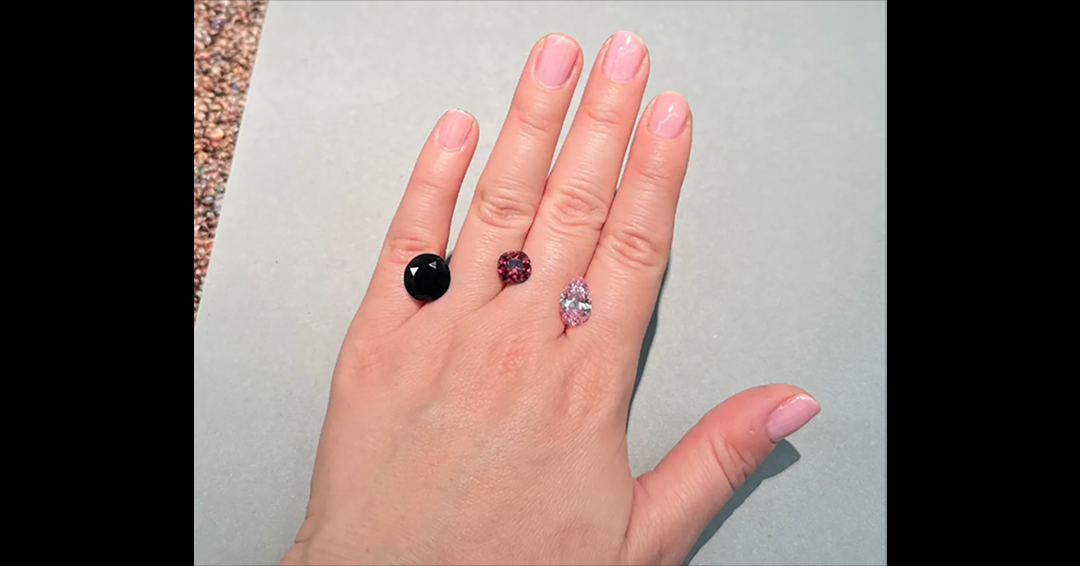 | | Image credit: Gabriela Farfan, NMNH | |
Why Do Diamonds Come in Different Colors?
In NMNH’s Winston Fancy Color Diamond display, visitors can view diamonds in every color of the rainbow, from deep teal to soft peach. But how do diamonds form these brilliant hues? Click the link below to learn about the unique geologic processes that can turn a clear diamond into a “fancy color diamond” from the museum’s Coralyn W. Whitney Curator of Gems and Minerals Gabriela Farfan.
| | | | Support Natural History Today | 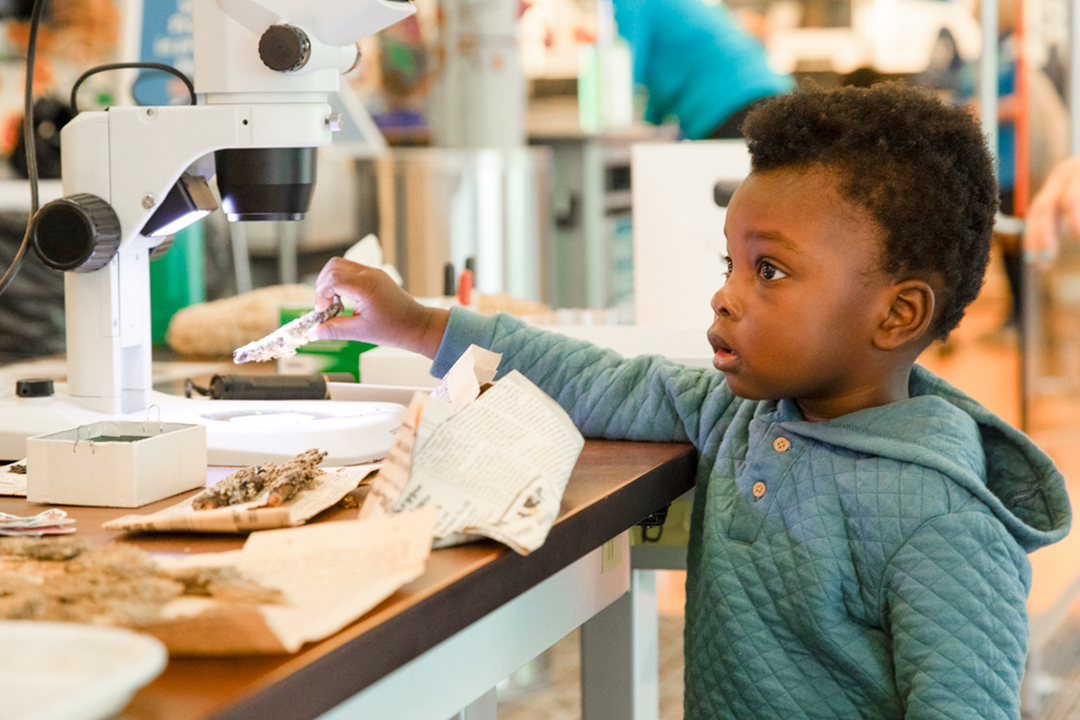 | | Image Credit: Phillip R. Lee, Smithsonian | |
Thank you for your interest in NMNH! Your generosity enables the museum to address the big questions that society faces and our fundamental understanding of how people and nature interact. Click the links below to help us spark curiosity, discovery, and learning about the natural world and our place in it.
| | | | | | | | | | | | | © 2025 Smithsonian National Museum of Natural History 10th St. and Constitution Ave., NW | Washington, DC 20013 Privacy Policy | Unsubscribe | |  |