 | 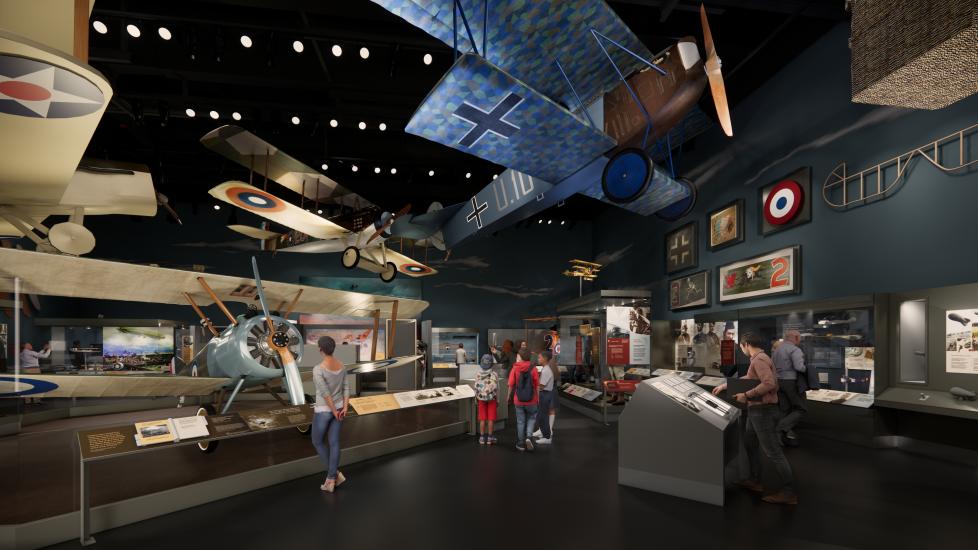 | Gallery Spotlight: World War I: The Birth of Military Aviation | World War I made the airplane — a recent invention — essential in war and peace. The conflict, which raged from 1914 to 1918, laid the foundation for military aviation.
The new World War I: The Birth of Military Aviation exhibition, which opens July 28, will use fascinating artifacts and the distinctive sights and sounds of early combat aircraft to tell the story of how remarkable people adapted the new technology of the airplane to warfare and changed how the world fights and flies.
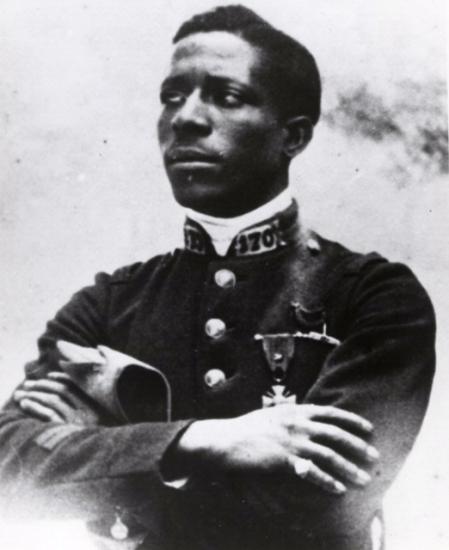
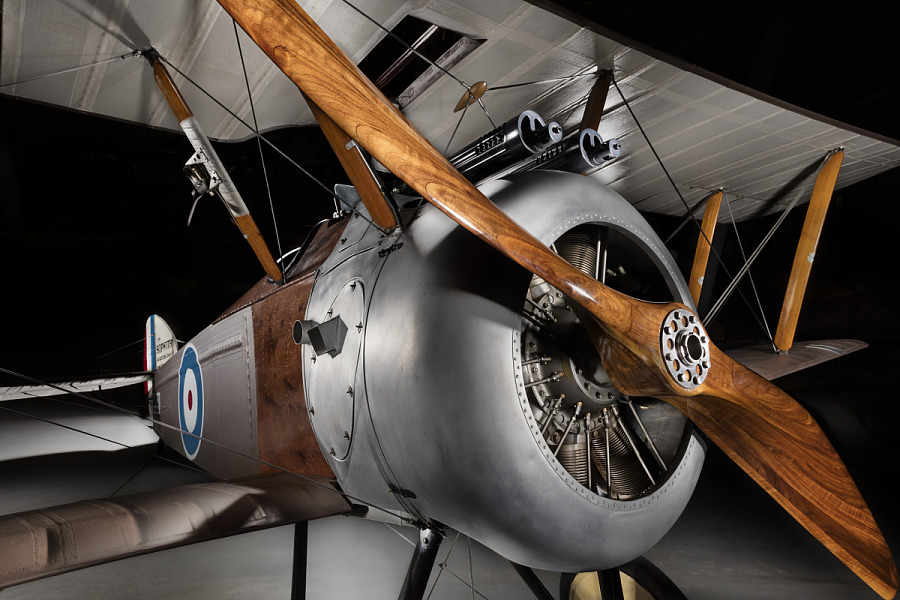
The exhibition is made possible by the generous support of Aramont Charitable Foundation, Kettering Family Philanthropies, and Mark Dunkerley and Marilia Duffles. | | GALLERY HIGHLIGHTS | | The First African American Combat Pilot Eugene Bullard was one of only a few Black combat pilots — and the only African American combat pilot — during World War I, though he never flew for the United States. Due to racial prejudice, the U.S. denied his request to fly for the Army Air Service after the U.S. entered the war, despite having flown 25 combat missions (with two unconfirmed aerial victories) for the French air service. World War I: The Birth of Aviation will tell Bullard’s story, including the display of a bust of Bullard made by artist Eddie Dixon. | | If It's Good Enough for Snoopy... The Sopwith Camel is among the most significant and famous of all World War I aircraft. During WWI, Camels downed 1,294 enemy aircraft, more than any other Allied fighter. (It is also famously the aircraft that Snoopy's WWI Flying Ace flies in the Charlie Brown Halloween special, though we never see the Camel in the program — Snoopy's doghouse is a plane only in his imagination.)
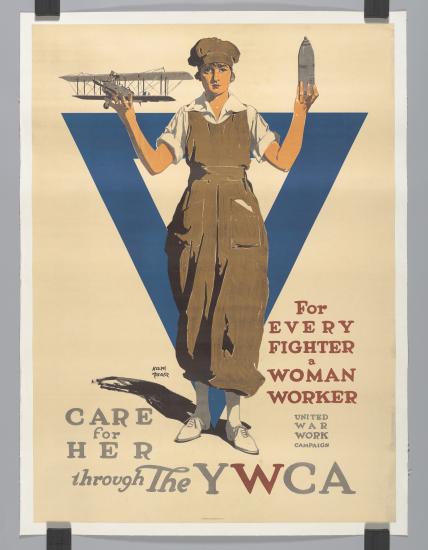
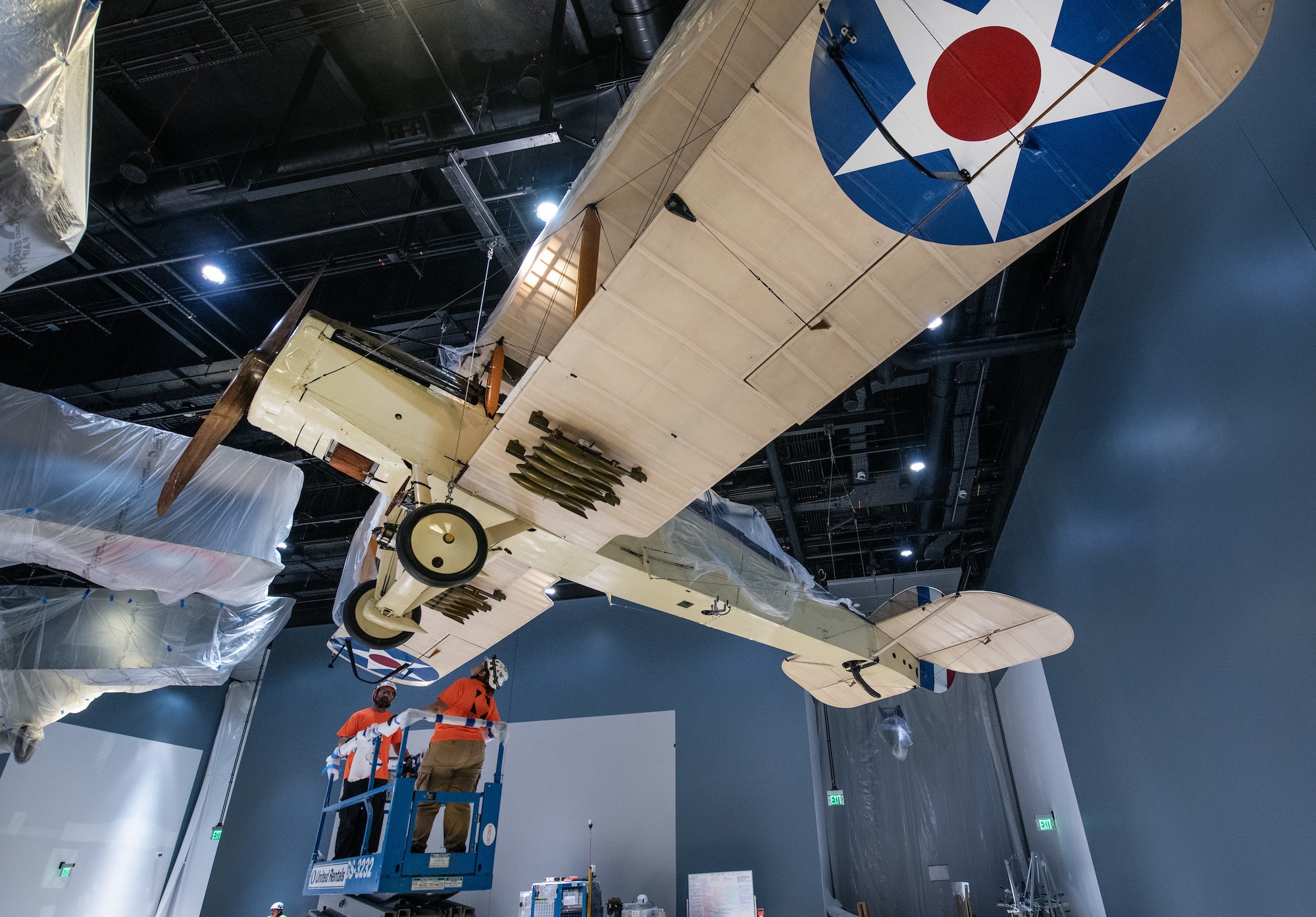
The cowling over the two Vickers machine guns ahead of the cockpit created a distinctive “hump,” making the name Camel a natural choice, although it was never an official military designation. The Museum's Camel, previously on display at the Steven F. Udvar-Hazy Center, goes on display at the Museum in DC for the first time in the World War I exhibition. | | Women of World War I Although women were denied the opportunity to enlist in the military during World War I, they contributed in other ways, especially in and around aviation. Discover how women built aircraft, flew airplanes to recruit and fundraise, and otherwise supported aviation during World War I in the new exhibition and in a new blog. | | Behind-the-Scenes The exhibition will also feature a de Havilland DH-4, an observation and bomber aircraft used by the U.S. in the war. In this behind-the-scenes sneak peek, staff and contractors suspend the aircraft in the gallery. | | | | | |  | | | | | | | | | | National Air and Space Museum
6th St. and Independence Avenue, S.W., Washington, DC 20560
Steven F. Udvar-Hazy Center
14390 Air and Space Museum Parkway, Chantilly, VA 20151 | Contact Us
| Unsubscribe | Privacy Policy | | | | |