The Legacy of Royal Robbins

| | ͏ ͏ ͏ ͏ ͏ ͏ ͏ ͏ ͏ ͏ ͏ ͏ ͏ ͏ ͏ ͏ ͏ ͏ ͏ ͏ ͏ ͏ ͏ ͏ ͏ ͏ ͏ ͏ ͏ ͏ ͏ ͏ ͏ ͏ ͏ ͏ ͏ ͏ ͏ ͏ ͏ ͏ ͏ ͏ | |
| | 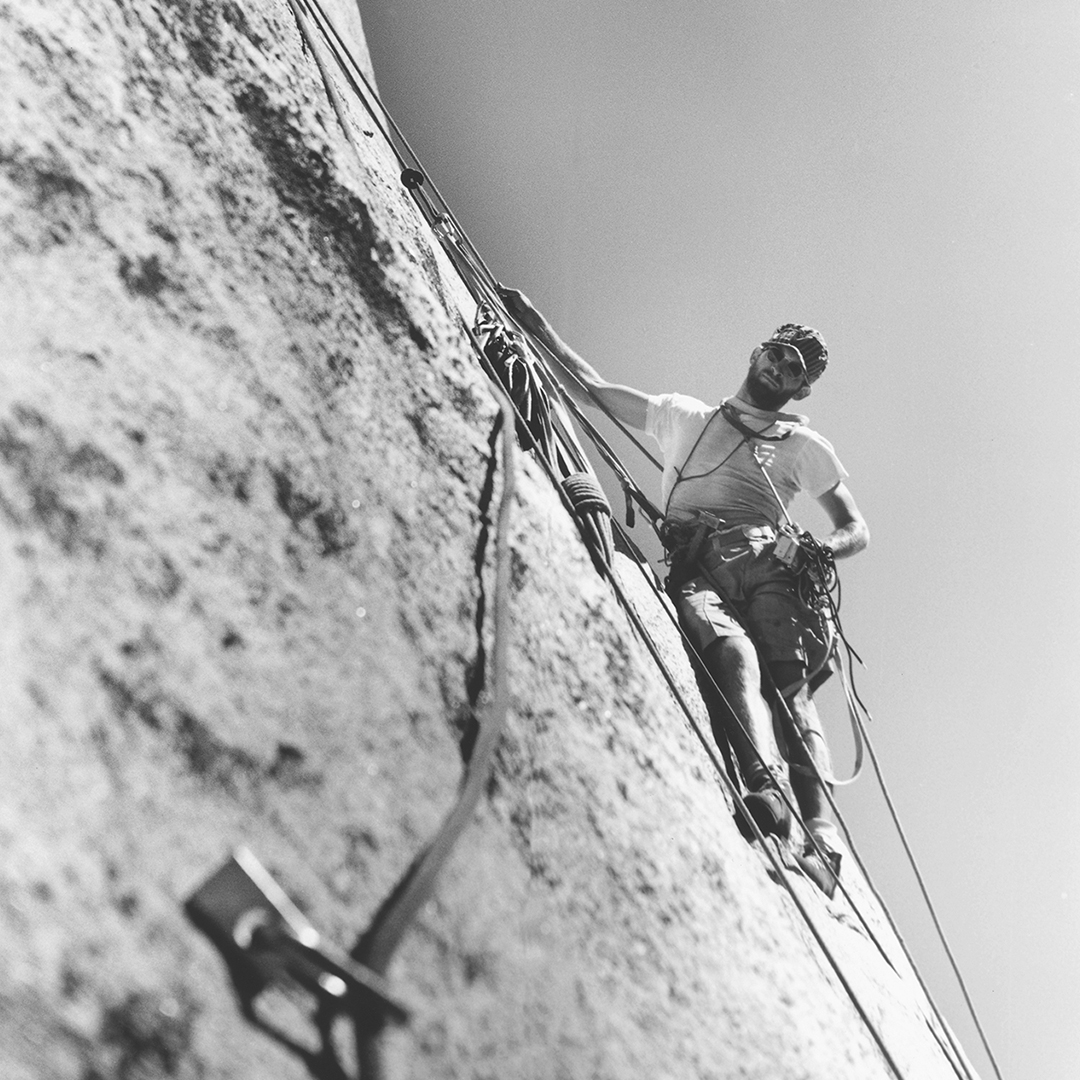 | |
| | Main-copy-CTA Main-copy-CTA-2 | | | | | | | | | | | | | | | | | | | Royal Robbins wasn’t just a climber. He helped define what modern climbing would become. In the 1960s, on the big walls of Yosemite, Royal was at the forefront of a movement that changed the sport forever. His first ascents on El Capitan and Half Dome weren’t only physical achievements—they were statements about style, ethics, and responsibility. At a time when bigger hardware meant more impact, Royal championed clean climbing, advocating for nuts over pitons and techniques that protected the rock for future climbers. He proved that how you climb matters as much as whether you reach the top. His influence went beyond routes. Royal helped establish an ethic of self-reliance, humility, and respect for wild places that still shapes climbing culture today. Adventure, to him, was never about domination. It was about partnership with the natural world—moving through it with skill, restraint, and awareness that the stone would outlast us all. |
| | | | | | | | | | | | |
| | 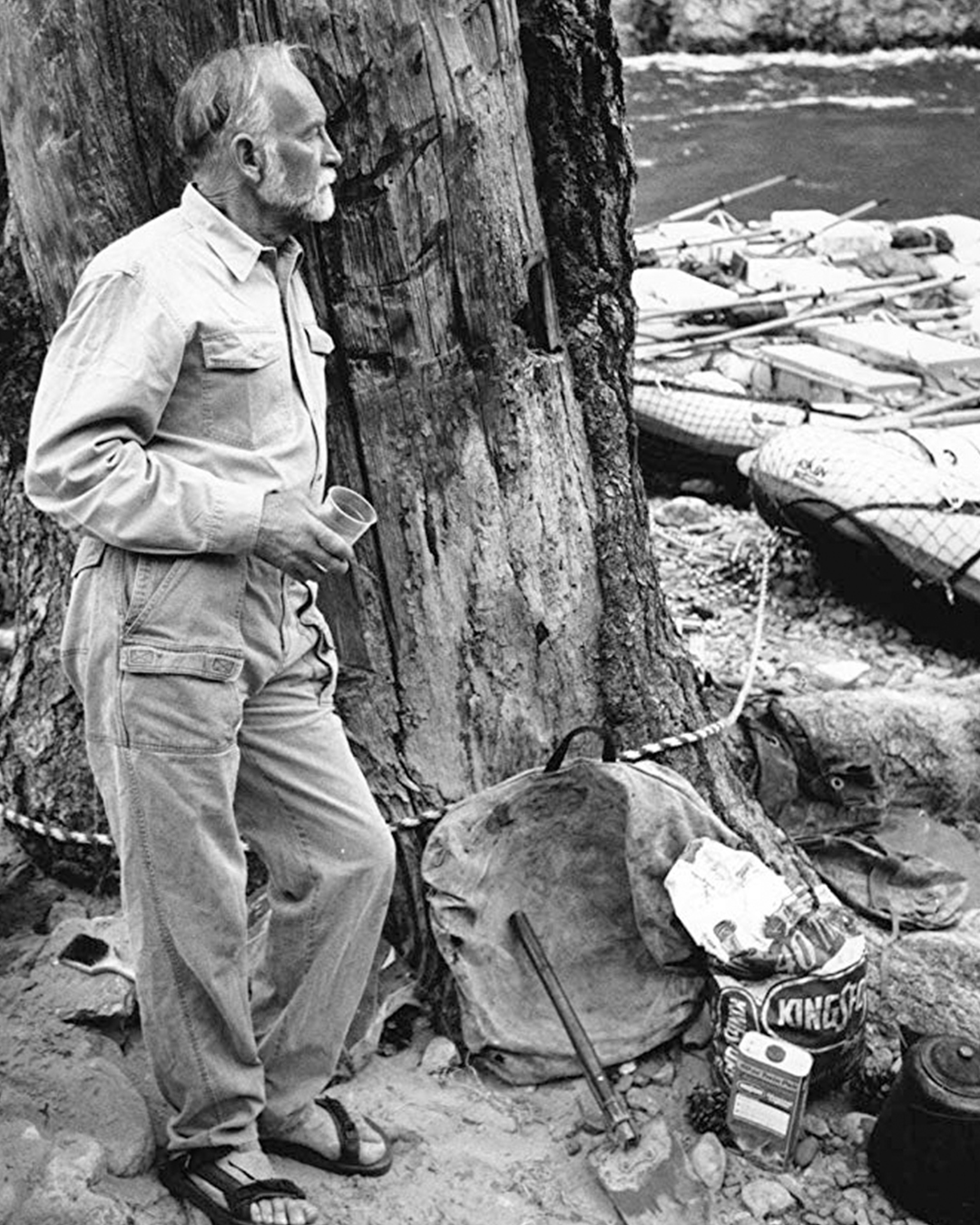 | |
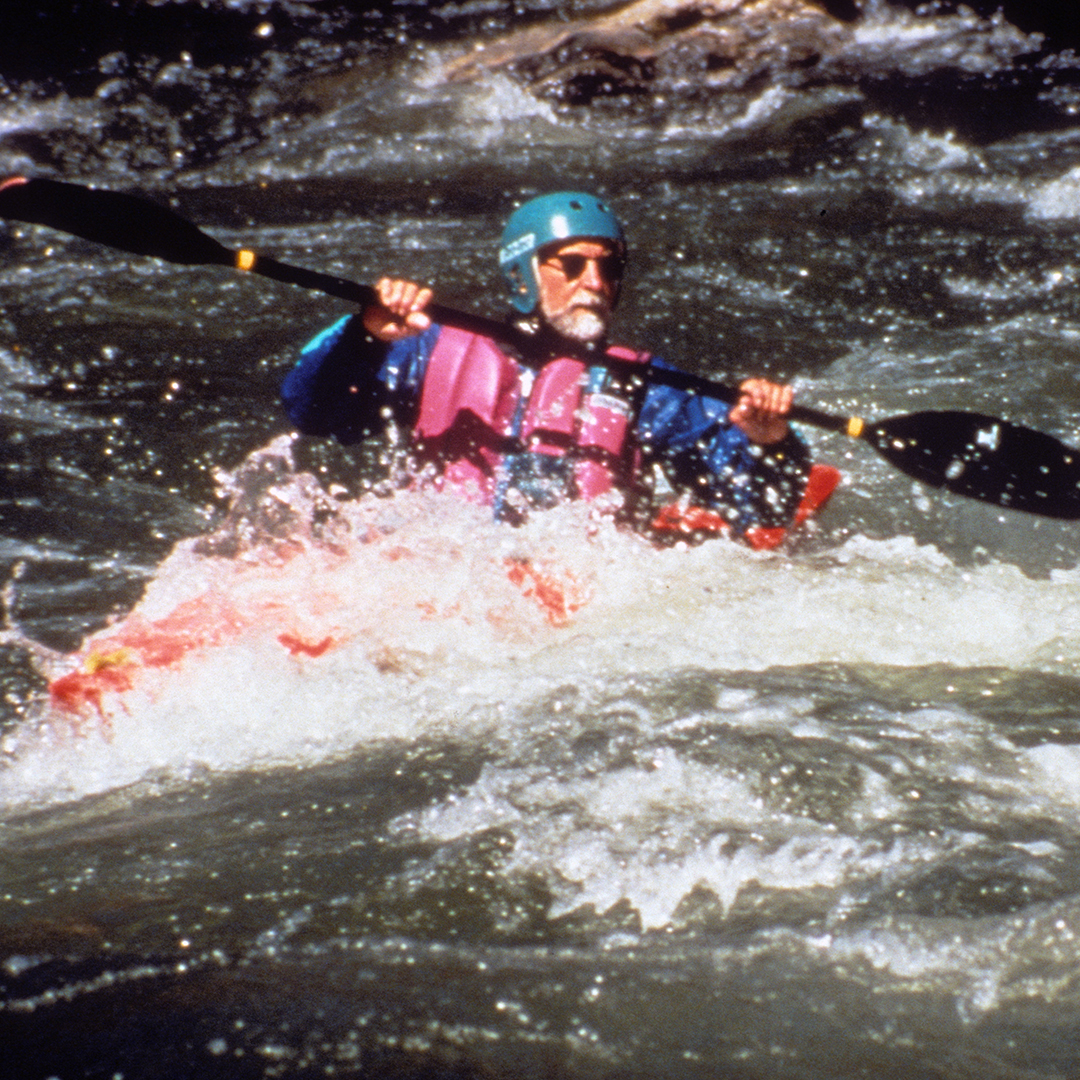
| | Main-copy-CTA Main-copy-CTA-2 | | | | | | | | | | | | | | | | | | | After arthritis made serious climbing harder, Royal shifted his bold curiosity from rock to rivers, bringing his explorer’s mindset to the High Sierra. In the early 1980s he and partners Doug Tompkins and Reg Lake carried their kayaks up high mountain passes—over 13,000‑foot ridges and miles of rough terrain—just to reach wild, unrun canyons. From the deep, cliff‑walled San Joaquin Gorge to the remote Kern Trench and the steep Middle Fork of the Kings, they completed a series of first descents, proving that the call to adventure never fades. |
| | | | | | | | |