
Sabah
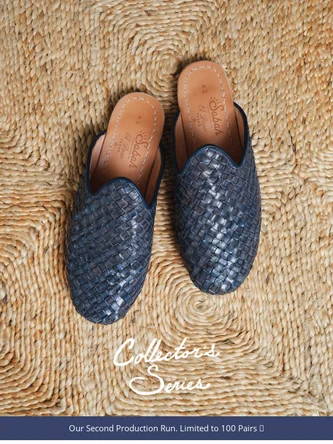
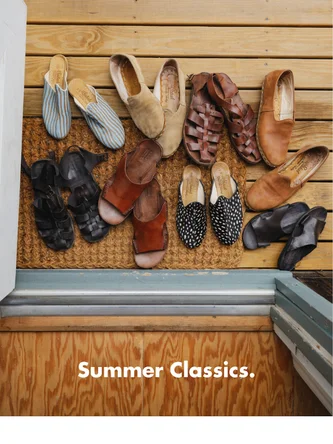
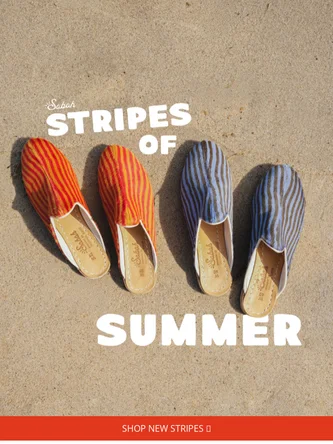
Sabah creates handmade leather shoes inspired by traditional Turkish slippers, crafted one pair at a time by artisans in Gaziantep, Turkey and El Paso, Texas. Founded in 2013, the brand sells directly to customers through their Sabah Houses and online portal.

-
Sabah · Jul 12
-
Sabah · Jul 09
-
Sabah · Jul 07
-
Sabah · Jun 30
-
Sabah · Jun 28
-
Sabah · Jun 23



Sabah customer service
Use any of the convenient means below to contact Sabah customer service.
| Phone | (929) 810-2034 |
| Web | https://www.sabah.am/pages/support |
| [email protected] |

Sabah jobs
Sabah is an independently owned and operated business, run by a collection of passionate individuals who care about what they make and how they serve customers. They take a long term perspective on business and believe deeply that providing great jobs and fulfilling work is essential to success. Most folks on the team started as customers and friends of the brand, and many have been with them since near inception.
View current Sabah jobs
Headquarters
49 Bleecker St #400
New York, NY 10012
(929) 810-2034

Returns
What is the return window?
For an order to be eligible for return or exchange, you must send back your item within 30 days of the delivery date. However, Sabah understands that things can happen, so if you need to request a return outside of the standard window, you can email [email protected] to submit an override request.
Are there any items that are non-returnable?
Sabah happily accepts all returns on new and unworn Sabahs and Babas. Certain items and collections in their marketplace are marked for final sale or have detailed return restrictions. If you have questions about a final sale item or a return restriction, you can email [email protected].
Who pays for return shipping?
For returns from the US and Canada, the online returns portal will provide you with a shipping label that you can print at home and use to ship back your return. Canada-based customers are responsible for return shipping fees in the returns portal. Sabah does not offer free return shipping for customers outside of the United States. International customers are responsible for shipping their return or exchange back at their own cost.
Can I return online purchases in-store?
Yes, you can bring online orders into any Sabah House, Sabah Shop or Pop-up to be exchanged or returned.
How do I start a return online?
To initiate a return via the online portal, you will need the 6-digit order number, shipping zip code, and order email address. This information can be found in the confirmation email you received at the time of purchase. If you're having trouble locating this, you can email [email protected] with your information, and they can help.

Sabah hours
| Sunday | 11:00am - 6:00pm |
| Monday | 11:00am - 7:00pm |
| Tuesday | 11:00am - 7:00pm |
| Wednesday | 11:00am - 7:00pm |
| Thursday | 11:00am - 7:00pm |
| Friday | 11:00am - 7:00pm |
| Saturday | 11:00am - 6:00pm |
Hours may vary by location and be modified due to holidays or events. Be sure to verify the current operating hours for your local Sabah.
Check my Sabah hours
Editor's Take
So here's the thing about Sabah-it's basically the anti-sneaker brand in the best possible way. Started in 2013 by Mickey Ashmore, a former finance guy who fell hard for a pair of Turkish slippers while living in Istanbul, the company has this origin story that feels almost too perfect. Guy gets gifted shoes by his girlfriend's grandmother, moves back to New York, starts throwing weekly parties in his East Village apartment to sell them. Classic.
But what makes Sabah actually interesting isn't the romanticized backstory. It's that they've managed to scale without losing the plot. Every pair is still made entirely by hand using high quality leather, and they sell directly to customers one pair at a time, mostly in-person from their Sabah Houses or via their website they call the "Sabah Portal." Notice how they don't call it a store-it's a "house." That's very intentional.
The shoes themselves are based on a traditional Turkish slipper style that dates back hundreds of years. Ashmore found the best maker in Gaziantep, Turkey-a guy named Orhan whose family had been making this style of shoe since the late 1800s, one of the last traditional shoemakers of his kind. And they're still working with that same family today, though the operation has grown from 5 craftspeople to nearly 70.
Here's where it gets interesting from a business perspective: Sabah now has stores in Austin, Dallas, London, and San Francisco, plus two in New York state-a flagship in the city and an outpost in tony Amagansett. In 2021, they opened a second workshop in El Paso, Texas, which serves as both a production facility and an innovation lab. The price point sits around $170 to $315, which isn't cheap, but the value proposition is pretty clear-these are shoes that mold to your feet over time, can be resoled by any cobbler, and basically get better with age.
The brand has this cult following thing going on. People post their Sabahs all over Instagram (127K followers and counting), Bad Bunny wore a hot pink pair in GQ, and there's this whole community of collectors who own multiple pairs. Part of that is the product-the shoes really are comfortable and versatile. But part of it is the experience. Walk into their Bleecker Street flagship and there's a cocktail bar in the corner. It feels more like visiting a friend's well-appointed living room than shopping.
What's smart is how they've maintained their direct-to-consumer model even as they've grown. No wholesale, no department stores. Just their own locations and website. And they've kept this personal touch-each pair comes with a biography and photo of the craftsperson who made it. That's the kind of detail that sounds gimmicky but actually matters when you're asking people to spend $200+ on slip-on shoes.
The sustainability angle is there too, though they don't beat you over the head with it. They work exclusively with tanneries that are eco-certified by the Leather Working Group, prioritizing natural tannage and leathers that age beautifully. The shoes are designed to last years, not seasons. In an era of fast fashion, that's kind of radical.
Sabah figured out how to take a centuries-old craft, modernize it just enough, and build a business that feels both authentic and scalable. They're not trying to be the biggest-they're trying to be the best at what they do. And judging by the fact that people are still lining up to buy $200 Turkish slippers more than a decade in, they might be onto something.