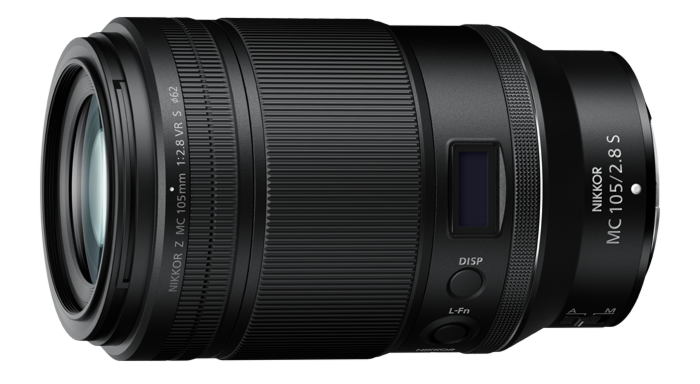
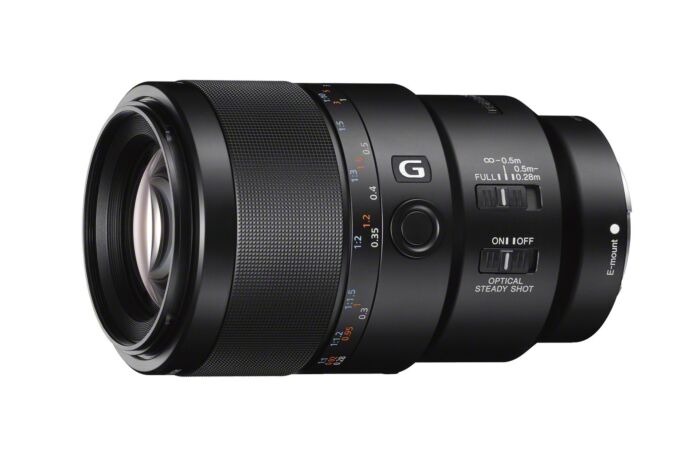
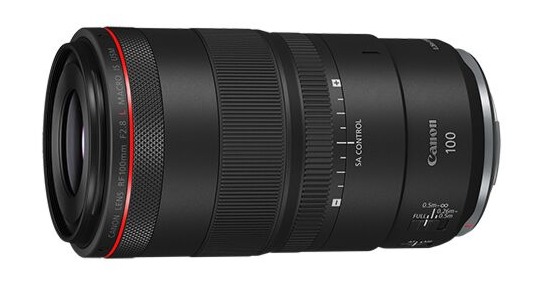
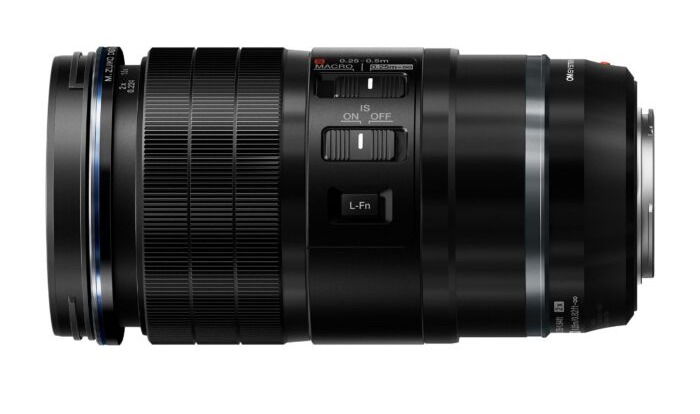
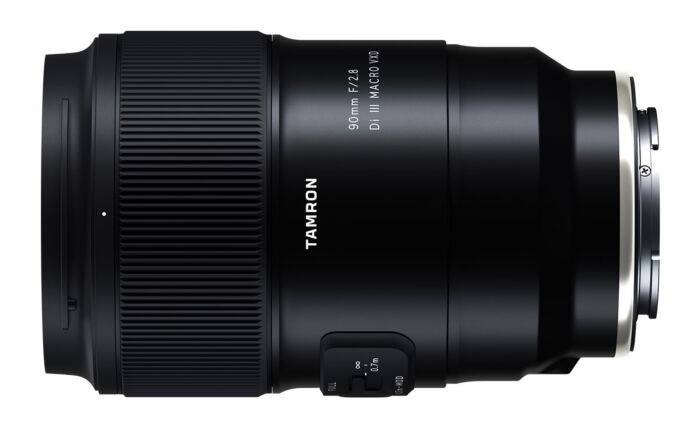
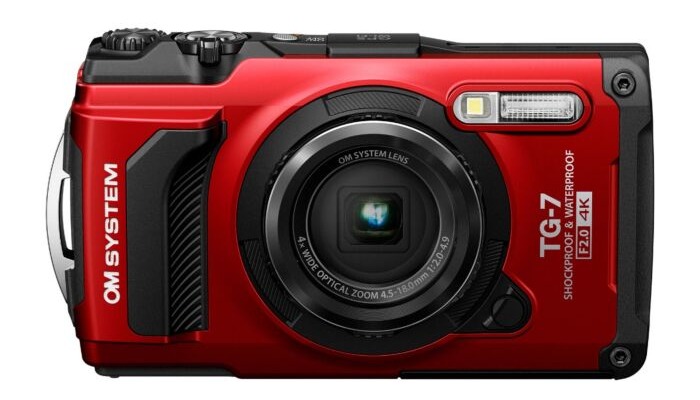
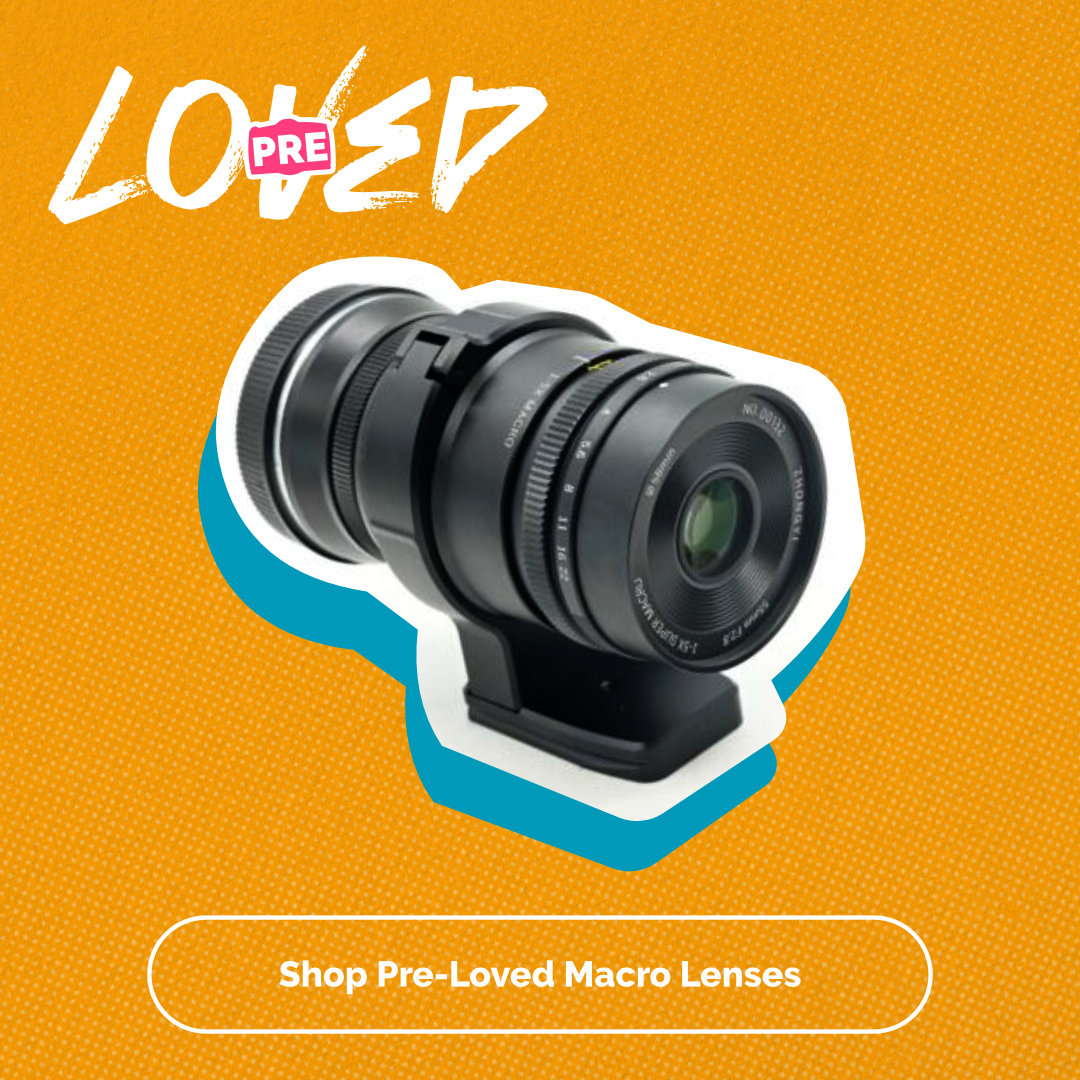
“Macro and close-up photography offer us a unique opportunity to make compelling images without needing to travel to exotic places. You don’t have to travel to make compelling work. Regardless of where we live, incredible scenes are waiting right outside our doors. The subjects are there. You just have to slow down and look closer at the miniature world.” | | - Photograher, and OM SYSTEM Ambassador, Chris McGinnis | | Spring into action with some of our favorite macro Lenses! | | | | NIKON NIKKOR Z MC 105MM F/2.8 VR S | | | SONY FE 90MM F/2.8 G OSS MACRO LENS | | | CANON RF100MM F/2.8 L MACRO IS USM | | | OM SYSTEM M.ZUIKO 90MM F/3.5 MACRO IS PRO | | | TAMRON 90MM F/2.8 DI III MACRO VXD | | | Ready to have all sorts of close-encounters with industry leading macro capabilities, the OM SYSTEM Tough TG-7 is an unstoppable action machine! No matter what you throw at it, it’s gonna roll with the punches and show it's true grit, from the mountain highs to valley lows. Slip, dip, or dive? No problem. The TG-7 can take any purposeful (or accidental) swimming lesson you give it. And not just that - It’s gonna capture every bit of your journey in glorious picture quality. Even the tough bits. | | Singles Vs. Stacking Vs. Bracketing “When I find a subject I’ve never photographed before or I’m nervous it will disappear, I start with single shots,” McGinnis explains. “I shoot from fairly far away to get something on the memory card, then inch closer until I’m composed and close enough. If I reach that point, then I consider in-camera focus stacking, since the focus on a single shot, especially on a macro lens, will fall off and create a shallow depth of field on my subject.” Many cameras offer in-camera focus stacking, which allows you to capture and composite several frames with different focus points automatically - in the camera - delivering a finished image with sharp details throughout your subject. Focus bracketing, either automatically in camera, or achieved manually by setting focus on the front of the subject and take taking a series of shots, shifting the focus back from shot to shot. Then in post-processing, those individual frames are combined.
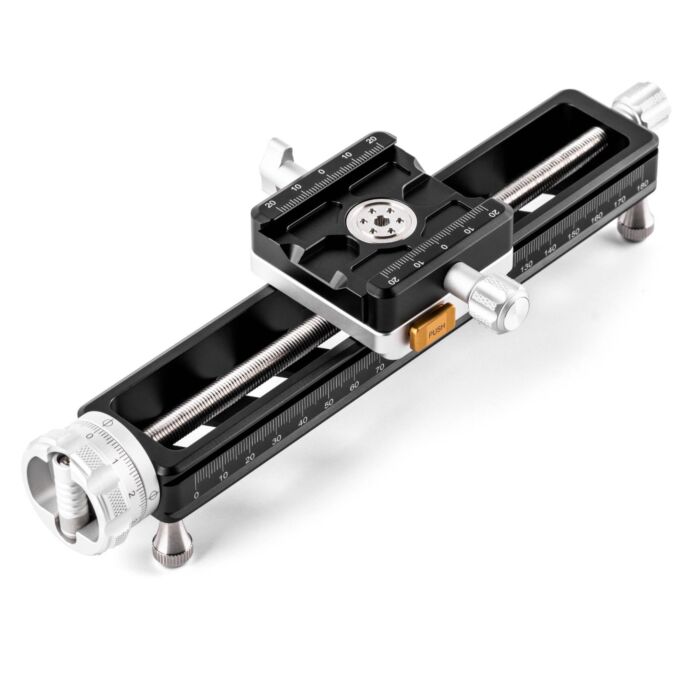
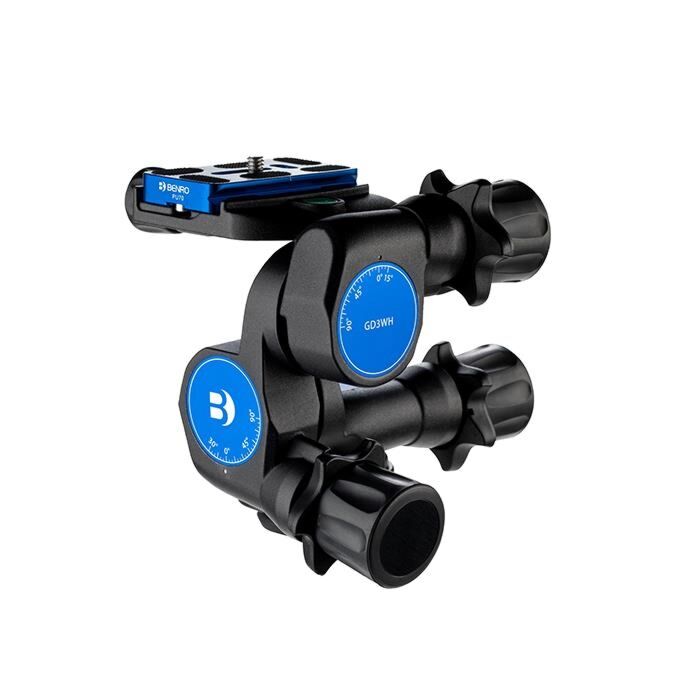
Understanding when to use each focus technique is as important as mastering the techniques themselves. McGinnis approaches every subject with a clear decision framework. | | Whichever approach you take, you'll need your camera to stay completely still throughout. Many cameras offer excellent in-camera stablization, but to really lock it down, you'll probably find yourself wanting a steady tripod too! And for precision adjustments, you may also want to try a focusing rail, or a geared tripod head! | | | | NISI QUICK ADJUSTMENT MACRO FOCUSING RAIL NM-200S WITH 360 DEGREE ROTATING CLAMP | | | BENRO GD3WH 3-WAY GEARED HEAD | | | Flash fundamentally alters what shutter speeds became possible for handheld work: “When I first got a macro lens, I couldn’t figure out how to make the photos jump off the screen like the photographers that I was trying to emulate. My images were good, but the subjects weren’t looking as dynamic as they could have been. I then noticed the macro photographers that I followed all used flash. I’d never shot with a flash before, but I put one on my camera, went out into the field, found this little fly, and took my first flash macro shot. That moment changed everything. I realized a flash was the key to capturing the dramatic look that I’d been missing.” | | - Photograher, and OM SYSTEM Ambassador, Chris McGinnis | | Grab a lens at Rental House and test out your macro skills! | | Let our photo lab turn your images into magical prints that bring your walls to life! | | | | |